
All
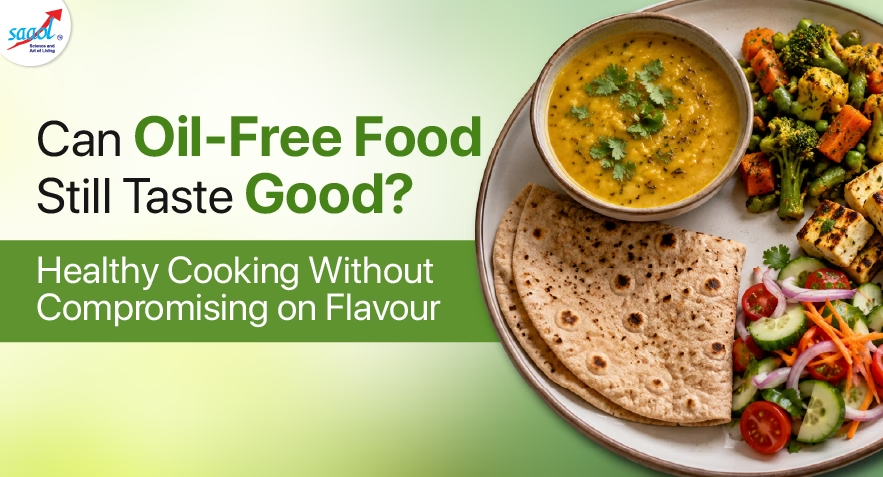
Oil-free Food: Can Your Favourite Meals Still Taste Good?
Yes,cooking without added oil can be one way to reduce calories and saturated fat, particularly when it replaces fried or high-fat foods. However, a heart-healthy diet does not necessarily require eliminating all dietary fat. Fresh ingredients, familiar spices and simple cooking methods can help you prepare delicious meals without added oil, while a balanced meal plan provides the nutrients your body needs.
But if you have always started cooking with oil in a pan, the change may feel difficult. Will your dal taste comforting? Will your sabzi turn out dry? Will your family enjoy the same meals?
You do not have to replace everything you love with plain, boiled food. This blog explains how to prepare oil-free food, build flavour and understand its place in SAAOL Heartcare’s approach to heart health.
What Does Oil-Free Food Actually Mean?
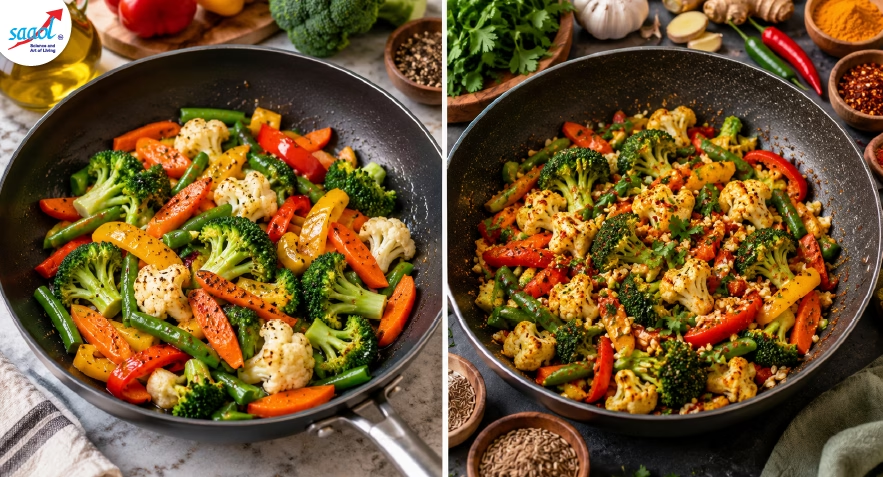
Oil-free food means food prepared without adding cooking oil. In SAAOL’s zero-oil approach, this also means avoiding added ghee, butter and vanaspati.
Instead, you cook with water, steam or the moisture naturally present in ingredients such as tomatoes and vegetables.
You can adapt many everyday dishes, including:
- Dal and sambar.
- Vegetable curries and khichdi.
- Moong dal chilla and steamed dhokla.
- Chana chaat and vegetable soups.
However, no added oil does not mean no dietary fat. Some foods naturally contain fat, and your body still needs essential fats, fats it cannot make itself.
The NHS explains that dietary fat also helps your body absorb vitamins A, D and E. A properly planned zero-oil diet should meet these needs rather than remove every source of fat.
What Does Oil Really Add to Your Food?
We often start cooking by adding oil to the pan. But what does it do, and can we cook without it?
The Good: A Crispy, Golden Texture
Oil gives fried food a crispy outside and a golden colour. But you can enjoy a crisp texture without added oil too.
Baking, air-frying and roasting can make suitable foods crisp and lightly browned, although the result may differ from deep-frying.
The Bad: When Oil Becomes a Concern
- Extra calories: Oil provides 9 calories per gram, so even a small amount can add significant calories to a meal.
- Weight gain: Excess oil can contribute to weight gain when your total calorie intake exceeds what your body uses.
- Higher bad cholesterol: Too much saturated fat from oils such as coconut and palm oil can raise LDL cholesterol, increasing heart-disease risk.
- Harmful trans fats: According to WHO, partially hydrogenated oils can contain trans fats, which raise bad cholesterol and lower good cholesterol.
- Damage from repeated heating: Reusing oil for frying allows chemical breakdown products to build up, making the oil unsuitable for cooking, says FSSAI.
- More fat in fried food: Food absorbs oil during deep-frying, increasing its fat and calorie content, according to PMC.
- Acidity in some people: Oily, high-fat meals may trigger acid reflux—a burning feeling caused by stomach contents rising into the food pipe.
Can Food Without Oil Support Heart Health?
Yes, food without added oil can support heart health when it is part of a balanced diet, especially when it replaces fried or heavily oily meals.
The ingredients still matter. The American Heart Association recommends replacing saturated fats from foods such as ghee, butter and cream with unsaturated fats from suitable foods such as nuts, seeds and fish.
A 2020 Cochrane review involving over 56,000 adults found that reducing saturated fat lowered the combined risk of heart and blood-vessel events.
Also, every individual must follow a heart-healthy diet after bypass surgery or any other cardiac event for the rest of their life.
Why Is Oil-free Food an Important Part of SAAOL’s Heart-Care Programme?
At SAAOL Heartcare , zero-oil cooking is a key part of its heart-disease reversal programme. It helps reduce added calories and, when it replaces ghee, butter or saturated-fat-rich meals, can support cholesterol control.
The connection starts with LDL, or bad cholesterol. LDL particles can enter artery walls and contribute to plaque, the fatty buildup that narrows arteries. Lowering LDL helps slow this buildup and makes existing plaque more stable, meaning less likely to break open and trigger a clot. In some patients, sustained LDL lowering through prescribed treatment and dietary changes can also reduce plaque over time.
A 2024 analysis published in JAMA Cardiology found greater plaque reduction and changes towards more stable plaque when an additional cholesterol-lowering medicine was combined with statin treatment.
Your doctor must assess your condition, monitor progress and decide which treatments you need. Continue prescribed medicines and follow-up appointments while making dietary changes.
How Do You Make Recipes Without Oil Taste Good?
Flavour comes from the whole dish: its aroma, tang, seasoning and texture. Build these gradually instead of simply removing oil from your usual recipe.
Start with a well-cooked base
Give onions, tomatoes, ginger and garlic time to soften with small splashes of water. Add ground spices to the moist mixture so they do not burn.
Add aroma and freshness
Gently dry-toast cumin or coriander seeds until fragrant, then grind them. Finish dishes with fresh coriander, mint or curry leaves.
Use tang and thickness
Lemon, amchur and tamarind can brighten the flavour. Blended cooked dal can thicken a gravy, while plain low-fat curd may suit some recipes.
Avoid compensating with extra salt, pickles or bottled sauces. WHO recommends less than 5 grams of salt daily for adults, including salt already present in food.
Often, a little lemon and fresh herbs make a dish more enjoyable without another spoonful of salt.
Which Zero Oil Cooking Recipes Are Easy to Start With?
Start with familiar dishes that use steam, water or the moisture in their ingredients. They need simple cooking methods, making them easier to prepare without added oil.
- Tomato moong dal
- Vegetable moong chilla
- Chana chaat
- Vegetable khichdi
- Steamed dhokla without an oily topping
- Boiled corn with lemon
- Dry-roasted makhana
The Bottom Line
Your food can support your health and still give you something to look forward to. For guidance on adapting your meals to your heart health, preferences and routine, book a consultation at SAAOL Heartcare Delhi.
FAQs
Q1. Can I cook eggs without oil?
Yes. Boiling and poaching require no added oil. A suitable nonstick pan can also work for scrambled eggs. Follow the portion and frequency recommended in your individual dietary plan.
Q2. Does cooking spray count as oil-free cooking?
No. Cooking spray still adds oil, even when the quantity is small. Check the ingredient list rather than assuming that “light” or “low-calorie” means oil-free.
Q3. Can I bake cakes without oil?
Yes, some recipes use mashed banana, apple purée or yoghurt for moisture. Choose a recipe designed for these substitutions. Sugar content and portion size still matter.
Q4. Can people with diabetes eat oil-free rice or potatoes?
Yes, these foods may fit a personalised diabetes meal plan. Removing oil does not remove carbohydrates, which affect blood sugar. Portion size and the rest of the meal remain important.
Q5. Do I need an air fryer for cooking without oil?
No. A pressure cooker, steamer, saucepan and suitable frying pan can handle many recipes. Begin with simple meals before deciding whether extra equipment would be useful.
Q6. Is packaged oil-free food always healthy?
No. It may still contain excess salt, sugar or other fats. Check the ingredients, nutrition information and serving size rather than relying on the front label.
Q7. Will eating oil-free food guarantee weight loss?
No. Weight changes depend on overall food intake and energy use. Removing added oil may reduce calories, but large portions and calorie-rich snacks can offset that reduction.
Disclaimer: This article provides general health information and does not replace individual medical advice. Consult your doctor or a qualified dietitian before making major dietary changes. Continue prescribed medicines unless your doctor advises otherwise.
Book Appointment


In This Article
- What Does Oil-Free Food Actually Mean?
- What Does Oil Really Add to Your Food?
- The Good: A Crispy, Golden Texture
- The Bad: When Oil Becomes a Concern
- Can Food Without Oil Support Heart Health?
- Why Is Oil-free Food an Important Part of SAAOL’s Heart-Care Programme?
- How Do You Make Recipes Without Oil Taste Good?
- Start with a well-cooked base
- Add aroma and freshness
- Use tang and thickness
- Which Zero Oil Cooking Recipes Are Easy to Start With?
- The Bottom Line
- FAQs
- Q1. Can I cook eggs without oil?
- Q2. Does cooking spray count as oil-free cooking?
- Q3. Can I bake cakes without oil?
- Q4. Can people with diabetes eat oil-free rice or potatoes?
- Q5. Do I need an air fryer for cooking without oil?
- Q6. Is packaged oil-free food always healthy?
- Q7. Will eating oil-free food guarantee weight loss?
×
Request for a Call Back
Thank You! We'll get back to you shortly.