
All
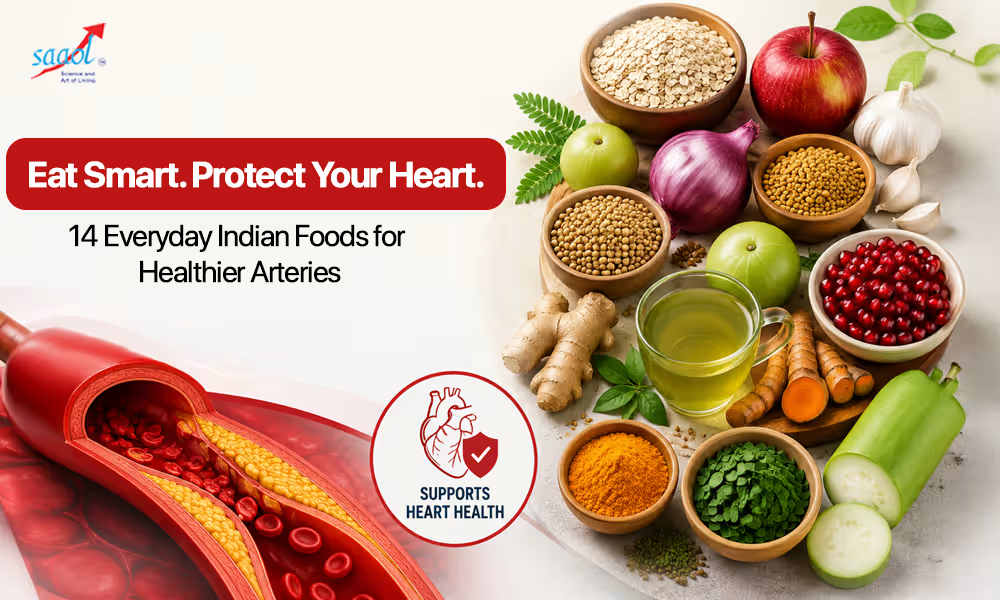
14 Indian Foods That Help Clean Arteries
While no food can “clean” arteries overnight, many everyday Indian foods can support healthier arteries over time. Garlic, oats, apples, methi, amla, pomegranate, turmeric, and green tea are rich in fibre, antioxidants, and other beneficial plant compounds that may help lower LDL (bad) cholesterol, reduce inflammation, protect blood vessels, and slow plaque buildup. Combined with a balanced diet and healthy lifestyle, these foods can help lower your risk of heart disease. althy lifestyle can help reduce your risk of heart disease and support healthier blood vessels.
Our arteries don’t get blocked overnight, and they don’t become healthy overnight either.
Every meal you eat is quietly pushing your heart in one of two directions, either contributing to cholesterol and plaque buildup or helping slow that process.
If you’ve recently been told you have high cholesterol, have a family history of heart disease, or simply want to protect your heart, the good news is that you don’t need expensive supplements or exotic “superfoods.” Some of the most effective heart-friendly foods are already in your kitchen.
In this guide, we’ll explore 14 Indian foods that help clean arteries naturally, the science behind them, and simple ways to include them in your everyday meals.
What Does “Cleaning Your Arteries” Actually Mean?
When people hear the phrase “cleaning your arteries,” it’s easy to imagine plaque simply melting away.
Unfortunately, that’s not how the body works.
What healthy foods can do is something even more important. They-
- Lower LDL (bad) cholesterol
- Raise HDL (good) cholesterol
- Reduce inflammation inside the artery walls
- Improve how well blood vessels relax and expand
Over time, these changes can slow the growth of plaque, stabilize softer plaque that’s already there, and in some people with early-stage heart disease, even support partial regression when combined with the right lifestyle changes.
That’s why the American Heart Association and leading cardiac organizations like SAAOL Heartcare, Delhi don’t talk about “artery cleansing.” Instead, they focus on reducing cardiovascular risk through consistent, long-term lifestyle habits.
Think of it this way. Your arteries don’t need a quick cleanse. They need the right environment to heal.
How Plaque Quietly Builds Up in Your Arteries
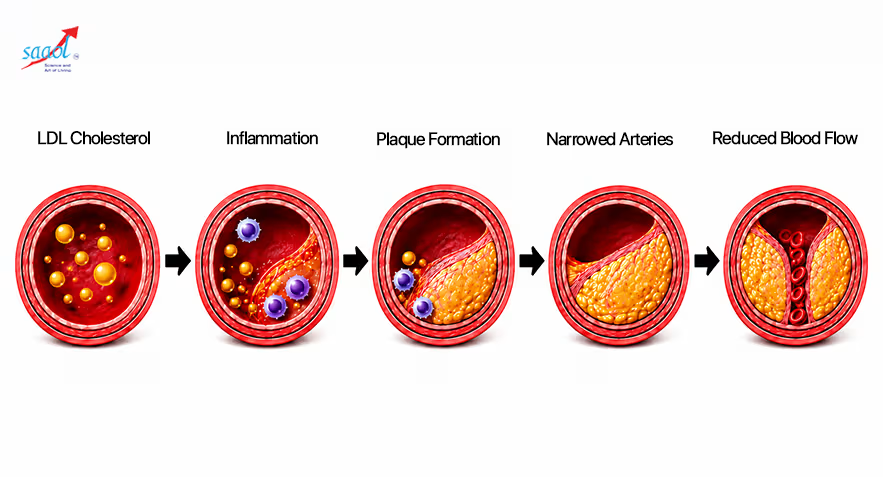
Heart blockages don’t appear suddenly. They develop slowly, often over many years, without causing any warning signs.
This is how it happens:
- It usually begins when LDL cholesterol enters the inner lining of your arteries.
- As this cholesterol builds up, your immune system responds, triggering inflammation.
- Over time, cholesterol, fat, calcium, and inflammatory cells combine to form plaque along the artery wall.
In the early stages, you probably won’t notice anything at all. That’s why many people discover they have heart disease only after an abnormal cholesterol report, an angiography, or symptoms like chest pain or breathlessness begin to appear.
This is exactly why SAAOL emphasises catching the role of cholesterol in heart health early, through blood work, rather than waiting for chest pain.
The earlier you act, the more opportunity you give your heart to protect itself.
Can Food Really Remove Plaque, or Does It Just Stop New Plaques From Forming?
This is one of the most common questions people ask.
Can food actually remove plaque that’s already there?
The honest answer is: both. But only to a certain extent.
Most heart-healthy foods don’t work by “scraping” plaque off your artery walls. Instead, they help your body create conditions where further damage slows down.
Think of your artery wall like a wound.
Every time you eat a diet high in fried foods, processed foods, excess sugar, or unhealthy fats, that wound is irritated again.
But when you consistently eat foods that support heart health, you’re giving your body a chance to repair and protect those blood vessels instead of constantly damaging them.
That’s why no single food changes everything. It’s what you eat every day that makes the real difference.
How Do You Start Eating for Artery Health? (Step-by-Step)
Here’s where we recommend you start.
Step 1: Cut Hidden Oil Before You Add Anything
But before adding anything new to your plate, it’s important to remove what’s causing the most damage.
For many Indian families, that’s excess cooking oil.
That’s because lowering excess fat intake can have a much bigger impact than simply adding one or two so-called superfoods.
You’re consuming far more oil than your heart actually needs through tadkas, parathas, curries, snacks, restaurant food, and even foods labelled as “healthy.” They aren’t harmless in daily bulk. Even healthy cooking oils can work against your heart.
SAAOL’s own patient data shows this is often the single biggest lever, which is why oil-free cooking is step one, not step five, in any real plan.
Once you’ve reduced the daily burden on your arteries, your body is in a much better position to benefit from the healthy foods you eat.
Step 2: Build Your Plate Around Four Heart-Healthy Food Groups
Now it’s time to add foods that actively support your heart.
Instead of focusing on one miracle ingredient, try including foods from these four groups throughout your day:
- Soluble fibre-rich foods like oats, dalia and apples, which help lower LDL cholesterol.
- Allium vegetables like garlic and onion, known for supporting healthy blood vessels.
- Traditional Indian seeds such as methi and coriander seeds, which have long been used to support cholesterol management.
- Antioxidant-rich fruits like amla, pomegranate and berries that help protect your artery walls from ongoing damage.
You don’t need to eat all of them in every meal.
The goal is simple: include a variety of these foods regularly so your heart benefits from the different ways they work together.
14 Indian Foods That Help Clean Arteries Naturally
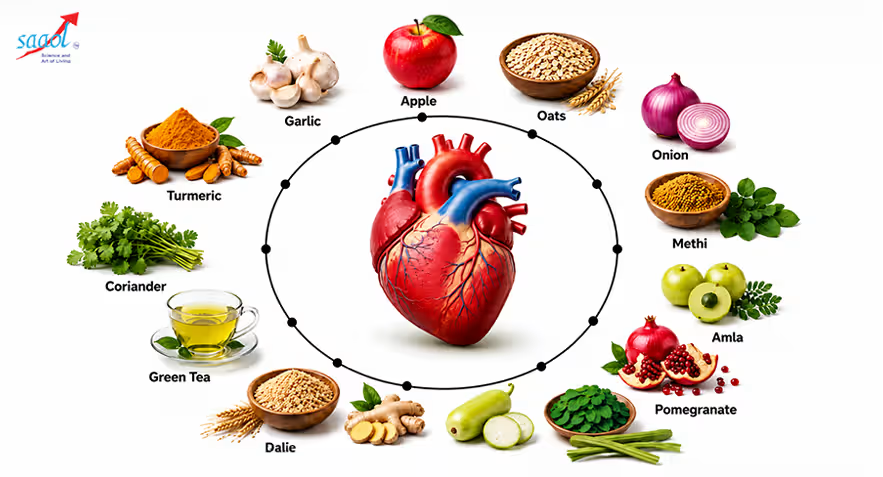
Before we begin, remember this: no single food can “clean” your arteries overnight. But eating these foods regularly can help lower LDL cholesterol, reduce inflammation, and support healthier blood vessels over time.
1. Garlic
Garlic is one of the most researched foods for heart health. It contains allicin, a natural compound that may help lower LDL (bad cholesterol), relax blood vessels, and improve circulation. Crush one clove and let it rest for 10 minutes before cooking to preserve more of its beneficial compounds.
2. Onion
Onions are rich in quercetin, an antioxidant that helps protect LDL cholesterol from oxidation, a key step in plaque formation. Adding half to one onion a day, either raw or lightly cooked, is an easy way to support heart health.
3. Methi (Fenugreek)
Methi seeds are high in soluble fibre, which binds to cholesterol in the gut and reduces its absorption into the bloodstream. Soak one teaspoon overnight and eat it the next morning for the best results.
4. Amla
Amla is packed with vitamin C and antioxidants that help protect your artery walls from damage. One fresh amla or a small glass of unsweetened amla juice each day can easily fit into a heart-friendly diet.
5. Coriander Seeds
Coriander seeds have long been used in Indian households to support healthy cholesterol levels. They may also help support kidney function, which indirectly benefits blood pressure. Boil one teaspoon of seeds in water, strain, and drink once cooled.
6. Apples
An apple a day may actually benefit your heart. Apples are rich in pectin, a soluble fibre that helps lower cholesterol, while their polyphenols protect the lining of your arteries. Eat them with the skin on to get the maximum benefit.
7. Oats
Oats are one of the best foods for lowering LDL cholesterol because they’re rich in beta-glucan, a type of soluble fibre backed by strong scientific evidence. A bowl of oats for breakfast is a simple heart-healthy swap.
8. Dalia (Broken Wheat)
If oats aren’t your favourite, dalia is another excellent option. It’s high in fibre, keeps you full for longer, and supports healthy cholesterol levels. Vegetable dalia makes an easy and satisfying breakfast.
9. Turmeric
Turmeric contains curcumin, a powerful antioxidant that helps reduce inflammation and protect artery walls. Pair it with a pinch of black pepper to help your body absorb more of its benefits.
10. Ginger
Ginger supports healthy blood circulation and has natural anti-inflammatory properties. Whether added to tea, dal, or vegetables, a small piece of fresh ginger each day is an easy habit to build.
11. Pomegranate
Pomegranate is loaded with antioxidants called punicalagins, which help reduce oxidative stress and improve blood flow. Half a fruit or a small glass of fresh juice is enough to support heart health.
12. Green Tea
Green tea contains catechins, antioxidants that help keep blood vessels healthy and improve endothelial function. Drinking one or two cups a day without sugar offers the greatest benefit.
13. Moringa (Drumstick Leaves)
Moringa leaves are rich in antioxidants, fibre, and essential nutrients that may help support healthy cholesterol levels. They’re easy to include in dal, soups, or vegetable dishes.
14. Bottle Gourd (Lauki)
Bottle gourd is naturally low in calories and high in fibre and potassium, making it an excellent choice for heart health. It’s also a staple in SAAOL’s Zero-Oil recipes because it cooks well without added oil.
Summary table
| Food | Key Nutrient | Heart Benefit | Recommended Daily Intake |
|---|---|---|---|
| Garlic | Allicin | May help lower LDL cholesterol, improve circulation, and relax blood vessels. | 1 clove |
| Methi Seeds | Soluble Fibre | Helps protect LDL from oxidation and supports healthy arteries. | 1 tsp soaked seeds |
| Onion | Quercetin | Reduces cholesterol absorption and supports healthy cholesterol levels. | ½–1 medium onion |
| Amla | Vitamin C & Antioxidants | Protects artery walls and reduces oxidative stress. | 1 fresh amla or 30–50 ml unsweetened juice |
| Coriander Seeds | Antioxidants & Plant Compounds | May support healthy cholesterol and blood pressure. | 1 tsp seeds (boiled in water) |
| Apple | Pectin & Polyphenols | Helps lower LDL cholesterol and supports artery health. | 1 medium apple (with skin) |
| Oats | Beta-glucan (Soluble Fibre) | Lowers LDL cholesterol and supports heart health. | 1 bowl (40–50 g dry oats) |
| Dalia (Broken Wheat) | Dietary Fibre | Supports healthy cholesterol and improves satiety. | 1 bowl cooked |
| Turmeric | Curcumin | Reduces inflammation and protects blood vessels. | ½–1 tsp turmeric powder |
| Ginger | Gingerol | Supports blood circulation and helps reduce inflammation. | 1–2 inch fresh ginger piece |
| Pomegranate | Punicalagins & Antioxidants | Improves blood flow and reduces oxidative stress. | ½ fruit or 150 ml fresh juice (unsweetened) |
| Green Tea | Catechins | Supports blood vessel function and provides antioxidants. | 1–2 cups (without sugar) |
| Moringa (Drumstick Leaves) | Fibre, Antioxidants & Vitamins | May support healthy cholesterol and overall heart health. | ½–1 cup cooked leaves |
| Bottle Gourd (Lauki) | Fibre & Potassium | Supports blood pressure, heart health, and weight management. | 1 bowl cooked |
Foods That Can Harm Your Arteries
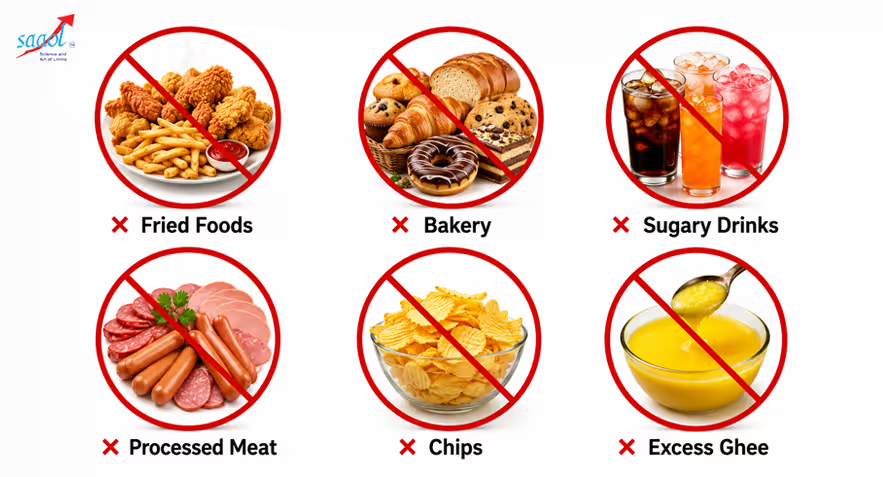
Knowing what to avoid is just as important as knowing what to eat. Foods high in unhealthy fats, refined carbohydrates, excess sugar, and sodium can raise LDL cholesterol, increase inflammation, and speed up plaque buildup over time.
Limit these foods as much as possible:
- Deep-fried foods such as samosas, pakoras, fries, and chips
- Processed and packaged foods including biscuits, instant noodles, processed meats, and bakery products
- Sugary foods and drinks such as sweets, desserts, soft drinks, and packaged fruit juices
- Foods high in saturated fat including excess ghee, butter, cream, fatty meats, and full-fat dairy
- Restaurant and fast foods, which are often high in oil, salt, and unhealthy fats
At SAAOL, one of the first dietary changes we recommend is stopping excess cooking oil and highly processed foods before focusing on adding heart-healthy foods. Removing what’s harming your arteries allows the healthy foods on your plate to work more effectively.
When Should You Stop Relying on Diet Alone and See a Doctor?
Warning Signs Diet Can’t Fix
If you experience any of the following symptoms, don’t rely on diet changes alone. Seek medical evaluation promptly:
- Chest tightness or discomfort during physical activity
- Shortness of breath while climbing stairs or doing activities you previously managed easily
- Unexplained fatigue or a noticeable drop in your energy levels
What Comes After Diet
If a lipid profile or angiography already shows blockage, food changes work best alongside a structured, non-surgical treatment like EECP therapy, which SAAOL uses to improve blood flow to the heart muscle without surgery. You can also check your own risk level before your next appointment.
The Takeaway:
The Journey of good health starts from our kitchen.
Healthy food can be your best medicine, while unhealthy food can slowly become poison for your heart
For over 30 years, Dr. Bimal Chhajer, founder of SAAOL, has helped people manage heart disease through Zero-Oil cooking, lifestyle changes, and EECP therapy. Patients with 90% blockages, angina and low ejection fractions had been able to lead a good quality of life for years.
If you have high cholesterol, heart blockage, or symptoms like chest pain or breathlessness, don’t rely on diet alone. Consult the heart experts at SAAOL Heartcare Delhi to receive a personalized treatment plan that combines nutrition, lifestyle modification, and evidence-based non-surgical heart care.
FAQs
Q1. Can Indian foods really clean your arteries?
No single food removes plaque like a scrub, but foods rich in fibre, allicin, and omega-3 lower LDL, reduce inflammation, and help stabilise existing plaque over months. Think of it less like cleaning a pipe and more like calming down a wound so your body can finally heal it, that’s the honest, evidence-backed version of clean.
Q2. What is the fastest way to remove plaque from arteries naturally?
There’s no fast way, that’s the honest answer. The most effective combination is cutting oil first, then adding garlic, apples, oats, and pomegranate daily, alongside regular walking. Consistency over 3–6 months beats any single “miracle” food.
Q3. Is garlic really effective for artery health, or is that a myth?
It’s genuinely one of the better-studied foods here, allicin in garlic is linked to modest LDL reduction and improved vessel relaxation. It’s not a cure by itself, but it’s one of the few kitchen staples with real research behind it,including SAAOL’s own recommendations.
Q4. Can diet alone reverse an existing heart blockage?
Diet can stabilize soft plaque and slow progression significantly, and in some documented cases has contributed to partial reversal, but if you already have a confirmed blockage, diet should be paired with medical monitoring or a treatment like EECP, not relied on in isolation.
Q5. What exactly is SAAOL’s Zero-Oil Diet, and how is it different from “eating healthy”?
Healthy eating includes a balanced diet with vegetables, fruits, whole grains, lean proteins, and healthy fats, using cooking oil in moderation. SAAOL’s Zero-Oil Diet eliminates added cooking oil almost entirely, relying on steaming, boiling, pressure cooking, and water sautéing instead of frying or oil-based cooking.
Q6. Should heart patients avoid ghee completely?
Not always. During active treatment, it’s best to avoid ghee and other added fats to support heart health. Once your cholesterol and overall heart condition improve, small amounts may be allowed. Your doctor or SAAOL nutritionist can guide you based on your individual health needs.
Book Appointment



In This Article
- What Does “Cleaning Your Arteries” Actually Mean?
- How Plaque Quietly Builds Up in Your Arteries
- Can Food Really Remove Plaque, or Does It Just Stop New Plaques From Forming?
- How Do You Start Eating for Artery Health? (Step-by-Step)
- Step 1: Cut Hidden Oil Before You Add Anything
- Step 2: Build Your Plate Around Four Heart-Healthy Food Groups
- 14 Indian Foods That Help Clean Arteries Naturally
- 1. Garlic
- 2. Onion
- 3. Methi (Fenugreek)
- 4. Amla
- 5. Coriander Seeds
- 6. Apples
- 7. Oats
- 8. Dalia (Broken Wheat)
- 9. Turmeric
- 10. Ginger
- 11. Pomegranate
- 12. Green Tea
- 13. Moringa (Drumstick Leaves)
- 14. Bottle Gourd (Lauki)
- Foods That Can Harm Your Arteries
- When Should You Stop Relying on Diet Alone and See a Doctor?
- Warning Signs Diet Can’t Fix
- What Comes After Diet
- The Takeaway:
- FAQs
×
Request for a Call Back
Thank You! We'll get back to you shortly.