

All
Blood Clot vs Heart Blockage: Are They the Same?
No. A blood clot and heart blockage are not the same, but a clot can cause a blockage. A blood clot is a gel-like mass that forms when blood changes from a liquid to a more solid state. Clots can be helpful when they stop bleeding, but a clot that forms inside a blood vessel can sometimes block blood flow. Heart blockage usually refers to narrowing or blockage in the coronary arteries, the blood vessels that supply the heart muscle.
When a doctor mentions a “clot” or “blockage,” it is natural to feel worried. You may wonder what caused it and whether it means a heart attack.
This blog explains blood clot vs heart blockage in simple words, how they are connected and why they may need different treatments.
What Is the Difference Between a Blood Clot and Heart Blockage?
A blood clot forms when tiny blood cells called platelets join with proteins that help blood clot. This is useful when you get a cut because it helps stop bleeding.
But a clot that forms inside a blood vessel can slow or stop blood flow.
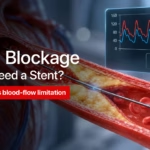
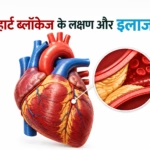
Heart blockage usually refers to narrowing in the coronary arteries. These are the blood vessels that bring oxygen-rich blood to your heart muscle.
Here, heart blockage means narrowing of the heart arteries. It is different from ‘heart block,’ a problem with the heart’s electrical signals.
This narrowing often happens because plaque builds up in the artery walls. Plaque contains cholesterol, fat, calcium and other material. This slow build-up is called atherosclerosis.
The National Heart, Lung, and Blood Institute (NHLBI) explains that narrowed heart arteries may not deliver enough blood to the heart muscle.
Blood Clot Vs Heart Blockage:
| Feature | Blood clot | Plaque-related heart blockage |
| What it is | A partly solid clump of blood | An artery narrowed by deposits in its wall |
| Where it occurs | Arteries, veins or heart chambers | Coronary arteries |
| How it develops | Can form rapidly | Usually develops over years |
| How they overlap | A coronary clot can suddenly block blood flow | Plaque can trigger clot formation |
“Blockage” describes an obstruction; “clot” identifies one possible cause. They can exist together.
What Causes Plaque Buildup and Blood Clots?
Plaque and blood clots can develop for different reasons.
Plaque builds up slowly in artery walls. High LDL (bad) cholesterol, smoking, high blood pressure and diabetes can increase the risk. A family history of early heart disease also matters.
Blood clots can form when blood flow slows, a blood vessel is damaged or blood clots more easily than usual. For example, surgery or long periods without movement can increase the risk of clots in leg veins.
In the heart arteries, damaged plaque can trigger a clot. This is where the two problems connect.
How Can a Blood Clot Cause a Heart Attack?
Sometimes, plaque inside a heart artery breaks open or its surface becomes damaged. Platelets gather there, and a clot can form.
The clot may partly or completely block the artery. If the heart muscle does not get enough blood for too long, it becomes damaged. This can cause a heart attack.
The American Heart Association (AHA) calls a clot that forms in a heart artery coronary thrombosis.
So, plaque may build up slowly, but a clot can suddenly make blood flow much worse.
However, not every narrowed artery does not involve plaque disruption followed by formation of a blood clot (heart attack). However, heart attacks can also occur through other mechanisms, including severe coronary artery spasm or, more rarely, spontaneous coronary artery dissection (SCAD).
Is a Clot Inside the Heart the Same as a Coronary Artery Clot?
A clot inside a heart chamber is different from a clot in an artery supplying the heart. Conditions such as atrial fibrillation, an irregular heartbeat, can allow blood to collect and clot inside the heart. If a clot travels to the brain, it can cause a stroke.
Does a Leg Clot Travel to the Heart Arteries?
Usually, a clot in a deep leg vein does not travel to the arteries that supply the heart. If a piece breaks off, it can pass through the right side of the heart and reach the lungs. There, it may block blood flow. This is called a pulmonary embolism (PE).
Rarely, an unusual opening inside the heart can let the clot cross to the left side and travel to other parts of the body.
The Centers for Disease Control and Prevention (CDC) explains that a lung clot is different from a blockage in the arteries supplying the heart. Both need medical care.
Which Symptoms Need Urgent Medical Attention?
Symptoms depend on where the clot is and how it affects blood flow. How the pain feels cannot tell you whether it is caused by a clot or plaque build-up.
If the heart does not get enough blood, you may feel chest pain or discomfort, especially during activity. This is called angina. Some people have no clear symptoms.
Get emergency help right away if you have:
- Pressure, tightness or pain in the chest that lasts a few minutes or keeps coming back.
- Pain that spreads to an arm, jaw, neck or back.
- Trouble breathing, cold sweats, nausea or dizziness.
A heart attack can start with mild discomfort. The AHA explains that chest pain or discomfort is the most common symptom in both men and women.
A clot in the lungs can cause sudden trouble breathing, chest pain when breathing, coughing up blood or fainting. These signs also need emergency help.
If one leg becomes swollen, warm or painful, get medical help promptly.
How Do Doctors Check for a Blood Clot or Heart Blockage?
Your doctor asks about your symptoms, past health problems and medicines. They then choose tests based on where the problem may be.
If they suspect a heart attack, tests may include:
- ECG: Records the heart’s electrical signals. It may show changes caused by reduced blood flow.
- Troponin blood test: Measures troponin proteins released into the blood when heart muscle cells are damaged. Doctors may repeat the test to look for changes over time.
- Coronary angiography: Uses a special dye and X-ray images to look inside the heart arteries when needed.
An ECG cannot directly show a blocked heart artery. A normal ECG alone does not mean your arteries are clear.
For symptoms that are stable, doctors may suggest coronary CT angiography, a scan that shows the heart arteries. They may also use a stress test to check how the heart works during activity.
An ultrasound can check for a clot in a leg vein. A suspected lung clot may need a scan of the lung blood vessels.
There is no single test that checks every type of clot or blockage.
Are Blood Clots and Heart Blockages Treated Differently?
Yes. The right treatment depends on what caused the problem, where it is and how urgently it needs care.
When a Clot Causes a Heart Attack
When a heart attack is caused by an acutely blocked coronary artery, treatment focuses on restoring blood flow as quickly as possible.
Depending on the type of heart attack and the clinical situation, treatment may include antiplatelet medicines, anticoagulant medicines, PCI/angioplasty with stenting, and in selected situations clot-dissolving medicines.
NHLBI explains that some patients may receive clot-dissolving medicine if angioplasty cannot be provided in time. These medicines can cause bleeding and must be given under medical supervision.
When Plaque-Related Heart Disease Is Stable
“Stable” means symptoms are not new or getting worse. It does not mean the condition needs no care.
Treatment may include:
- Medicines to lower cholesterol.
- Medicines to ease chest discomfort.
- Prescribed medicines that help stop platelets forming clots.
- Changes to food, activity and other daily habits.
Some patients need a stent or bypass surgery, which creates another route for blood to reach the heart.
NHLBI also explains that treatment should match each person’s needs.
Leg and lung clots often need anticoagulants, commonly called blood thinners. These medicines help stop clots getting bigger and new clots forming. They do not remove cholesterol plaque.
Anticoagulants and antiplatelet medicines are different types of medicines. Anticoagulants are commonly used to treat or prevent certain venous blood clots, while antiplatelet medicines are commonly used in coronary artery disease and after some heart procedures. The appropriate medicine depends on the condition.
Do not start, stop or change these medicines without medical advice.
What Should You Do If You Are Worried?
Ask your doctor: “Is this plaque buildup, a blood clot, or both?”
Take your previous reports and medicine list to the appointment. Ask which tests you need and what the treatment is meant to do.
To support your heart health:
- Avoid smoking and tobacco.
- Keep blood pressure, cholesterol and blood sugar under control.
- Eat more vegetables, fruits and whole grains.
- Stay active at a level your doctor says is safe.
- Take prescribed medicines as advised.
Personalised lifestyle management can help you make these habits part of everyday life.
A blood clot and heart blockage are connected, but they are not the same. Knowing the difference can help you understand your reports and take the next step with more confidence.
If you need help with your reports or treatment plan, book a consultation with SAAOL Heartcare Delhi.
If you have emergency symptoms, seek hospital care immediately.
FAQs
Q1. Does a 70% or 90% heart blockage mean there is a blood clot?
No. The percentage describes how narrow an artery is, not whether it contains a clot. Plaque can cause severe narrowing without a fresh clot. Doctors review symptoms and artery images to assess the cause. The percentage alone cannot confirm a clot or decide treatment.
Q2. Can a small heart blockage suddenly become serious?
Yes. Even plaque causing mild narrowing can break open or become damaged. A clot may form over it and suddenly reduce blood flow. Doctors therefore look beyond the blockage percentage. Managing cholesterol, blood pressure, diabetes and smoking helps lower the risk of future heart problems.
Q3. Are blood thinners and cholesterol medicines doing the same job?
No. Blood thinners help prevent harmful clotting. Cholesterol medicines, such as statins, lower LDL cholesterol and help slow plaque buildup. Your doctor may prescribe both because plaque and clot formation can be connected. One medicine does not automatically replace the need for the other.
Q4. If a blood clot clears, does that mean the heart blockage is gone?
Not necessarily. A clot may clear while the plaque underneath remains. Blood flow can improve, but the artery may still need treatment. Doctors assess the remaining narrowing, symptoms and heart function. Continue prescribed medicines and follow-up appointments, even if you feel better.
Q5. Does a high D-dimer result mean I have a clot in my heart?
No. D-dimer measures a substance released when clots break down. A high result cannot locate or confirm a clot alone. Levels may also rise after surgery, during pregnancy or with other illnesses. Doctors assess your symptoms and may recommend imaging to check for a clot.
Q6. Can I have a blood clot even if my cholesterol is normal?
Yes. Normal cholesterol does not rule out a clot. Slow blood flow, blood-vessel injury or conditions that increase clotting can cause clots. These differ from cholesterol-related plaque buildup. Doctors assess symptoms, medical history and risk factors rather than relying on cholesterol results alone.
Q7. Does getting a stent prevent future blood clots?
After stent placement, prescribed antiplatelet treatment is commonly used to reduce the risk of clot formation inside the stent. The medicines and duration depend on the type of procedure and the patient’s bleeding and clotting risks. Never stop them without medical advice.
Q8. Can walking or changing my diet clear a blood clot?
No. Walking and healthy eating support long-term health but do not treat an existing harmful clot. A suspected clot needs medical assessment and may require medicines or a procedure. Ask your doctor when activity is safe. Do not delay treatment while trying lifestyle remedies.
Disclaimer: This blog shares general health information. It does not replace medical advice, tests or treatment. Get emergency help for possible signs of a heart attack or a clot in the lungs.
Book Appointment



In This Article
- What Is the Difference Between a Blood Clot and Heart Blockage?
- Blood Clot Vs Heart Blockage:
- What Causes Plaque Buildup and Blood Clots?
- How Can a Blood Clot Cause a Heart Attack?
- Is a Clot Inside the Heart the Same as a Coronary Artery Clot?
- Does a Leg Clot Travel to the Heart Arteries?
- Which Symptoms Need Urgent Medical Attention?
- How Do Doctors Check for a Blood Clot or Heart Blockage?
- Are Blood Clots and Heart Blockages Treated Differently?
- When a Clot Causes a Heart Attack
- When Plaque-Related Heart Disease Is Stable
- What Should You Do If You Are Worried?
- FAQs
- Q1. Does a 70% or 90% heart blockage mean there is a blood clot?
- Q2. Can a small heart blockage suddenly become serious?
- Q3. Are blood thinners and cholesterol medicines doing the same job?
- Q4. If a blood clot clears, does that mean the heart blockage is gone?
- Q5. Does a high D-dimer result mean I have a clot in my heart?
- Q6. Can I have a blood clot even if my cholesterol is normal?
- Q7. Does getting a stent prevent future blood clots?
- Q8. Can walking or changing my diet clear a blood clot?
×
Request for a Call Back
Thank You! We'll get back to you shortly.