All
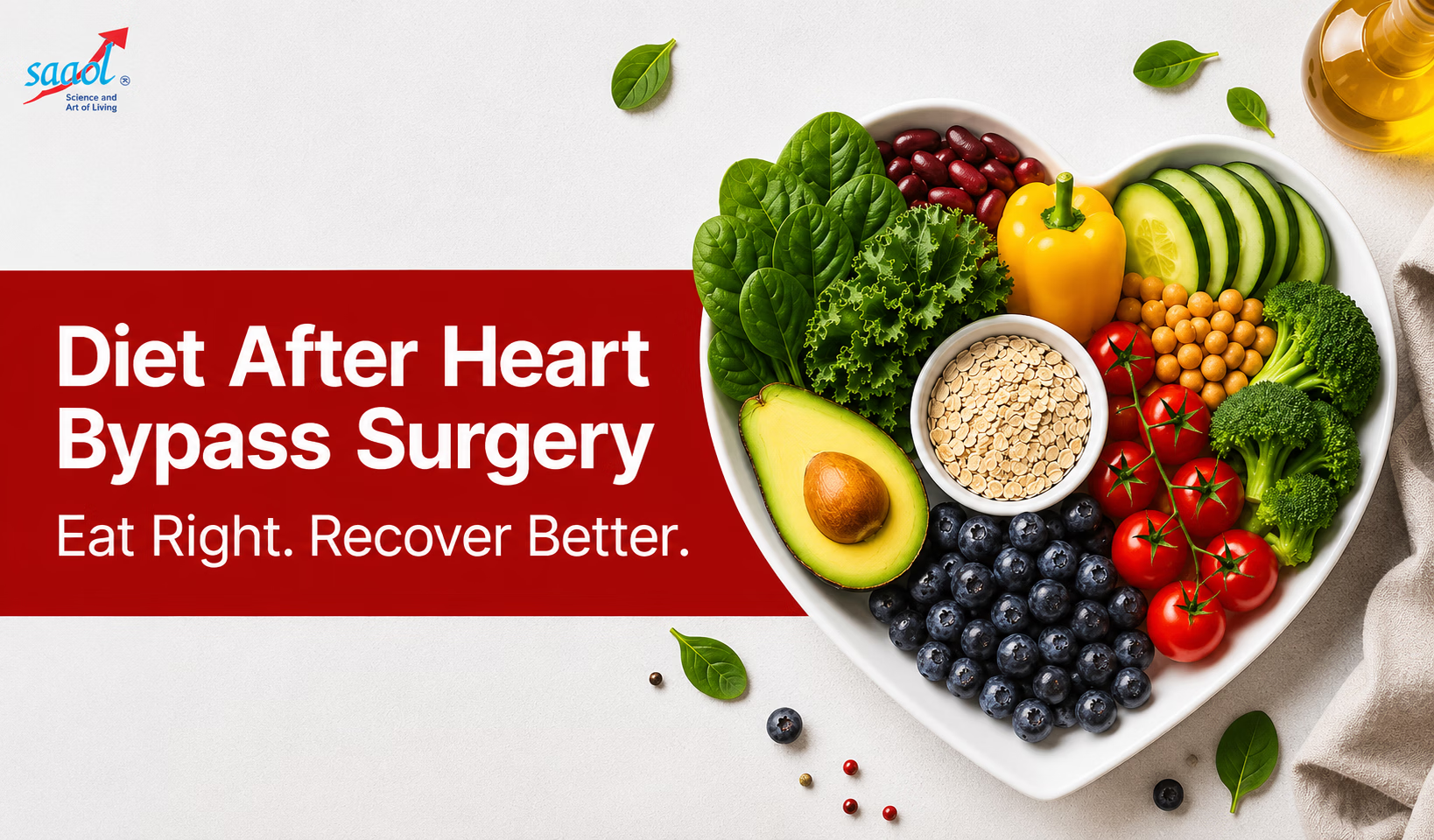
Diet After Heart Bypass Surgery
The best diet after heart bypass surgery includes plenty of fruits, vegetables, whole grains, legumes, and fiber-rich foods while limiting saturated fats, trans fats, sodium, added sugars, and processed foods. A heart-healthy eating pattern supports wound healing, helps manage cholesterol and blood pressure, reduces inflammation, and lowers the risk of future artery blockages when combined with prescribed medications and healthy lifestyle habits.
You just survived one of the biggest surgeries a human body can go through. It’s okay to feel scared, grateful, and overwhelmed, all at the same time.
Now comes the real question:
What should you eat to heal faster and avoid future problems?
Most people are told to eat healthy, but that advice is often confusing, inconsistent, and sometimes incomplete.
At SAAOL, we believe recovery is not just about healing from surgery. It’s about preventing the next blockage. And your diet plays the biggest role in that.
In this blog, we will talk about the best diet for your speedy recovery after heart bypass surgery the SAAOL way.
What is Heart Bypass Surgery?
Bypass surgery (also called CABG– Coronary Artery Bypass Grafting) is an invasive procedure used to restore blood supply to the heart. It works by creating a new route for blood to flow around a blocked artery.
It is usually done when the artery is severely or completely blocked, or when a person has had a heart attack.
But here’s something important to understand:
Bypass surgery creates a new route. It does not remove the root cause. Without lifestyle change, new blockages can form on the same route.
It only creates a temporary alternative route. If lifestyle and diet don’t change, new blockages can still form.
That’s why your diet after heart bypass surgery is not just about recovery, it’s about long-term heart protection.
Best Diet Plan After Heart Bypass Surgery to Recover Faster
Bypass is a major surgery. So now, as your heart just experienced this, you must give your heart the recovery it needs. The goal of the best diet after bypass would be-
- Lower BP and Cholesterol
- Speed up healing
- Reducing inflammation
- Preventing new blockages
After surgery, your body needs healing. But your arteries need something even more important. Clean, natural nourishment without damage-causing fats.
Core principles of your post-bypass diet:
1. Zero Oil Cooking
Avoid all kinds of oil, butter, and ghee. Oil is pure fat, and even small amounts of oil can contribute to fat buildup over time, which may affect artery health, increase inflammation, and slow down recovery. Instead, opt for zero-oil cooking. Cook your food by steaming, boiling, or sautéing in water. This keeps your meals light and truly heart-friendly.
If you’re wondering how to prepare tasty meals without oil, you can explore our simple zero-oil cooking recipe channels and learn easy, healthy ways to cook at home.
2. Eat Natural, Plant-Based Foods
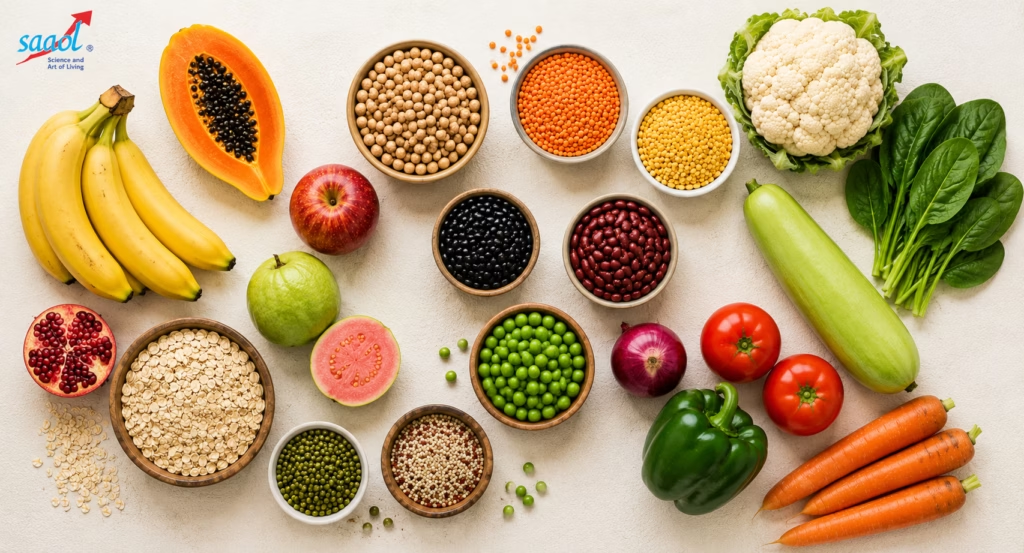
After bypass surgery, the simplest way to support your recovery is to eat foods that come directly from nature, without processing or added fats.
Research from the American Heart Association supports that plant-based diets can help lower cholesterol and improve overall heart health.
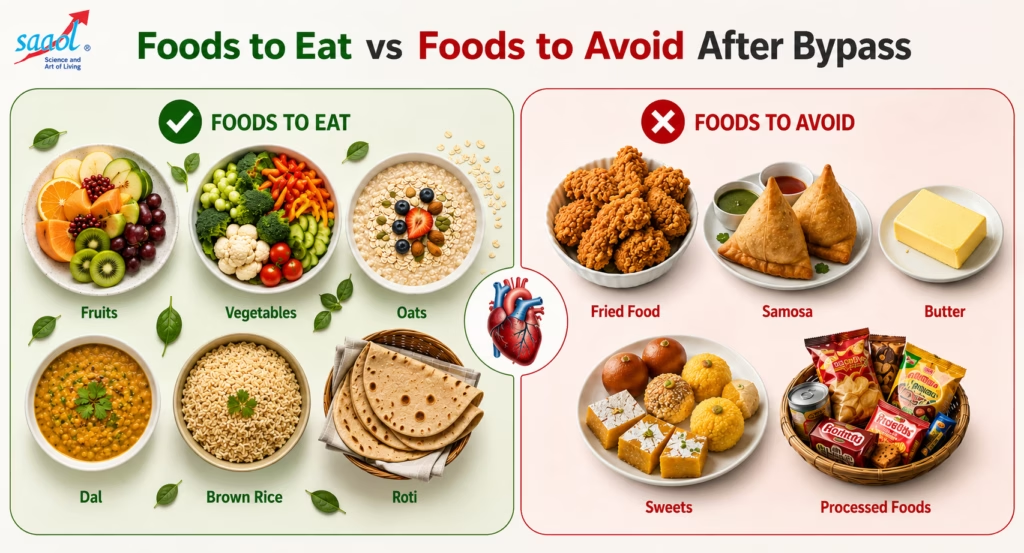
Your plate should mainly include natural, plant-based foods like fruits (apples, papaya, guava, pomegranate), vegetables (spinach, lauki, tinda, carrots, beans), whole grains (oats, brown rice, whole wheat roti, daliya), and pulses (moong dal, chana, rajma, masoor dal), as these provide the nutrients your body needs to heal and support heart health.
These foods help your body in powerful ways:
- Clean arteries: Fibre-rich foods like oats and pulses help remove excess cholesterol from the body
- Reduce cholesterol: Fruits and vegetables are naturally low in fat and support healthy cholesterol levels
- Improve healing: Vitamins and antioxidants from fresh foods help repair tissues faster
Remember, the more natural your food, the better your heart heals.
3. High Fibre Provides Natural Healing
Fiber helps clean your arteries and improve digestion. Simple foods like oats, daliya, brown rice, and whole wheat are great sources. Eating fiber regularly helps your heart recover and keeps your system running smoothly.
4. Avoid All Hidden Fats
Even small amounts of hidden fats can slow your recovery, so it’s best to avoid fried foods, bakery items, packaged snacks, and dairy fats.
Always keep in mind that if the food looks oily, creamy, or processed, it’s better to stay away from it and choose natural, clean options instead.
5. Eat Light and Eat Often
Diet after heart bypass surgery, should not overload your body. Instead of eating large portions, have 5–6 small meals throughout the day. This keeps digestion easy, maintains steady energy levels, and reduces extra strain on your heart during recovery.
Foods to Eat vs Foods to Avoid After Bypass
| ❤️ Eat for Faster Recovery | ⚠️ Avoid to Protect Your Heart |
|---|---|
| 🥣 Oats, Daliya & Brown Rice | 🛢️ All Oils (Including Olive Oil) |
| 🫓 Whole Wheat Roti | 🍟 Fried Foods (Samosa, Pakoda, Puri) |
| 🥦 Vegetables (Lauki, Tinda, Spinach, Beans, Carrots) | 🧈 Butter, Ghee & Cream |
| 🍎 Fruits (Apple, Papaya, Guava, Pomegranate) | 🍗 Red Meat, Chicken & Fish |
| 🫘 Dal, Rajma, Chana & Other Pulses | 🍰 Sugary Sweets & Soft Drinks |
| 🥥 Coconut Water & Plain Water | 📦 Packaged & Processed Foods |
Many diets still recommend foods like fish, chicken, and olive oil as healthy options as diet after CABG operation. However, at SAAOL Heartcare, the approach is different. While many diets allow moderate fat intake, SAAOL focuses on eliminating it to support deeper healing.
They emphasize that cholesterol mainly comes from animal-based foods, which is why these are avoided. Even oils and animal products can add fats that may slowly damage arteries, so a plant-based, zero-oil diet is preferred for better heart recovery.
Medications After Bypass
After bypass surgery, doctors usually prescribe medicines like blood thinners, BP medicines, and cholesterol control drugs to support your recovery. It’s better to go with consistent lifestyle changes, as the root cause of heart disease is a poor lifestyle.
What makes SAAOL different?
Most conventional diets still allow small amount of oil (even “healthy oils”), animal fats and processed foods.
But at SAAOl, we believe, even small amounts of oil and fat can continue to damage arteries. So it’s vital to completely stop oil and fats during the recovery phase.
According to Dr Bimal Chhajer, heart specialist and founder of SAAOL Heartcare, who has successfully treated 7 lakh+ heart patients through lifestyle-based recovery over three decades, says, “If you remove oil completely and eat natural plant-based foods, the body gets a chance to heal itself.”
At SAAOL, thousands of patients have followed this lifestyle approach for long-term heart care.
What to Expect After Bypass: Your Recovery Timeline
Recovery happens step by step.
In the first 1–2 weeks, focus on rest, light food, and short walks as your body heals.
From week 3 to 6, your energy improves and you can slowly return to daily activities.
By 2–3 months, you start feeling stable. This is the time to fully adopt a healthy lifestyle to prevent future heart problems.
But it is important to remember that every individual is different, and recovery depends on health condition and severity of illness.
Side Effects After Bypass & How to Cope
After bypass surgery, it’s common to feel weakness, mood swings, low appetite, or sleep issues, but these can be managed with simple steps like eating small meals, staying lightly active, practicing deep breathing, and staying emotionally supported by family.
Most importantly, don’t ignore these signs. Your recovery phase is the best time to prevent future heart problems. For the right direction at the right time, consult SAAOL Heartcare Delhi and start expert-guided lifestyle changes early to protect your heart in the long term.
The Final Insights
Most patients recover from surgery… but don’t realize that blockages can return if lifestyle doesn’t change.
Bypass surgery may fix the blockage for now, but your diet and lifestyle decide what happens next. As shared in this guide, simple choices like a zero-oil, plant-based diet can support real healing and prevent future heart problems.
But doing it right needs expert guidance.
Delaying the right lifestyle changes can increase the risk of future blockages.
Instead of guessing, consult SAAOL Heartcare Delhi for a personalized diet and lifestyle plan, including a complete diet chart for heart patients after bypass. Starting early can help you avoid future blockages and reduce long-term risks.
Your recovery is your second chance. Make it count.
FAQs
Q1. Can stress affect recovery after bypass surgery?
Yes, stress can impact heart health, so relaxation techniques like meditation and breathing exercises are helpful for a smooth recovery.
Q2. Can diabetes affect my diet after bypass surgery?
Yes, if you have diabetes, your diet should be carefully planned to manage both blood sugar and heart health.
Q3. How soon can I start lifestyle changes after bypass surgery?
Lifestyle changes should begin immediately after recovery starts, as early changes give better long-term results.
Q4. Do I need a diet consultation after bypass surgery?
Yes, a personalized diet plan ensures you follow the right approach for your condition and avoid future complications.
Q5. Can diet reverse heart blockage after bypass?
At SAAOL Heartcare, the focus is on lifestyle-based healing. A strict zero-oil, plant-based diet, along with therapies like EECP, can help reduce further blockages, improve blood flow, and support the body’s natural ability to heal over time.
Q6. What foods should be avoided after bypass surgery in India?
After bypass surgery, avoid fried foods like samosa and pakoda, oils, butter, ghee, red meat, chicken, fish, bakery items, packaged snacks, and sugary drinks. Choose simple, fresh, home-cooked meals without oil to support faster recovery and better heart health.
Book Appointment


In This Article
- What is Heart Bypass Surgery?
- Best Diet Plan After Heart Bypass Surgery to Recover Faster
- Core principles of your post-bypass diet:
- 1. Zero Oil Cooking
- 2. Eat Natural, Plant-Based Foods
- 3. High Fibre Provides Natural Healing
- 4. Avoid All Hidden Fats
- 5. Eat Light and Eat Often
- Foods to Eat vs Foods to Avoid After Bypass
- Medications After Bypass
- What makes SAAOL different?
- What to Expect After Bypass: Your Recovery Timeline
- Side Effects After Bypass & How to Cope
- The Final Insights
- FAQs
×
Request for a Call Back
Thank You! We'll get back to you shortly.