

Health Tips
What Is an ECG? Can It Detect Heart Blockage? Uses, Results & Limitations
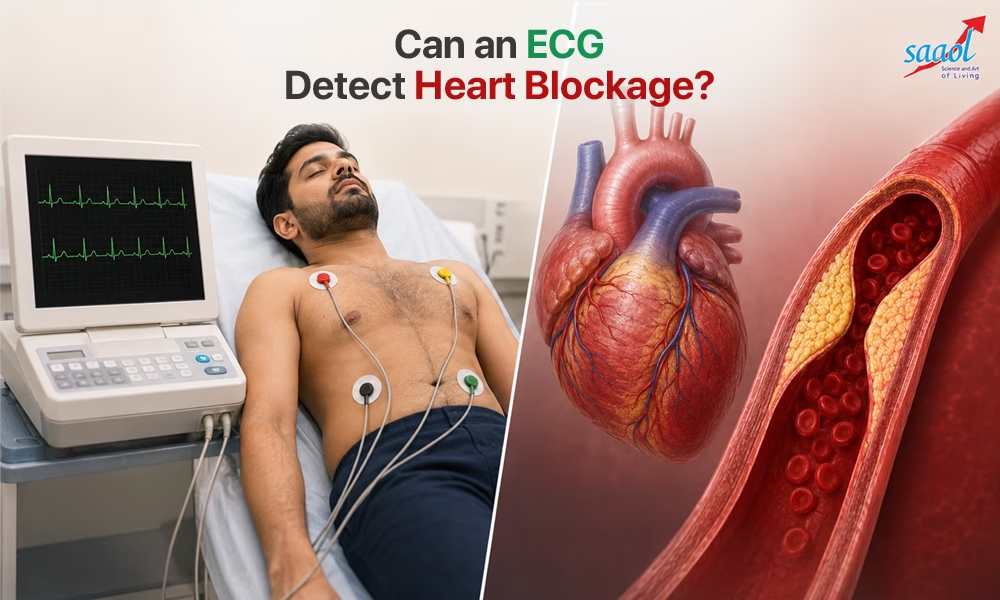
An ECG records the heart’s electrical activity, but it does not directly show a blocked coronary artery. It may reveal signs that reduced blood flow has affected the heart, especially during a heart attack. But a normal ECG cannot reliably rule out heart blockage. Doctors interpret it with symptoms, examination findings, blood tests and, when needed, heart imaging.
An ECG is one of the first tests doctors use when someone has chest pain, breathlessness, palpitations or other heart-related symptoms. But an ECG does not directly show whether a coronary artery is blocked.
A normal ECG does not rule out coronary artery disease. Doctors may use CT angiography or coronary angiography to examine the arteries directly.
This article explains what an ECG measures, what it can and cannot detect, can ECG detect heart blockage, and which tests may be used to evaluate coronary artery disease.
What Is an ECG and What Is It Used For?
An ECG is a quick and painless test that checks your heart’s electrical activity. It is used to understand how fast your heart is beating, whether its rhythm is normal and if there are signs of a heart problem.
Small adhesive sensors called electrodes are placed on the chest and limbs. They detect electrical activity; they do not send electricity into the body.
The waves on the result show heart rate, rhythm and how electrical signals travel through the chambers.
An ECG can detect:
- abnormal rhythms, called arrhythmias;
- a current or previous heart attack;
- reduced blood supply to the heart muscle, called ischaemia;
- heart-chamber strain; and
- the effects of certain medicines or a pacemaker.
A resting ECG captures only a short window. Intermittent palpitations may require longer monitoring.
What is the difference between EKG and ECG?
ECG and EKG refer to the same test. ECG comes from “electrocardiogram,” while EKG reflects the German spelling “Elektrokardiogramm.”
| ECG | EKG |
| Stands for electrocardiogram | Also stands for electrocardiogram |
| Based on the English spelling | Based on the German spelling, Elektrokardiogramm |
| Commonly used in the UK, India and other countries | Commonly used in the United States |
Will an ECG Show a Blockage in the Heart?
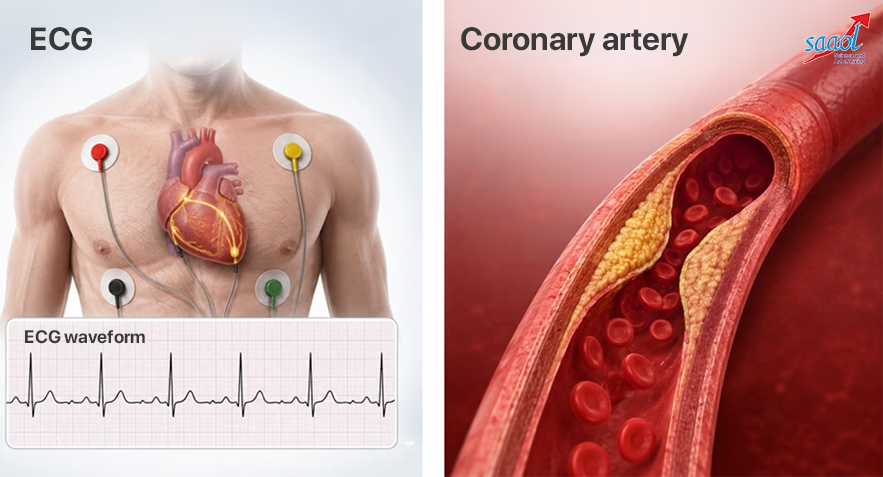
Not directly.
Coronary blockage usually means plaque has narrowed one or more coronary arteries, the vessels that supply the heart muscle. An ECG measures electricity, not the inside of those vessels. It therefore cannot display the artery, locate plaque reliably or calculate 50%, 70% or 90% blockage.
Think of the coronary arteries as water pipes and the ECG as an electrical monitor for the heart. The monitor can show how the heart is responding, but it cannot see inside the pipes.
An ECG can provide important indirect clues. Severely reduced blood flow may cause ST-segment or T-wave changes, and certain patterns help clinicians identify a heart attack. The American Heart Association describes ECG as an important test for diagnosing and monitoring heart conditions.
Similar ECG changes can happen for other reasons, and some people with heart blockage may have a normal ECG. Therefore, a doctor must interpret the results along with your symptoms and other tests.
Can You Have a Normal ECG With Blocked Arteries?
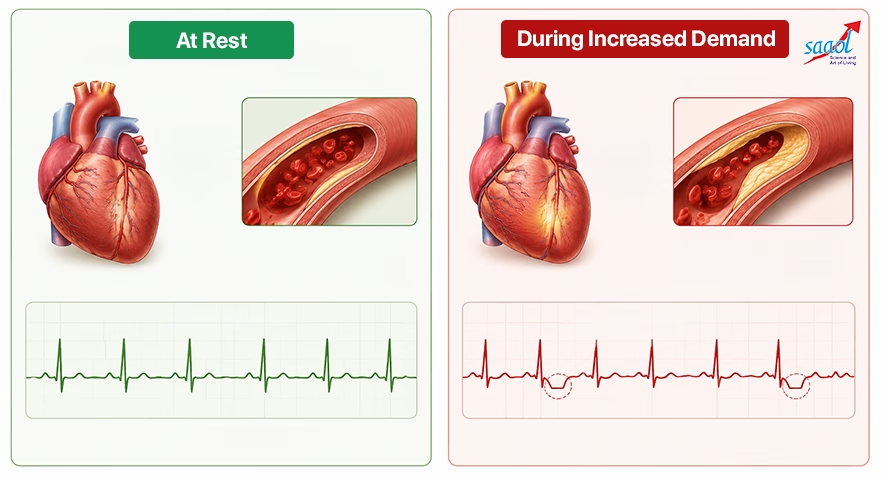
Yes. A person can have coronary artery disease or significant narrowing and still have a normal resting ECG. Some ECG abnormalities appear only when the heart is under increased demand, while some people with coronary artery disease may have no diagnostic ECG changes at rest.
This distinction matters:
| ECG Result | What it may mean | What it cannot confirm |
| Normal ECG | No heart-related electrical changes were seen during the test | Your heart arteries are completely free from blockage |
| Signs of reduced blood flow | The heart muscle may not be getting enough blood | Which artery is narrowed or the percentage of blockage |
| Signs of a heart attack | A heart attack may be happening or may have happened earlier | The complete cause and extent of the damage |
| Other abnormal changes | There may be a problem with the heart’s rhythm or electrical signals | That heart blockage is definitely the cause |
For suspected acute coronary syndrome, the 2022 American College of Cardiology pathway calls ECG the best initial test. When suspicion remains high, clinicians may repeat it and measure high-sensitivity troponin, a blood marker of heart-muscle injury.
Which Tests Can Actually Detect Blocked Coronary Arteries?
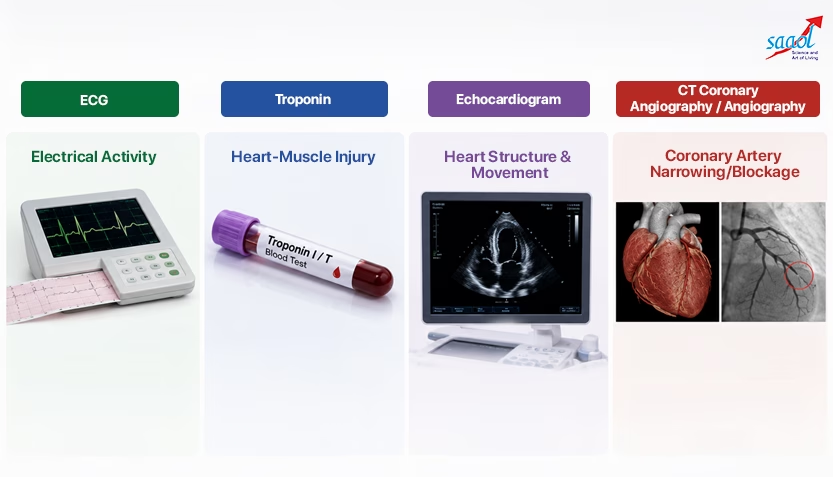
The right test depends on symptoms, risk factors, kidney function and previous results.
Blood tests and echocardiography
Troponin identifies heart-muscle injury, not the blockage itself. An echocardiogram uses ultrasound to assess pumping, valves and heart-wall movement but does not routinely map coronary plaque.
Stress testing
Stress tests look for ischaemia, whether a narrowing limits blood flow when the heart works harder. Testing may use an exercise ECG or combine exercise or medicine with heart imaging.
Coronary CT angiography and invasive angiography
Coronary CT angiography (CCTA) uses X-rays and contrast dye to show coronary plaque and narrowing, as the American Heart Association explains. Radiation, kidney function, allergy history and pregnancy status require consideration.
Invasive coronary angiography uses a catheter, contrast and X-rays. It shows detailed anatomy and may allow treatment during the same procedure, but it is invasive. Compare CT angiography versus traditional angiography and let your doctor decide which one to go for.
No single test suits everyone; testing should follow the clinical situation.
Can an ECG Predict a Heart Attack?
No. An ECG cannot predict whether you will have a heart attack in the future or when it might happen.
It only records your heart’s electrical activity at the time of the test. It may show signs of a previous heart attack, reduced blood flow or an abnormal heartbeat. However, a normal ECG does not mean that you have no risk of a future heart attack.
To understand your risk, a doctor also checks factors such as:
- Blood pressure
- Cholesterol levels
- Blood sugar or diabetes
- Smoking or tobacco use
- Age
- Family history of heart disease
- Current symptoms
However, this advice is different for people who have symptoms. If you experience chest pressure, unexplained breathlessness or difficulty doing activities that were previously easy, consult a doctor—even if an earlier ECG was normal. Recognising the early warning signs of a heart attack can help you seek timely medical care.
When Should You Seek Emergency Care?
Treat new or severe chest pressure, heaviness, tightness or squeezing as an emergency, especially when it lasts more than a few minutes, returns, or occurs with:
- shortness of breath;
- cold sweating;
- nausea or vomiting;
- faintness or sudden weakness; or
- discomfort spreading to the arm, shoulder, jaw, neck, back or upper abdomen.
Call emergency medical services and do not drive yourself. Do not rely on a previous normal ECG. A heart attack can even occur without a major obstructive lesion.
For recurrent symptoms that are not present now, arrange a timely consultation and take your reports and medicines list.
End Note: A Normal ECG Is Not Always the Final Answer
An ECG is often the first test used to assess heart symptoms because it can quickly detect electrical changes, abnormal rhythms and possible signs of heart-muscle injury. However, it cannot directly show plaque, identify the exact blocked artery or measure the percentage of narrowing.
If chest discomfort, breathlessness or reduced exercise capacity keeps returning, do not rely only on an earlier normal ECG. Consult a doctor to understand whether you need additional testing.
For personalised heart assessment and guidance on appropriate tests, book a consultation with SAAOL Heartcare Delhi. If severe symptoms are happening now, seek emergency medical care instead of waiting for a clinic appointment.
FAQs
Q1. How long does an ECG take?
A standard ECG usually takes about 5–10 minutes. Most of this time is spent placing small electrode patches on your chest, arms and legs. The actual recording takes only a few seconds. Your doctor can then review the pattern of your heart’s electrical activity.
Q2. Is an ECG painful or risky?
No. An ECG is a safe, painless and non-invasive test. The machine only records your heart’s electrical signals; it does not send electricity into your body. You may feel slight discomfort when the sticky patches are removed, and mild skin irritation can occasionally occur.
Q3. Do I need to fast before an ECG?
No, you generally do not need to fast before a routine ECG. You can usually eat, drink and take your regular medicines unless your doctor advises otherwise. Avoid applying creams or oils to your chest, as they may prevent the electrode patches from sticking properly.
Q4. Can anxiety affect my ECG result?
Yes. Anxiety may temporarily increase your heart rate or cause palpitations, which can appear on an ECG. However, you should not assume that an abnormal result is caused only by stress. Your doctor will consider your symptoms, medical history and other test results before reaching a conclusion.
Q5. Can a smartwatch ECG replace a medical ECG?
No. A smartwatch records limited information and may help identify certain irregular heart rhythms. However, it cannot replace a medical 12-lead ECG, which examines the heart’s electrical activity from several angles. A smartwatch ECG also cannot confirm or rule out a blocked coronary artery.
Q6. What is the difference between an ECG and an echocardiogram?
An ECG records the heart’s electrical activity and checks its rate and rhythm. An echocardiogram uses ultrasound to create moving images of the heart. It helps doctors assess the heart’s chambers, valves, pumping strength and movement. The two tests provide different but complementary information.
Q7. Can medicines affect my ECG result?
Yes. Some medicines can change your heart rate, rhythm or electrical signals and may affect the ECG result. Before the test, tell your doctor about all prescribed medicines, over-the-counter products and supplements you take. Do not stop any medicine unless your doctor specifically advises you to.
Disclaimer: This article provides general education and is not a diagnosis or a substitute for advice from a qualified healthcare professional. Testing and treatment decisions must be individualised. Seek emergency medical care for possible heart-attack symptoms.
Book Appointment





In This Article
- What Is an ECG and What Is It Used For?
- What is the difference between EKG and ECG?
- Will an ECG Show a Blockage in the Heart?
- Can You Have a Normal ECG With Blocked Arteries?
- Which Tests Can Actually Detect Blocked Coronary Arteries?
- Blood tests and echocardiography
- Stress testing
- Coronary CT angiography and invasive angiography
- Can an ECG Predict a Heart Attack?
- When Should You Seek Emergency Care?
- End Note: A Normal ECG Is Not Always the Final Answer
- FAQs
×
Request for a Call Back
Thank You! We'll get back to you shortly.