

All
Heart Attack With No Blockage: Can It Really Happen?
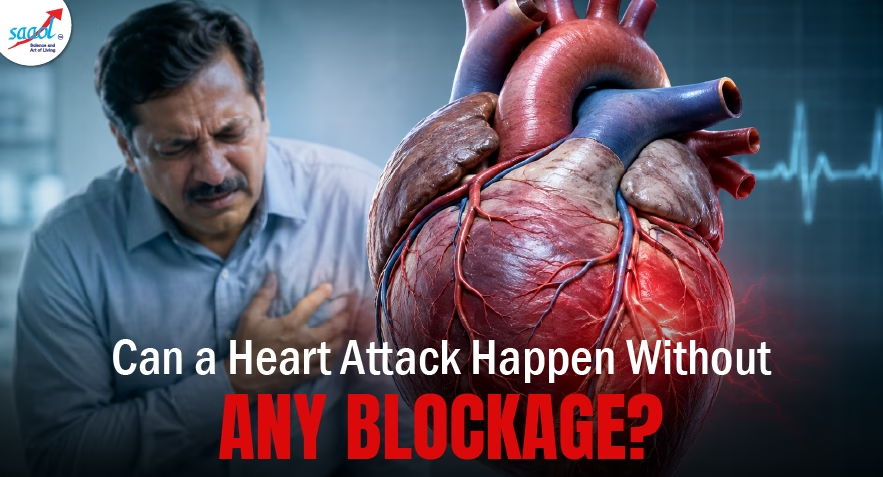
A heart attack can occur even when an angiogram shows no major blockage. This is known as myocardial infarction with non-obstructive coronary arteries (MINOCA). It does not mean the heart is normal or that the condition is less serious. It means doctors need to investigate further to understand what interrupted blood flow or injured the heart muscle.
For many patients, the confusion begins when blood tests confirm heart-muscle damage, but the angiogram reveals no major blockage. This naturally raises an important question: How can it be a heart attack if the arteries appear clear?
A fixed blockage is not the only problem that can reduce blood flow to the heart. A temporary artery spasm, a small clot that dissolves before testing, subtle plaque damage or a problem in the heart’s tiny blood vessels may also be responsible.
This blog explains why a heart attack can happen without a major blockage, the warning signs to recognise, how doctors identify the cause and what treatment may involve.
Let’s dive in.
Can You Have a Heart Attack Without a Blocked Artery?
Yes. Most heart attacks occur when plaque breaks open and a clot blocks an artery. Sometimes, however, tests confirm heart-muscle injury even though angiography shows no major blockage.
According to the American Heart Association, heart attacks without major coronary blockage account for approximately 5–6% of all heart attacks reported in clinical studies. While relatively uncommon, they still require careful investigation and appropriate treatment.
What Can Cause a Heart Attack Without Blockage?
A heart attack without a major blockage can occur for several reasons. The problem may begin with subtle plaque damage, a temporary artery spasm or a small blood clot that disrupts blood flow.
The condition is more frequently identified among women experiencing a heart attack. With detailed testing, doctors can often determine the underlying cause and develop a treatment plan accordingly.
Cholesterol Plaque Damage
Cholesterol plaque does not need to cause severe narrowing to become dangerous. A small deposit can crack or become damaged, triggering a clot and temporarily interrupting blood flow to the heart.
Coronary Artery Spasm
A coronary artery can suddenly tighten and restrict blood flow to the heart muscle. The artery may relax before angiography, making it appear normal during the test. A spasm can occur with or without plaque build-up.
Because the spasm may resolve before angiography, the artery can appear less narrowed or normal during the test.
Blood Clotting
A clot can form in a large or small branch of a coronary artery and reduce blood flow. It may develop around an area of plaque, form on its own or travel to the heart from another part of the body. Sometimes, the clot dissolves before angiography is performed.
Problems in the Heart’s Tiny Blood Vessels
The heart’s smallest blood vessels may fail to widen properly or may temporarily narrow. Because these vessels are too small to be seen clearly on a routine angiogram, the larger coronary arteries may appear open even when the heart is not receiving enough blood.
A Tear in the Artery Wall
A tear can develop within the wall of a coronary artery, causing blood to collect inside it and narrow the normal passage. This reduces blood flow and is seen more commonly in younger and middle-aged women.
Conditions That Can Resemble a Heart Attack
Chest pain, ECG changes and elevated troponin do not always confirm that reduced blood flow caused the heart injury. Certain conditions can produce similar findings, which is why further testing, particularly cardiac MRI, may be needed.
Myocarditis
Myocarditis is inflammation of the heart muscle, often associated with an infection. It can cause chest pain, elevated troponin, breathlessness and abnormal heart rhythms, making it appear similar to a heart attack.
Cardiomyopathy
Cardiomyopathy is a disease of the heart muscle that can make the heart enlarged, thickened, reducing its ability to pump blood efficiently. As the condition progresses, it may produce symptoms of an enlarged heart, including chest discomfort, breathlessness and fainting.
Hypertrophic Cardiomyopathy
This usually inherited condition causes the heart muscle to become unusually thick. It can obstruct blood leaving the heart and produce symptoms such as chest pain, fainting, breathlessness or irregular heartbeats.
Takotsubo Syndrome
Also called broken heart syndrome, this condition is commonly triggered by intense emotional or physical stress. It can temporarily weaken the heart and produce symptoms and test results similar to a heart attack.
These conditions require different treatments. Therefore, identifying the actual cause is more important than relying on the angiogram alone.
What Symptoms Should You Never Ignore?
A heart attack without a major blockage can feel exactly like any other heart attack. Symptoms may include:
- Pressure, tightness, burning or pain in the chest
- Pain in the arm, jaw, neck, shoulder, back or upper abdomen
- Sudden shortness of breath
- Cold sweating
- Nausea, vomiting or indigestion-like discomfort
- Dizziness or fainting
- Unusual or overwhelming fatigue
- A sudden feeling that something is seriously wrong
Women may experience less obvious warning signs of a heart attack, including breathlessness, nausea, extreme fatigue, and discomfort in the back or jaw, with or without chest pain.
If symptoms are new, severe, worsening or last more than a few minutes, seek emergency medical help immediately. Do not wait for them to settle and do not drive yourself.
How Do Doctors Find the Real Cause?
Doctors use symptoms, an ECG and troponin blood tests to check for heart-muscle injury. Learn how cardiac enzyme tests detect heart damage.
If angiography shows no major blockage, further tests may include:
- Echocardiography to check the heart’s structure and pumping ability
- Cardiac MRI to identify injury, inflammation or scarring in the heart muscle
- Special artery imaging to find a small clot, plaque crack or wall tear
- Coronary function testing to look for artery spasms or small-vessel problems
- Blood tests to investigate unusual clotting
Tests can also reveal conditions that resemble a heart attack, including heart-muscle inflammation or temporary weakness after severe stress. NYU Langone Health explains why identifying the underlying cause is essential for planning treatment.
How Is a Heart Attack With No Blockage Treated?
Treatment depends on the cause; no single medicine or procedure suits everyone.
Doctors may prescribe:
- Antiplatelet medicines and cholesterol-lowering treatment for plaque-related injury
- Medicines that relax the arteries when spasms are responsible
- Treatment for abnormal clotting or a travelling clot
- Personalised medication for small-vessel problems
- Careful monitoring for an artery-wall tear
- Cardiac rehabilitation and control of heart-health risks
A stent or bypass is generally not required when there is no major blockage to open, but treatment is still important. Never stop prescribed medicines without medical advice.
Can EECP Help?
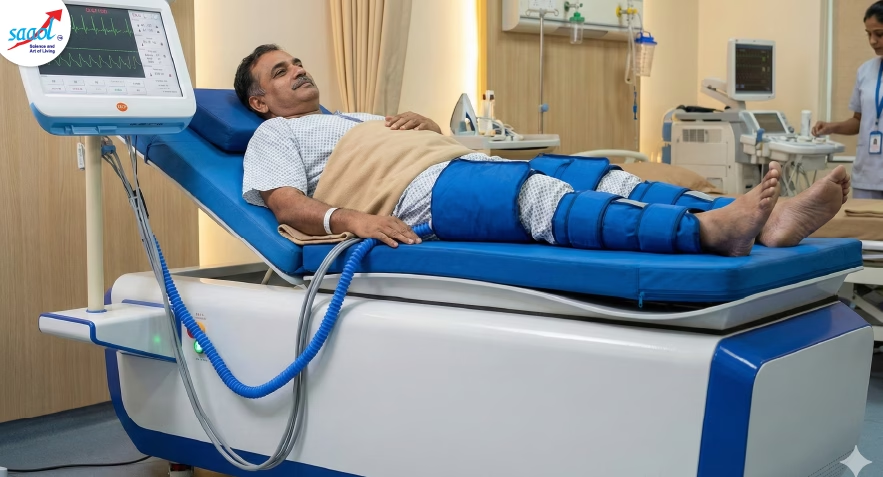
Though EECP is not an emergency heart-attack treatment, eligible people with continuing angina or reduced blood flow despite standard care can be considered for it.
EECP therapy is non-invasive and requires no incision, anaesthesia or hospitalisation. It improves blood flow and supports collateral circulation, natural pathways that carry blood around narrowed or blocked arteries.
At SAAOL Heartcare Delhi, EECP is combined with prescribed medicines, a zero-oil diet, exercise and lifestyle management to reduce symptoms and support long-term heart health.
Final Insights: No Blockage Does Not Mean No Risk
A temporary spasm, small clot, plaque damage, artery-wall tear or tiny-vessel problem can cause a heart attack without major blockage. The priority is to identify the cause, not assume that a clear angiogram means a healthy heart.
If you have ongoing chest discomfort, breathlessness or a history of heart-muscle injury, book a consultation at SAAOL Heartcare Delhi for a detailed evaluation and personalised treatment guidance.
FAQs
Q1. Can this happen when cholesterol is normal?
Yes. Cholesterol-related plaque is only one possible cause. An artery spasm, travelling clot, artery-wall tear or small-vessel problem can occur even when cholesterol levels are normal.
Q2. Can stress cause a heart attack without any blockage?
Severe emotional or physical stress can affect the heart and may contribute to an artery spasm or temporary heart weakness. Learn more about the connection between stress and heart attack. However, doctors must rule out other possible causes before assuming stress is responsible.
Q3. Can I exercise after recovery?
Many people can gradually return to exercise, but timing and intensity depend on the cause, heart function and symptoms. Ask your cardiologist for a personalised plan.
Q4. Does a clear angiogram mean the heart is healthy?
Not always. An angiogram mainly shows the larger coronary arteries. It may not detect temporary artery spasms, tiny-vessel problems, subtle plaque damage or certain conditions affecting the heart muscle.
Q5. Do I still need heart medicines if there is no major blockage?
Possibly. Medicines may still be required to treat plaque damage, artery spasms, abnormal clotting, high cholesterol or other identified risks. Treatment depends on the underlying cause, so never stop prescribed medication without consulting your doctor.
Disclaimer: This information is for educational purposes only and does not replace professional medical advice, diagnosis or treatment. Seek emergency medical care immediately if you may be experiencing heart-attack symptoms.
Book Appointment




In This Article
- Can You Have a Heart Attack Without a Blocked Artery?
- What Can Cause a Heart Attack Without Blockage?
- Cholesterol Plaque Damage
- Coronary Artery Spasm
- Blood Clotting
- Problems in the Heart’s Tiny Blood Vessels
- A Tear in the Artery Wall
- Conditions That Can Resemble a Heart Attack
- Myocarditis
- Cardiomyopathy
- Hypertrophic Cardiomyopathy
- Takotsubo Syndrome
- What Symptoms Should You Never Ignore?
- How Do Doctors Find the Real Cause?
- How Is a Heart Attack With No Blockage Treated?
- Can EECP Help?
- Final Insights: No Blockage Does Not Mean No Risk
- FAQs
×
Request for a Call Back
Thank You! We'll get back to you shortly.