
Conditions Cured by EECP
Get Relief from Chest Pain & Breathlessness - Without Surgery
Do you know ? What conditions can be cured by EECP therapy ?
The following are the conditions in which EECP may be required or suggested:
Lung Disease
EECP boosts circulation and increases oxygen delivery.
Helps lungs function better and reduces breathlessness.
Improves stamina and reduces fatigue.
Helps lungs function better and reduces breathlessness.
Improves stamina and reduces fatigue.
Chest Pain (Angina)
EECP creates natural bypasses around blocked arteries.
Improves heart blood flow and reduces angina episodes.
A proven non-invasive therapy for chronic angina.
Improves heart blood flow and reduces angina episodes.
A proven non-invasive therapy for chronic angina.
Shortness of Breath
EECP increases cardiac output and lung oxygenation.
Breathing becomes easier as circulation improves.
Enhances exercise capacity.
Breathing becomes easier as circulation improves.
Enhances exercise capacity.
Heart Failure / Low EF
EECP improves blood supply to weak heart muscles.
Helps heart pump efficiently and reduces symptoms.
Supports better EF and reduces hospital visits.
Helps heart pump efficiently and reduces symptoms.
Supports better EF and reduces hospital visits.
Left Ventricular Dysfunction
Enhances perfusion to LV muscles.
Reduces swelling, fatigue & breathlessness.
Improves quality of life.
Reduces swelling, fatigue & breathlessness.
Improves quality of life.
Cerebrovascular Disease
EECP increases brain blood flow.
Supports memory, focus & reduces dizziness.
Enhances vascular health.
Supports memory, focus & reduces dizziness.
Enhances vascular health.
Fatigue
EECP improves oxygen delivery to tissues.
Boosts energy, stamina & daily performance.
Reduces chronic tiredness.
Boosts energy, stamina & daily performance.
Reduces chronic tiredness.
Kidney Failure
Better circulation improves kidney function.
Helps manage swelling, BP & fatigue.
Useful when kidney issues are heart-related.
Helps manage swelling, BP & fatigue.
Useful when kidney issues are heart-related.
Peripheral Artery Disease
Boosts blood flow to legs.
Reduces pain & increases walking distance.
Helps relieve claudication.
Reduces pain & increases walking distance.
Helps relieve claudication.
Persistent Cough
EECP reduces lung congestion caused by weak heart.
Helps lessen heart-related chronic cough.
Not for infection-type coughs.
Helps lessen heart-related chronic cough.
Not for infection-type coughs.
Diabetic Heart Disease
Diabetics often have small-vessel blockages that stents can’t treat. EECP improves circulation, forms natural bypasses, reduces chest pain, boosts stamina, and enhances overall quality of life.
Cardiac Syndrome X
EECP improves microvascular circulation.
Reduces discomfort despite clean arteries.
Enhances exercise capacity.
Reduces discomfort despite clean arteries.
Enhances exercise capacity.
The problem which EECP cannot treat is unstable angina. Chances are that even while you rest, symptoms may develop suddenly. Angina of this type can also cause more frequent, long-lasting, and more severe symptoms.
Patient Education
Explore a wide range of health-related topics and learn more about keeping your heart robust and healthy.
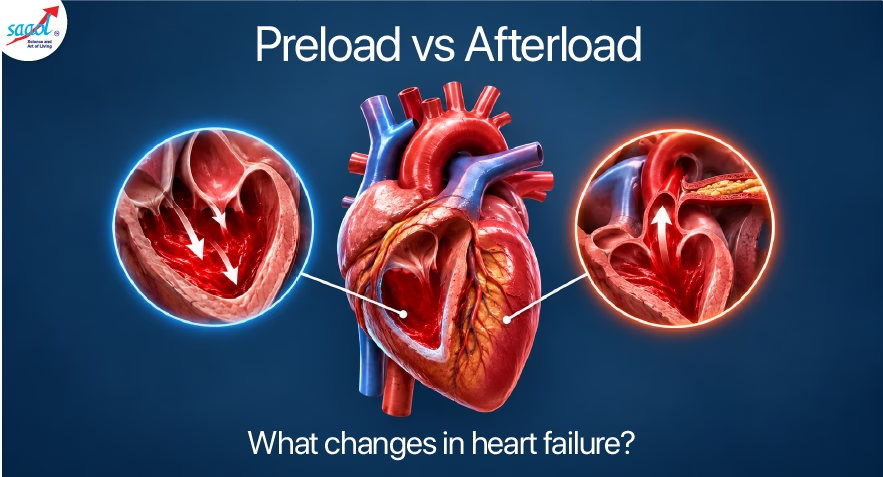
What Happens to Preload and Afterload in Heart Failure?
November 6, 2026Health Tips,Heart health
In heart failure, preload and afterload can change depending on how the heart fills and…
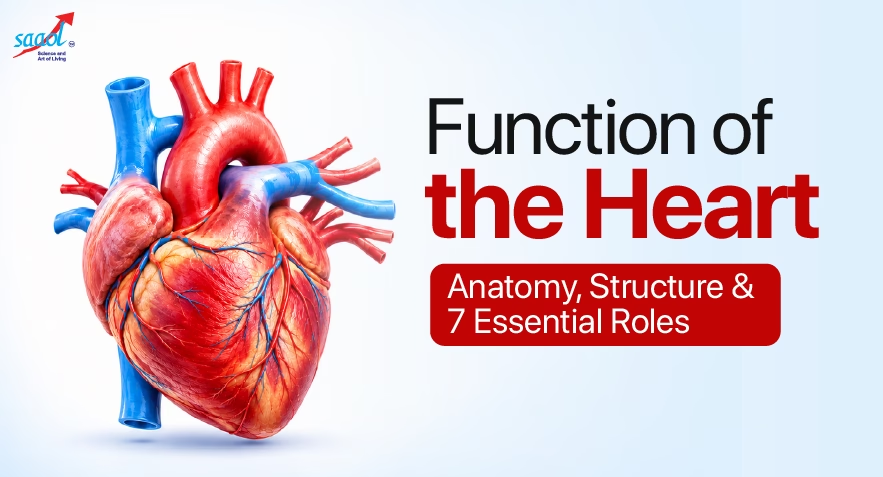
Function of the Heart: Anatomy, Structure and 7 Essential Roles
November 4, 2026All,Heart health
The main function of the heart is to pump blood throughout the body, delivering oxygen…
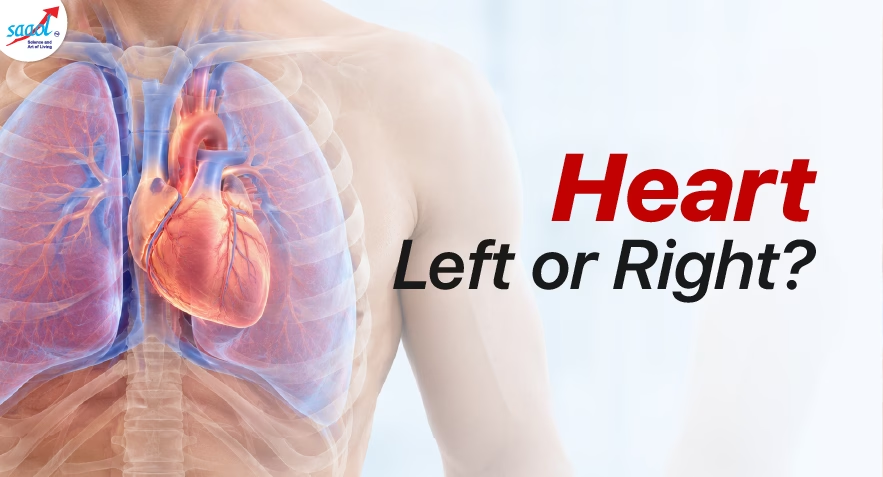
Heart Left or Right? Location, Structure, Parts and Function Explained
October 30, 2026All,Health Tips,Heart health
The heart is located in the chest, between the two lungs, behind the breastbone (sternum)…
What Happens to Preload and Afterload in Heart Failure?
November 6, 2026Health Tips,Heart health
In heart failure, preload and afterload can change depending on how the heart fills and…
Heart Left or Right? Location, Structure, Parts and Function Explained
October 30, 2026All,Health Tips,Heart health
The heart is located in the chest, between the two lungs, behind the breastbone (sternum)…
Normal Pulse Range by Age: What Does Your Heart Rate Mean?
October 28, 2026All,Health Tips,Heart health
The normal pulse range for most adults is 60–100 beats per minute at rest, including…

Oil-free Food: Can Your Favourite Meals Still Taste Good?
October 14, 2026All,Health Tips,Lifestyle
Yes,cooking without added oil can be one way to reduce calories and saturated fat, particularly…
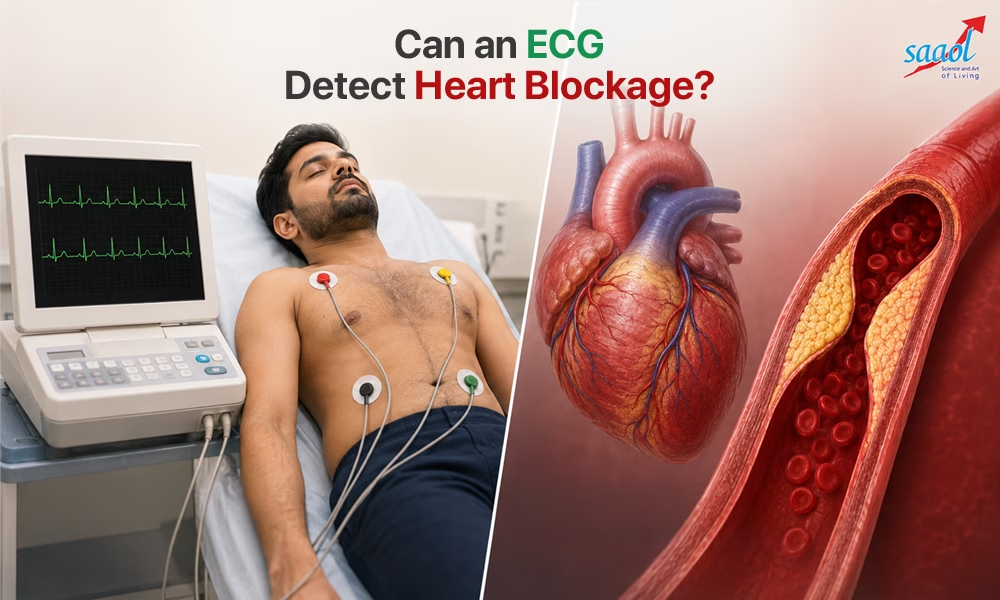
What Is an ECG? Can It Detect Heart Blockage? Uses, Results & Limitations
September 3, 2026Health Tips,Heart health,Lifestyle
An ECG records the heart’s electrical activity, but it does not directly show a blocked…
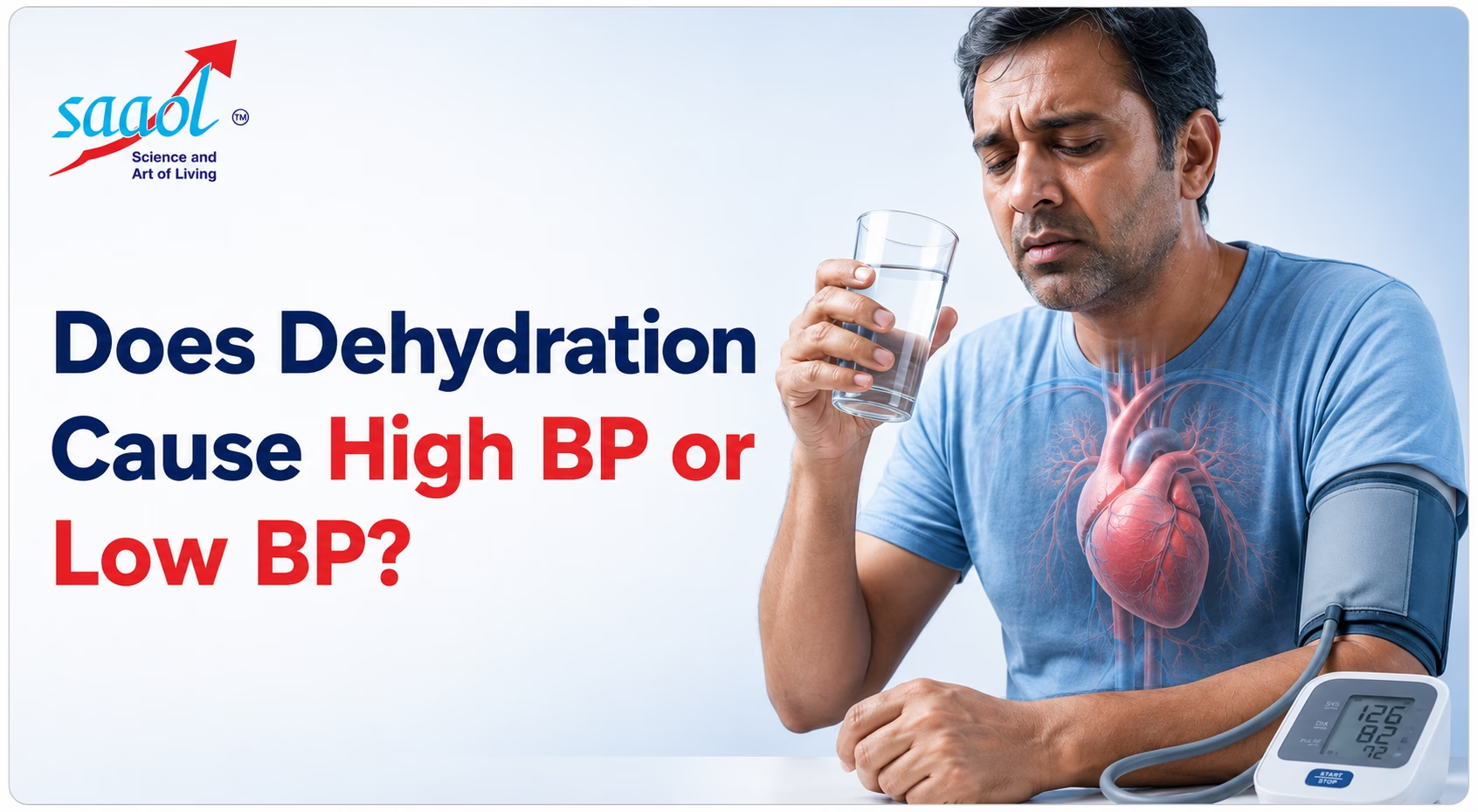
Does Dehydration Cause High Blood Pressure? What Your BP Is Really Telling You
August 10, 2026All,Health Tips,Lifestyle
No, dehydration is not a straightforward cause of high blood pressure When your body does…
What Happens to Preload and Afterload in Heart Failure?
November 6, 2026Health Tips,Heart health
In heart failure, preload and afterload can change depending on how the heart fills and…
Function of the Heart: Anatomy, Structure and 7 Essential Roles
November 4, 2026All,Heart health
The main function of the heart is to pump blood throughout the body, delivering oxygen…
Heart Left or Right? Location, Structure, Parts and Function Explained
October 30, 2026All,Health Tips,Heart health
The heart is located in the chest, between the two lungs, behind the breastbone (sternum)…


