

All
Does Dehydration Cause High Blood Pressure? What Your BP Is Really Telling You
No, dehydration is not a straightforward cause of high blood pressure When your body does not have enough water, the amount of blood circulating in your body can fall. This may cause low blood pressure. In some people, the body tries to compensate by making the heart beat faster and tightening the blood vessels, which can temporarily raise blood pressure.
If you have ever felt dizzy after spending hours in the heat, noticed your heart beating faster after a stomach infection or found an unexpected BP reading when you had barely drunk anything all day, dehydration could be part of the picture.
So, does dehydration cause high blood pressure, low BP, or both?
This article explains how dehydration affects blood pressure, why dehydration and hypotension are closely linked, whether dehydration can cause chest pain, and when you should speak to a doctor.
What Happens to Blood Pressure When You Get Dehydrated?
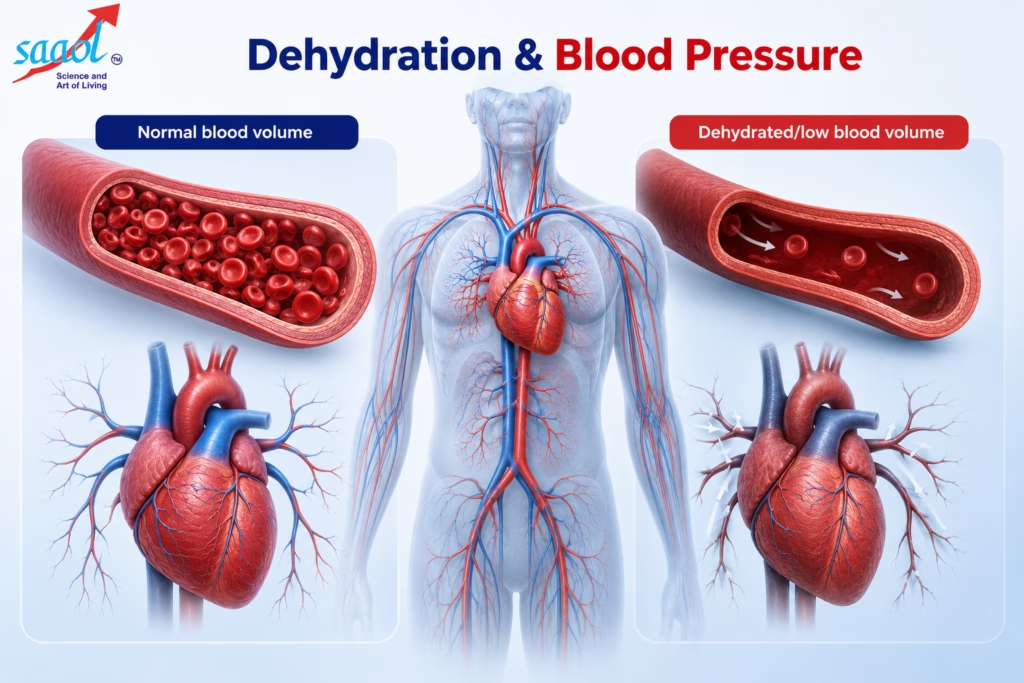
Your bloodstream needs enough fluid to circulate efficiently.
When you lose more water than you replace through sweating, fever, vomiting, diarrhoea or inadequate fluid intake, the amount of fluid circulating in your blood vessels can decrease. Doctors call a reduction in circulating volume hypovolemia.
With less blood returning to the heart, the heart may pump less blood with each beat. This can lower blood pressure. The body then tries to compensate by increasing heart rate, tightening blood vessels and conserving water.
| What dehydration changes | How the body responds | Possible BP effect |
| Circulating blood volume falls | Less blood returns to the heart | BP may fall |
| Sympathetic nervous system activates | Heart rate and blood-vessel constriction may increase | BP may be maintained or temporarily rise |
| Vasopressin* is released | Kidneys conserve water; blood vessels may constrict | Helps support BP |
| Fluid loss becomes severe | Compensation may become insufficient | Significant hypotension or shock can occur |
This is why dehydration does not produce exactly the same BP response in every person.
*Vasopressin is a hormone that helps the body retain water and support blood pressure.
Does Dehydration Cause High Blood Pressure?
Dehydration may temporarily contribute to a higher BP reading in some situations, but current evidence does not establish it as a straightforward cause of chronic hypertension.
When circulating volume falls, the nervous system becomes more active and the body releases vasopressin, also known as antidiuretic hormone. Vasopressin tells the kidneys to conserve water and can also contribute to blood-vessel constriction. These protective responses help maintain circulation when fluid is scarce.
In some people, those compensatory changes may mean BP remains normal or rises temporarily instead of falling.
That is different from having hypertension.
According to current American Heart Association guidance, blood pressure is classified using repeated measurements rather than one isolated reading. A single high reading, particularly during pain, stress, illness or dehydration, does not by itself establish chronic high blood pressure.
If your BP remains high after you are rested, hydrated and feeling well, keep a record of your readings and discuss them with a doctor.
Knowing how to monitor your heart health and blood pressure at home can help you record more reliable readings and recognise when it is time to speak with a doctor.
Why Are Dehydration and Low BP More Directly Connected?
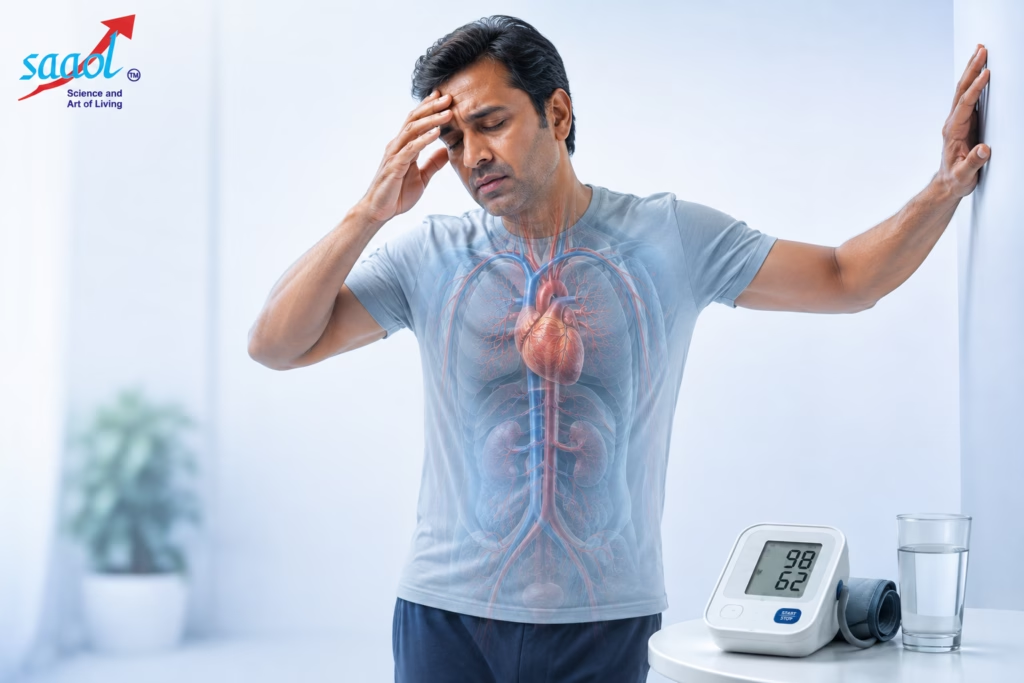
The relationship between dehydration and low BP is more straightforward.
When your body loses too much fluid, your circulating blood volume falls. As a result, the heart has less blood available to pump and your pressure can drop. The U.S. National Heart, Lung, and Blood Institute specifically lists dehydration among recognised causes of low blood pressure.
Common symptoms
- Dizziness
- Light-headedness
- Weakness
- Headache
- Palpitations
More serious symptoms
- Fainting
- Confusion
- Severe weakness
NHLBI describes blood pressure below 90/60 mmHg as low, although whether a particular reading is concerning depends on symptoms, your usual BP and the underlying cause.
Dehydration and Orthostatic Hypotension
Feeling dizzy when you suddenly stand up can be a sign of orthostatic hypotension. It means your blood pressure drops quickly after standing, and dehydration can make this more likely because your blood volume is lower. If this happens often or causes fainting, speak to a doctor.
Can Dehydration Cause Chest Pain or a Racing Heart?

No. Chest pain should never automatically be attributed to dehydration.
Dehydration can make the heart beat faster as the body tries to maintain circulation with less fluid available. Some people therefore notice palpitations, weakness, light-headedness or greater awareness of their heartbeat.
Chest discomfort can have many causes, including potentially serious heart conditions like heart attack or heart failure.
If symptoms such as chest pain, breathlessness or unusual fatigue keep returning, it is important to understand the difference between a heart attack and heart failure, as both can affect the heart in very different ways and may require proper medical evaluation.
🚨 Important:
Chest pain, especially with breathlessness, sweating, nausea, fainting or pain spreading to the arm, jaw or back, should be treated as a potential medical emergency rather than assumed to be dehydration.
Who Is More Likely to Experience Dehydration-Related BP Changes?
Some people are more likely to notice BP changes from dehydration, including:
- People who sweat heavily due to heat, exercise or outdoor work
- Those with vomiting, diarrhoea or fever
- People who fast or go long hours without water
- Those taking diuretic medicines
- People with heart or kidney conditions
If you fast for long hours, it is useful to understand how dehydration during dry fasting can affect heart health.
People with heart or kidney conditions should ask their doctor before changing their fluid or salt intake.
How Should You Rehydrate Safely?

For mild dehydration, drinking water slowly and regularly is usually enough. If you have lost a lot of fluid through vomiting or diarrhoea, an oral rehydration solution may help replace both water and electrolytes.
A few simple rules:
- Drink regularly instead of waiting until you feel very thirsty.
- Do not add extra salt just because your BP is low. Low BP can have many causes.
- If you have heart failure, kidney disease or have been advised to limit fluids, follow your doctor’s instructions.
Severe dehydration, persistent vomiting or worsening symptoms may need medical treatment.
When Should Dehydration or BP Changes Be Checked?
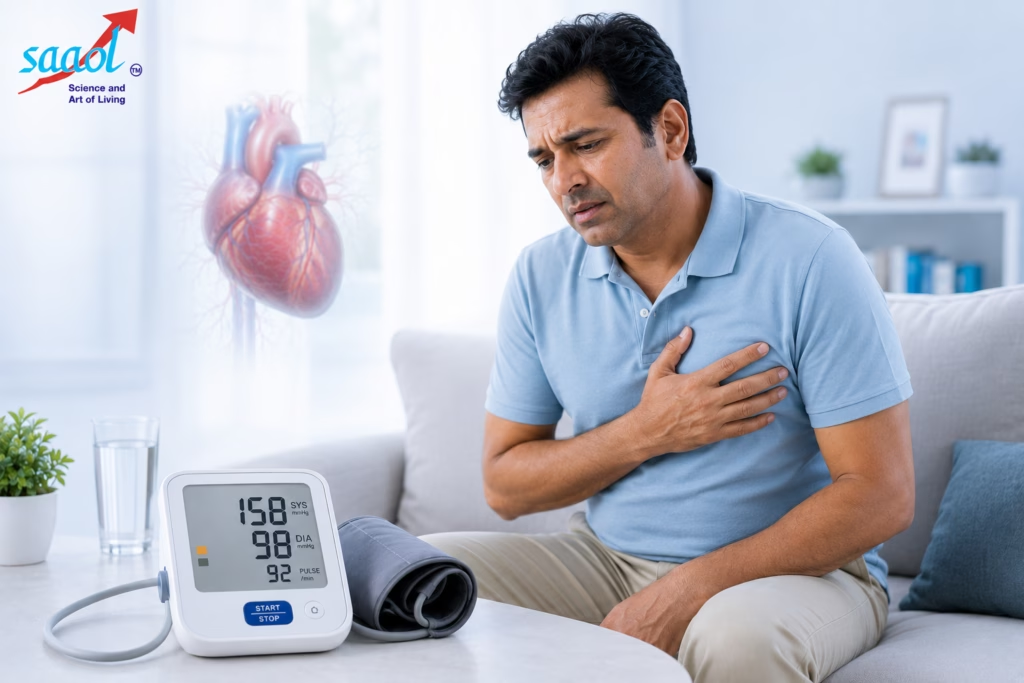
Speak to a doctor if you have repeated dizziness, fainting, very high or low BP, frequent palpitations, very little urine, severe weakness or symptoms that continue even after rehydration.
If you get one unusually high BP reading, rest for a few minutes and check it again. One reading alone does not always mean you have hypertension.
However, BP above 180/120 mmHg with chest pain, shortness of breath, weakness, numbness, vision changes or difficulty speaking needs urgent medical attention.
Recurring abnormal BP should also be properly evaluated rather than treated with water alone. Regular check-ups can help identify what may be causing these changes and why regular heart check-ups are important.
The Bottom Line: Hydration Matters, but BP Tells a Bigger Story
So, does dehydration cause high blood pressure? It can temporarily affect BP, but dehydration is more commonly linked with a fall in blood volume and low blood pressure. Your body may sometimes respond by increasing heart rate and tightening blood vessels, which can temporarily raise BP.
If your blood pressure keeps running high or low, or you repeatedly experience dizziness, fainting, palpitations or chest discomfort, a medical consultation can help determine whether your readings are related to fluid loss, medication effects or another cardiovascular or medical condition.
Book a consultation with SAAOL Heartcare Delhi for a proper heart and blood pressure evaluation.
FAQs
Q1. Can dehydration increase diastolic blood pressure?
Yes, dehydration may temporarily raise the lower blood pressure number in some people because the body tightens blood vessels to maintain circulation. But if your diastolic BP stays high, dehydration may not be the only cause and it should be checked by a doctor.
Q2. Can drinking water lower high blood pressure immediately?
Not reliably. Water corrects dehydration, but it is not an immediate treatment for hypertension. If repeated measurements remain high, they require proper assessment rather than simply increasing water intake.
Q3. How long can dehydration affect a blood pressure reading?
There is no fixed duration. It depends on the degree of dehydration, ongoing fluid loss, underlying health conditions and how effectively fluids and electrolytes are replaced. Persistent abnormal readings after recovery should be medically reviewed.
Q4. Can BP medicines make dehydration-related low blood pressure worse?
Some medications, including diuretics and other BP-lowering medicines, can contribute to low BP in susceptible people. Never stop a prescribed medicine yourself; discuss recurring dizziness or low readings with your prescribing doctor.
Q5. Is dark urine always proof that I am dehydrated?
No. Concentrated urine commonly occurs when fluid intake is low, but urine colour can also be affected by foods, medicines, supplements and medical conditions. It should be interpreted alongside thirst, urine frequency and other symptoms.
Q6. Can drinking too much water be harmful?
Yes. Excessive water intake can dilute sodium levels in the blood, while people with certain heart or kidney conditions may also need limits on fluid intake. Hydration advice should therefore be individualised when medical conditions are present.
Q7. Should I drink salt water when my blood pressure is low?
Not automatically. Low BP has many possible causes, and increasing sodium may be inappropriate for people with hypertension, heart disease or kidney problems. Treat the underlying cause rather than assuming every low reading requires more salt.
Disclaimer: This information is for educational purposes only and should not replace professional medical advice, diagnosis or treatment. Always consult a qualified healthcare professional about your symptoms. In case of emergency, seek medical help immediately. care rather than an outpatient consultation.
Book Appointment




In This Article
- What Happens to Blood Pressure When You Get Dehydrated?
- Does Dehydration Cause High Blood Pressure?
- Why Are Dehydration and Low BP More Directly Connected?
- Can Dehydration Cause Chest Pain or a Racing Heart?
- Who Is More Likely to Experience Dehydration-Related BP Changes?
- How Should You Rehydrate Safely?
- When Should Dehydration or BP Changes Be Checked?
- The Bottom Line: Hydration Matters, but BP Tells a Bigger Story
- FAQs
×
Request for a Call Back
Thank You! We'll get back to you shortly.