

All
We Love Samosa and Kachori but Does Our Heart Love Them Too?
In India, it doesn’t matter where you’re from or where you live. As the sun begins to dip and the craving for evening chai kicks in, whether in a busy office, at the market, or during a friend’s get-together, the same thought pops up: “Can we get samosas?
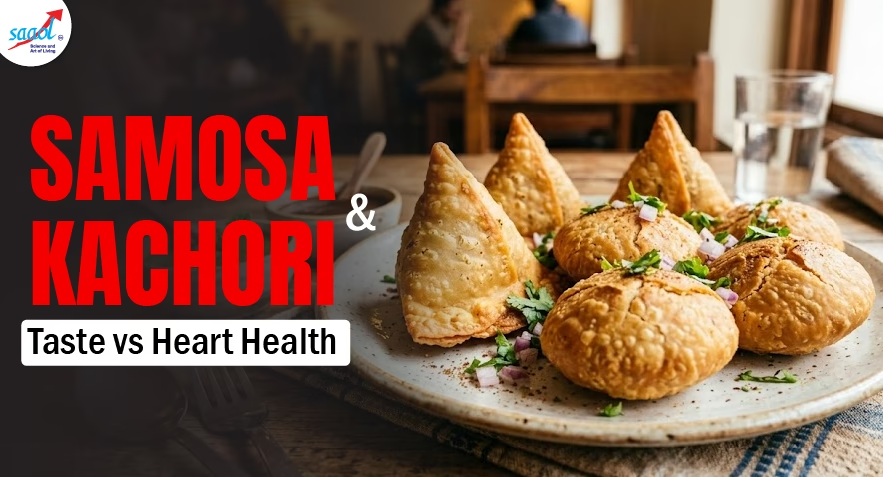
Samosa and Kachori are the true royalty of Indian street food and have become not just our favourite snacks but our emotions.
Do you want to know the scale of our obsession? The Business Standard estimated that Indians eat about 60 million samosas every day, and approx 21,000 crore a year!
But behind this craze lies a question we usually ignore: we love samosa and kachori but does our heart love them too?
The irony is that the treats we love the most may also be quietly putting our heart health at risk.
In this blog, we’ll explore whether samosas and kachoris are actually good for your heart, and how you can enjoy your favourite snacks without putting unnecessary stress on your heart.
Samosa and Kachori: Meet the Legends
Anyone can recognize a samosa from far with their unique triangular shape. They are deeply -fried, made with maida and stuffed commonly with potatoes, peas, or other vegetables.
On the other hand, a Kachori is round, deep-fried, crispy, stuffed with spiced lentils or fried onions.
Both are served with pudina or tamarind chutney.
Why We Can’t Say No to Samosa and Kachori?
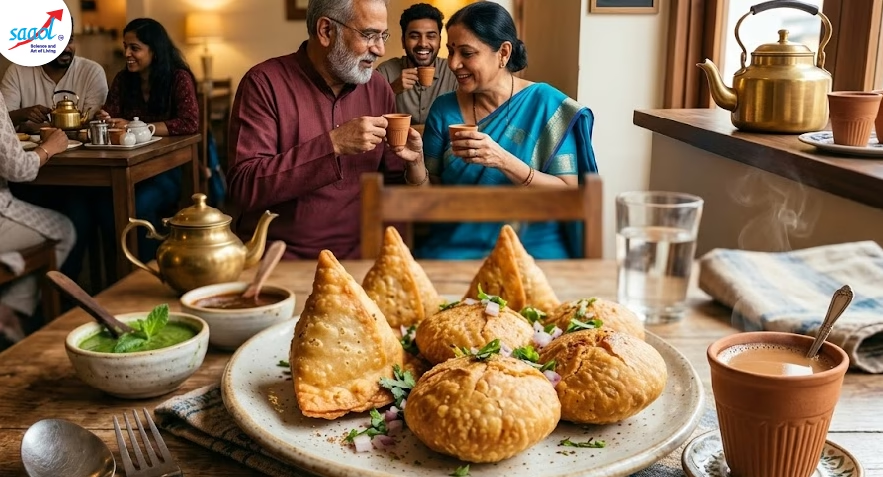
There will be very few who can refuse a hot samosa or a kachori. The aroma alone is enough to draw someone to a stall, even if they hadn’t planned on eating one.
Breaking down the reasons why we can not say no –
1. Mouth-Watering Taste
Samosa and kachori have a perfect mix of crispy, spicy, and flavourful taste. The crunchy outer layer with a soft, flavorful filling creates a combination that feels deeply satisfying.
2. Perfect Chai Time Companion
Samosa and kachori have become almost synonymous with evening tea in India.
3. Affordable and Filling
They are budget-friendly, satisfying, and filling and easily available, which makes them a popular snack for people across different age groups and income levels.
4. More Than Taste: The Emotion Behind Every Bite
Samosa and kachori are more than just snacks. They’re part of everyday emotions in India. They remind us of evening chai, chats with friends, and small happy moments.
Even their aroma can bring back memories of rainy evenings, school days, or train journeys, turning them into a simple ritual of comfort and togetherness.
What’s Inside Samosa and Kachori? Nutritional Breakdown
We all love a hot samosa or kachori, but have you ever thought what’s inside that crispy bite?
Let’s take a look at their nutritional value according to the USDA Food Data Central database.
*Nutritional values are approximate and may vary depending on size, ingredients, and cooking method.
Now we know what’s inside these snacks, the next to know whether they actually qualify as healthy food.
Does Our Heart Love Samosa and Kachori?
Superficially, samosas and kachoris do not look harmful. However, the problem lies in their ingredients and cooking methods, which make them snacks that should not be eaten too often.
Do Samosa and Kachori Pass the Healthy Food Test?
According to the World Health Organization and the Harvard Healthy Eating Plate model, a healthy diet should include whole grains, protein, healthy fats, fruits, and vegetables while limiting excess salt, sugar, and processed foods.
Samosa and kachori do contain some nutritious ingredients.
The potatoes provide carbohydrates for energy, lentils or dal offer some plant protein and fibre, and vegetables like peas and onions add vitamins and minerals.
The spices used in the filling may also help digestion and add antioxidants.
Does That Mean Samosa and Kachori Are Actually Healthy?
Here is the most important question. And the answer is, not quite. While samosa and kachori has some healthy components, the way samosas and kachoris are prepared often takes away most of those benefits.
What Makes Samosa and Kachori a Hidden Risk for Your Heart?
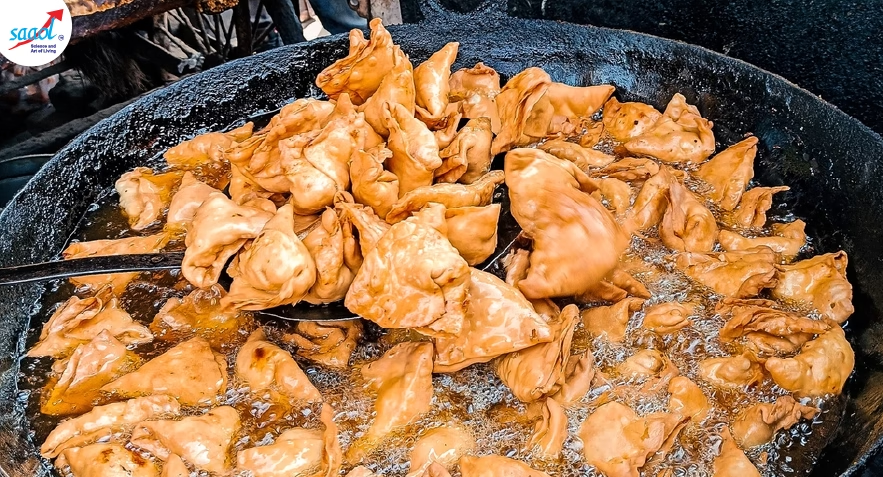
- Deep Frying
Deep-frying means exposure to high heat, causing them to absorb too much oil, which significantly increases their calorie and fat content and makes them heavy for the body and the heart.
- Refined Flour (Maida)
The outer layer is typically made from maida, a highly refined flour that is low in fibre and can cause quick spikes in blood sugar.
- Reused Cooking Oil
Street vendors often reuse oil multiple times, which can produce trans fats and harmful compounds linked to heart disease.
- High Sodium
The fillings and spices can sometimes contain high amounts of salt, which may contribute to high blood pressure if eaten frequently.
- Calorie-Dense but Not Nutrient-Dense
Despite being filling, samosas and kachoris provide a lot of calories without enough essential nutrients, making them more of an indulgence than a healthy food.
When foods are deep-fried at high temperatures, they can form harmful compounds such as trans fats and advanced glycation end-products (AGEs). These compounds are associated with inflammation, cholesterol imbalance, and increased risk of cardiovascular disease.
There’s More You Should Know
A study by the Food Control (An official scientific journal of the International Union of Food Science and Technology) says frying time is proportional to the TFA( trans fatty acids) content. The vessel where the snacks are made is continuously heated for hours, producing batch after batch.
The National Institute of Nutrition has also warned about the growing consumption of deep-fried snacks and its link to cardiovascular risk.
Similarly, the World Health Organization warns that diets high in trans fats, excess oil, and salt increase the risk of heart disease and high blood pressure.
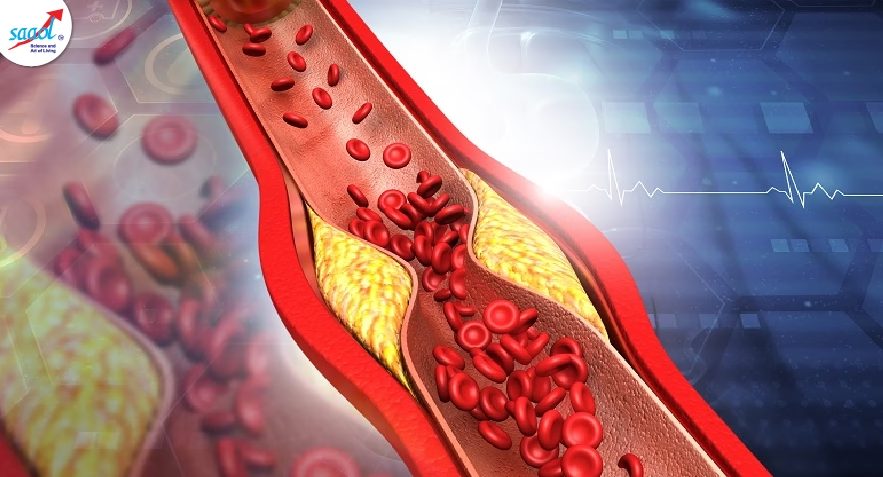
When we regularly eat foods cooked in a lot of oil or deep-fried oil, it can increase bad cholesterol (LDL) and reduce good cholesterol (HDL) in the body. This leads to fatty deposits building up inside the arteries, making it harder for blood to flow smoothly.
At the same time, eating too much salt can raise blood pressure, which forces the heart to work harder to pump blood. Over time, these effects can damage blood vessels and increase the chances of heart disease, heart attacks, and strokes.
ICMR dietary research highlights that the reuse of oil may increase the risk of cardiovascular diseases and metabolic diseases.
Who Should Be Extra Careful?
If you have pre-existing conditions like high cholesterol, diabetes, high blood pressure, obesity, or heart problems in your family, you should it’s better to lower the frequency of eating samosas and kachoris. You can have them occasionally for good.
Also limit them if you:
- Have heart disease or blocked arteries
- Are trying to lose weight
- Have fatty liver
- Are 40+ years old
- Live a sedentary lifestyle
How to Enjoy Samosa and Kachori Without Harming Your Heart
The good news is, you don’t have to completely give up your favourite snacks. A few simple habits can help you enjoy them while being kinder to your heart.
- Eat Occasionally
Treat them as an occasional indulgence, not a daily snack. - Control Portions
Limit yourself to one or share instead of eating multiple. - Choose Healthier Cooking
Prefer baked or air-fried versions when possible. - Balance Your Plate
Pair them with salad, fruits, or protein-rich foods. - Check the Oil
Choose places that use fresh oil. - Make Healthier at Home
Use whole wheat flour, more vegetables, and less oil.
The Final Insights
Samosa and kachori may win the battle of taste, but not the battle of health.
The key isn’t to eliminate samosas and kachoris. It’s to enjoy them mindfully. Limiting portion size, choosing healthier cooking methods, and maintaining an overall balanced diet can help you enjoy your favourite snacks without putting your heart at risk.
If you’re concerned about your heart health or cholesterol levels, you can always consult the experts at SAAOL Heartcare Delhi for guidance on protecting your heart while enjoying life’s little treats.
FAQs
Q1. How often can you safely eat samosas or kachoris?
Samosa and Kachori can be eaten occasionally, but daily is not advisable. They are deep-fried and high in calories, so eating them frequently can affect health. Enjoy them mindfully, in small portions, and balance them with healthier foods.
Q2. Is it better to eat a baked samosa instead of a fried samosa?
Yes, baked samosas are generally healthier than deep-fried ones because they are made with less oil. There is also no risk of reused oil or trans fats. If possible, use atta instead of maida for the outer layer.
Q3. Do samosas and kachoris cause weight gain?
Yes. Regular consumption of calorie-dense and fatty food, like samosa and kachori without balancing physical activity, and not balancing with healthier meals, can cause weight gain over time.
Q4. Are homemade samosas healthier than street-food samosas?
Yes. Homemade samosas can be healthier because at home, you add healthy ingredients, use better oil, and control portion size. Instead of maida, you can use whole-wheat flour and add more vegetables.
Q5. Are samosas and kachoris high in sodium?
Yes, many samosas and kachoris are high in sodium that comes from spices, salt, and chutneys. High sodium intake can increase the risk of high blood pressure, especially when you are eating them frequently along with other junks.
Q6. What are healthier alternatives to samosa and kachori for chai time?
Some healthier alternatives are roasted chana, vegetable cutlets made with less oil, baked samosas, sprouts chaat, or whole-grain sandwiches with vegetable filling. They provide better nutrition while satisfying evening snack cravings.
Book Appointment



In This Article
- Samosa and Kachori: Meet the Legends
- Why We Can’t Say No to Samosa and Kachori?
- What’s Inside Samosa and Kachori? Nutritional Breakdown
- Does Our Heart Love Samosa and Kachori?
- Do Samosa and Kachori Pass the Healthy Food Test?
- Does That Mean Samosa and Kachori Are Actually Healthy?
- What Makes Samosa and Kachori a Hidden Risk for Your Heart?
- There’s More You Should Know
- Who Should Be Extra Careful?
- How to Enjoy Samosa and Kachori Without Harming Your Heart
- The Final Insights
- FAQs
×
Request for a Call Back
Thank You! We'll get back to you shortly.