
All
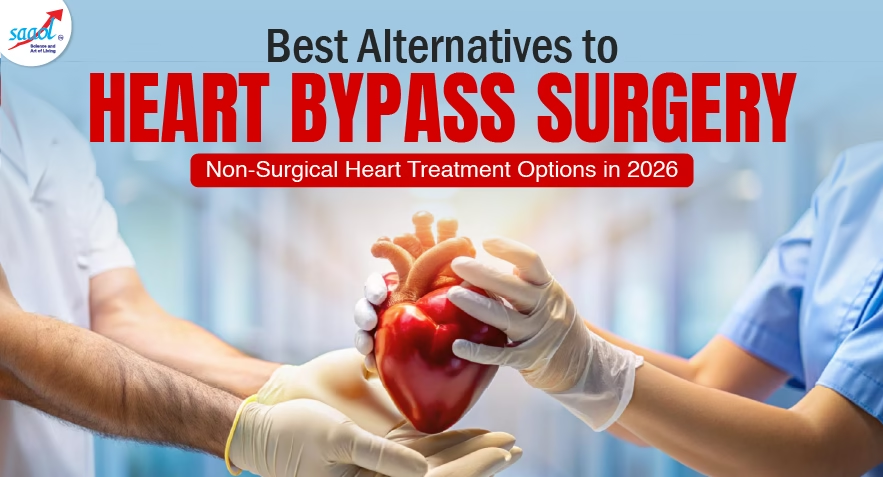
Best Alternatives to Heart Bypass Surgery in 2026
When a 58-year-old diabetic patient was told he might need immediate bypass surgery, his first reaction was fear. The idea of a major heart operation, long recovery, and possible risks left him completely shaken. His only question was, “Is surgery my only option?”
The truth is, not every heart patient needs immediate bypass surgery. In many cases, treatment depends on the severity of the blockage, symptoms, heart function, diabetes, and overall health. Today, many people are exploring heart treatment without surgery and through lifestyle-based approaches.
In this blog, we’ll explore alternatives to heart bypass surgery, including non-surgical EECP therapy, and how SAAOL Heartcare Delhi combines it with lifestyle management for long-term heart health.
What is Heart Bypass Surgery?
Heart bypass surgery, also called CABG (Coronary Artery Bypass Grafting), is a procedure that creates a new pathway for blood to flow around blocked heart arteries. It is commonly known as bypass surgery.
The heart gets blood through small vessels called coronary arteries. When these arteries become narrowed or blocked due to fatty deposits (plaque) buildup, blood flow to the heart reduces. This can lead to symptoms like chest pain, shortness of breath, and in severe cases, even a heart attack.
During bypass surgery, doctors use a healthy blood vessel from another part of the body to create a “bypass” route around the blocked artery so blood can reach the heart more easily.
According to the Indian Journal of Medical Research, approximately 60,000 coronary artery bypass grafting (CABG) surgeries are performed annually in India.
When Do Doctors Recommend Bypass Surgery?
Doctors may recommend a heart blockage surgery in situations like:
- Multiple severe blockages: Sometimes, more than one heart artery becomes heavily blocked. This makes it harder for oxygen-rich blood to reach different parts of the heart. When several arteries are affected together, the heart has to work much harder. Over time, this can increase the risk of chest pain, weakness, breathing difficulty, or even a heart attack.
- Left main artery disease: The left main artery is one of the heart’s biggest and most important arteries. It supplies blood to a large part of the heart muscle. If this artery becomes dangerously narrow or blocked, blood flow to the heart can drop quickly. This is considered serious because a major portion of the heart may not get enough oxygen.
- Uncontrolled symptoms: Some people continue having symptoms even after taking medicines or making lifestyle changes.
These symptoms may include:
- Chest pain or heaviness
- Shortness of breath
- Feeling tired very easily
- Difficulty walking or doing daily activities
When these problems become severe or begin to affect normal life, doctors may recommend bypass surgery to improve blood flow to the heart.
Does Every Heart Need Surgery?
Not always.
A blockage in your heart does not always mean you need immediate bypass surgery. The right treatment depends on how severe the blockage is , symptoms, blood flow to the heart, and the patient’s overall condition.
Doctors sometimes consider less invasive or non-surgical options before recommending a major heart blockage surgery if the patient is stable.
What Do Doctors Consider Before Recommending Surgery?
Doctors usually evaluate:
- Blockage percentage – How severely the artery is narrowed.
- Heart Blockage Symptoms – How severe the chest pain, breathlessness, fatigue, or reduced activity tolerance daily.
- Oxygen supply – Whether the heart is receiving enough blood and oxygen.
- Stress test findings – How the heart performs during physical activity.
- Heart pumping capacity – How well the heart is functioning.
- Age and health risks – Conditions like diabetes, kidney disease, or advanced age.
If these are considered stable and not immediately life-threatening, doctors may first explore less invasive or non-surgical treatment options.
Alternatives to Heart Bypass Surgery
Here are some alternatives to heart bypass surgery that may help some patients manage heart disease and improve blood flow instead of undergoing a heart blockage surgery.
1. Medications and Lifestyle Management
Doctors may first recommend medicines and lifestyle changes to help manage heart disease and reduce further artery damage. They include:
BP control – Reduces strain on the heart.
Diabetes management –Helps protect blood vessels from damage.
Cholesterol lowering – Reduces fat buildup in arteries.
Quit smoking – Supports healthier blood flow and oxygen supply.
Exercise – Improves circulation and heart function.
Stress management and sleep –Important for overall heart health and recovery.
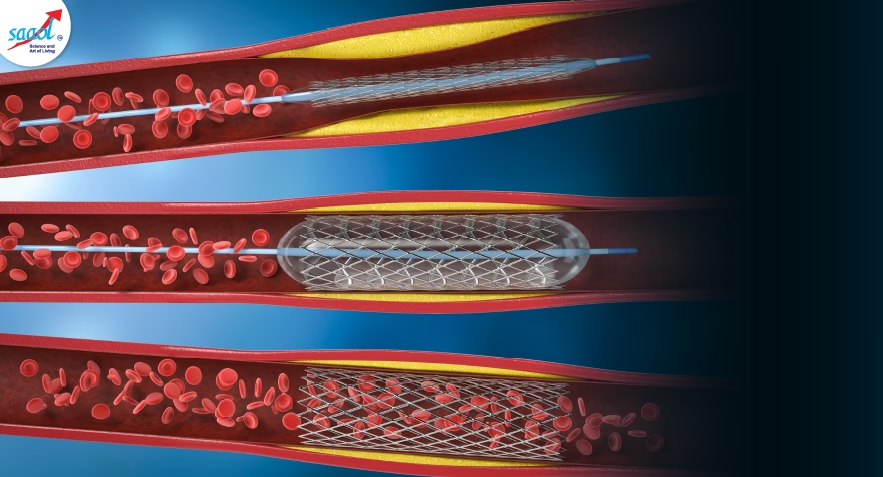
2. Angioplasty and Stenting
Angioplasty is a minimally invasive procedure used to improve blood flow in narrowed heart arteries without major open-heart surgery. In this treatment, doctors use a small balloon to open the blocked area and place a stent (a tiny mesh tube) to help keep the artery open.
Since it is less invasive than bypass surgery, recovery is usually faster and many patients feel relieved knowing it does not involve a large surgical cut. However, it may not be suitable for everyone, especially in patients with multiple or complex blockages.
In some cases, the artery can become narrow again over time, and future blockages may still develop if the root causes are not managed properly.
EECP Therapy: A Non-Surgical Heart Treatment Without Surgery
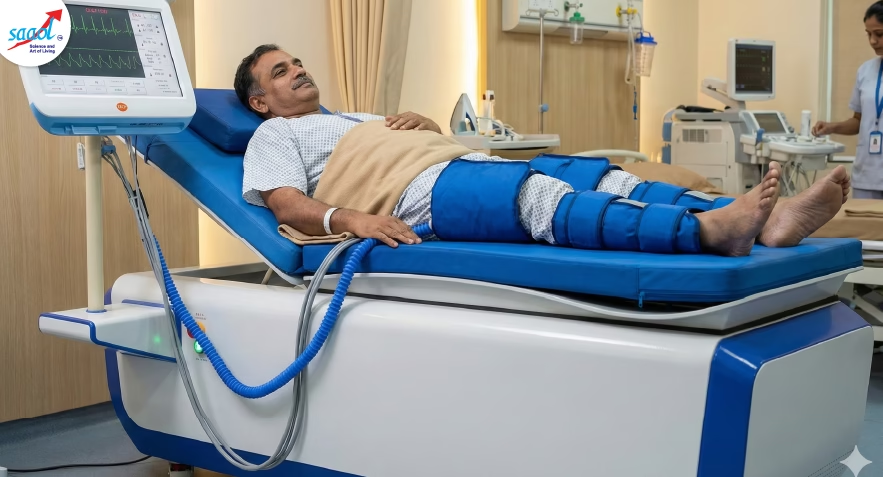
EECP (Enhanced External Counterpulsation) is a non-invasive treatment that improves blood flow to the heart without a single incision.
During this FDA-approved therapy, soft air cuffs are wrapped around the legs. These cuffs gently inflate and deflate in rhythm with the heartbeat. This helps push more oxygen-rich blood toward the heart naturally.
One of the most important benefits of EECP is that it may help the body develop tiny new blood vessels around blocked arteries. These are often called “natural bypasses” or collateral circulation. These small pathways can help blood reach areas of the heart that were not getting enough blood earlier.
It’s also vital to understand that EECP does not remove plaque directly from the arteries. Instead, it supports natural circulation, improves blood flow, and helps the heart receive better oxygen supply without surgery and helps reduce the symptoms.
Why Many Patients Are Exploring EECP Before a Heart Blockage surgery
Many patients explore EECP as a supportive non-invasive option because it is:
- Non-invasive – No surgery involved
- No cuts or anaesthesia – Performed externally on the body
- Outpatient-based – Patients can usually return home the same day
- Useful for high-risk patients – May be considered in patients not fit for major surgery
- Recovery-friendly – No long surgical recovery period
- Trust-worthy – FDA- approved and globally recognised
EECP can be an option for patients dealing with:
- Heart blockages
- Low heart pumping function
- Want to avoid surgery
- Are not fit for surgery
- Continue having symptoms even after angioplasty or bypass surgery.
How SAAOL Heartcare Combines EECP With Lifestyle-Based Heart Care
Choosing an alternative to bypass surgery is one thing. Choosing the right long-term approach is what truly matters. Even after bypass surgery or angioplasty, unhealthy lifestyle habits can continue damaging the arteries. That’s why effective heart care should also focus on the root causes behind heart disease.
At SAAOL Heartcare Delhi, EECP therapy is combined with lifestyle-focused heart care to support both circulation and also to prevent the root cause of heart diseases. The approach includes:
- EECP therapy
- Lifestyle modifications
- Zero-oil cooking
- Allopathic medicine and supplements
- Saaol Detox-therapy
To understand whether EECP is suitable for you, book a consultation with SAAOL Heartcare Delhi.
Book Appointment Call NowWho May Be Suitable for Heart Treatment Without Surgery?
Non-surgical heart treatment options may be considered in patients including:
Early-stage coronary artery disease – When blockages are present but may still be managed conservatively.
Stable angina – Patients with manageable chest pain or discomfort during activity.
Patients unfit for surgery – Those with higher surgical risks due to age or other comorbidities.
Elderly patients – Patients looking for less invasive treatment approaches.
Recurrent symptoms after procedures – Patients who continue experiencing symptoms even after angioplasty or bypass surgery.
Patients looking for supportive therapy – Those exploring therapies that support circulation, recovery, and lifestyle improvement.
When Surgery Should Not Be Delayed
While some patients may explore non-surgical options, there are situations where urgent surgery or immediate medical treatment may be necessary to protect the heart and prevent serious complications.
This may include:
- Severe left main artery blockage
- Emergency heart attack situations
- Unstable symptoms like ongoing chest pain or sudden breathlessness
- Major multi-vessel disease
- Severely reduced heart-pumping function
Final Insights
Choosing bypass surgery or an alternative depends on various factors, but choosing the right approach that suits the current health condition matters even more. Heart disease is often strongly linked to lifestyle habits, which is why lifestyle modification remains crucial even after bypass surgery or angioplasty.
Booking a consultation at SAAOL Heartcare Delhi can help you understand whether combined EECP and lifestyle-focused heart care may be a suitable option for your condition and long-term heart health.
FAQs
Q1. Is EECP therapy approved and safe?
Yes. EECP is FDA-approved and recognised by the American Heart Association and American College of Cardiology for treating refractory angina. It involves no surgery, no needles, and no anaesthesia, making it one of the safest non-surgical cardiac therapies available today.
Q2. How long does EECP therapy take, and when do patients see results?
A standard EECP therapy course usually consists of 40 sessions over 7–8 weeks. Many patients gradually notice improved energy levels, reduced chest discomfort, and better breathing during or after the treatment course. The benefits may last for several years, especially when combined with consistent lifestyle changes.
Q3. Are there patients for whom EECP is NOT suitable?
EECP may not be recommended for patients with severe aortic valve insufficiency, active blood clots in legs (DVT), uncontrolled high blood pressure, severe peripheral artery disease, certain arrhythmias, or pregnancy. A thorough cardiac evaluation is essential before beginning treatment.
Q4. Can diabetic patients undergo EECP therapy?
Yes, many diabetic patients explore EECP as a supportive non-surgical therapy. Since diabetes can affect blood vessels and circulation, improving blood flow may help support overall heart health in selected patients.
Q5. What is the difference between open-heart surgery and bypass surgery?
Open heart surgery is a broad term that includes different heart surgery like valve surgery, congenital defect repair, and bypass surgery. Bypass surgery is one specific type of open-heart surgery mainly performed to create a new route for blood flow around blocked heart arteries.
Q6. What should you do before agreeing to bypass surgery?
Before deciding on bypass surgery, you should understand whether the condition is an emergency or not. Get a second opinion or even a third and discuss non-surgical or less invasive alternatives with a heart specialist.
Book Appointment

In This Article
- What is Heart Bypass Surgery?
- When Do Doctors Recommend Bypass Surgery?
- Does Every Heart Need Surgery?
- What Do Doctors Consider Before Recommending Surgery?
- Alternatives to Heart Bypass Surgery
- 1. Medications and Lifestyle Management
- 2. Angioplasty and Stenting
- EECP Therapy: A Non-Surgical Heart Treatment Without Surgery
- Why Many Patients Are Exploring EECP Before a Heart Blockage surgery
- How SAAOL Heartcare Combines EECP With Lifestyle-Based Heart Care
- Who May Be Suitable for Heart Treatment Without Surgery?
- When Surgery Should Not Be Delayed
- Final Insights
- FAQs
×
Request for a Call Back
Thank You! We'll get back to you shortly.