
All
Success Rate of Non-Surgical Heart Treatment in India: Does EECP Really Work?
When Ramesh, a 58-year-old from Delhi, was told that his heart was pumping at only 25% efficiency and that bypass surgery was his only option, he felt the ground slip beneath his feet. His family was terrified. The risks, the cost, and the long recovery all felt overwhelming.
Then, a friend told him about EECP Therapy.
Within 40 days, Ramesh’s chest pain had reduced, his energy had returned, and his heart’s pumping function had improved, without a single incision.
Stories like his are becoming increasingly common across India, and for good reason.
This blog is a guide for people who are unsure about the success rate of non-surgical heart treatments in India and therefore, feel hesitant or fearful about choosing therapies like EECP.
Also, if you or your loved one is scared of surgery, this blog may help you discover a safer, hopeful alternative.
What are non-surgical Heart Treatments?
Non-surgical heart treatments are approaches that improve heart health without any cuts, operations, or anaesthesia. They are used when surgery is too risky, not yet needed, or when a patient chooses a safer first option.
The main non-surgical options available in India include:
- Medications: blood thinners, cholesterol tablets, BP medicines
- Lifestyle changes: heart-healthy diet, exercise, stress management, quitting smoking
- EECP Therapy: improves blood flow to the heart using external cuffs, with no surgical procedure involved.
- Cardiac Rehabilitation: supervised exercise and recovery programmes
- Yoga & Detox Programmes: reduce stress, improve overall heart function naturally
Among these, EECP is one of the few non-surgical therapies designed to improve blood flow to the heart naturally.
Why Are More Indians Looking Beyond Surgery?
Heart disease is India’s single biggest health challenge. A Study published by ELSEVIER says cardiovascular disease accounts for nearly 28% of all deaths in India, with lifestyle factors like poor diet, stress, and inactivity fuelling this crisis.
Yet for millions of patients, surgery is not an easy choice. Open-heart surgery comes with serious risks like infections, complications, long hospital stays, and costs that can be huge. Long-term side effects are additional. Many patients are too elderly, have comorbidities, or are scared of surgery.
So, having an alternative to Bypass Surgery can make a real difference for many patients.
The good news? You have a non-invasive heart treatment option too.
What is EECP?
EECP stands for Enhanced External Counterpulsation. The name may sound complicated, but the idea behind it is actually simple and natural.
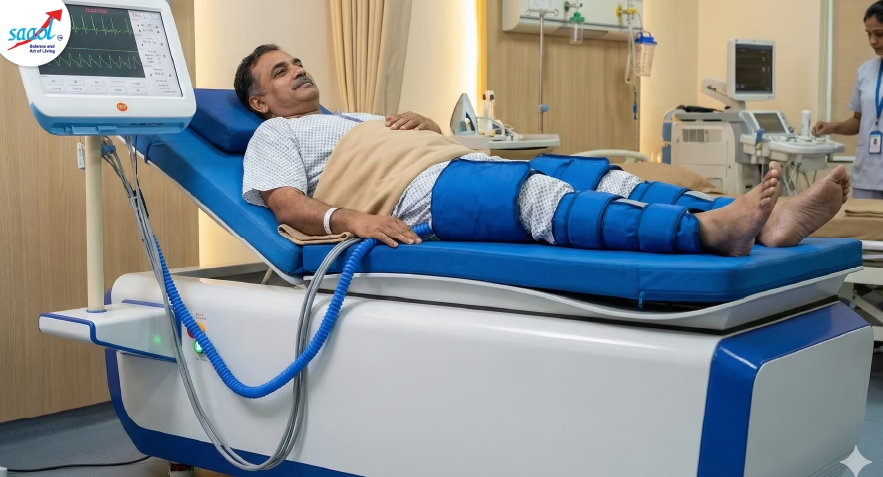
EECP is a non-invasive therapy that improves blood flow and cardiac function. It involves wrapping inflatable cuffs around the legs and buttocks, which inflate and deflate in sync with your heartbeat.
Think of it like a gentle, rhythmic squeeze of your legs that pushes extra blood up toward your heart, at exactly the right moment when the heart needs it most. Over time, this helps the heart build new, natural bypass channels (called collateral blood vessels) on its own.
You lie on a comfortable bed, fully clothed from the waist down. A natural bypass treatment session lasts about an hour. No needles, no cuts, no anaesthesia, nothing invasive whatsoever.
What Does a Full EECP Course Look Like?
A complete course of EECP treatment typically consists of 40 sessions, each lasting about one hour. Sessions are scheduled 5 to 6 days a week, meaning the full treatment wraps up in roughly 6 to 8 weeks.
There is no hospitalisation needed. Patients come in the morning, complete their session, and go home or even to work. No recovery period. No lifestyle disruption.
FDA-approved EECP is a non-surgical procedure that has better results, is less expensive, and carries no risk of bleeding or downtime. All of which make it particularly suitable for patients who are older or managing multiple health conditions alongside their heart disease.
What Does “Success Rate” Really Mean in EECP Therapy?
When most people hear a higher success rate, they immediately think complete cure, no more medicines, and a heart back to normal. That is not what it means and being honest about this actually makes the results more meaningful.
In EECP, success means measurable, real-life improvement:
- Fewer chest pain episodes
- Heart pumping better than before
- Able to walk further or climb stairs without stopping
- Sleeping better, feeling more energetic
- Reduced need for daily medication
- Avoiding or delaying bypass surgery
If even three or four of these improve, that is a clinically successful outcome.
Success in heart care does not always mean a perfect report. Sometimes it simply means a 65-year-old getting his life back, without surgery.
That counts.
So what do clinical studies and real-world patient outcomes actually show?
EECP Success Rate in India: The Numbers That Matter
Here’s what the data says about EECP outcomes and it’s encouraging.
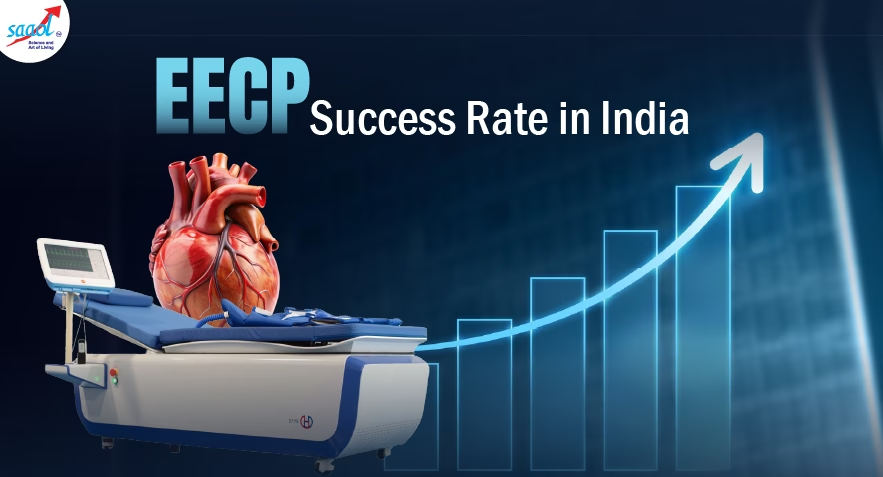
EECP treatment provides relief from symptoms and improves quality of life for almost all patients, with success rates ranging from 88% to 95%.
According to the National Library of Medicine, 85% of patients undergoing EECP treatment experienced at least a 1-point improvement in CCS angina class.*
A study published in PMC has shown that EECP therapy may improve heart-pumping function (left ventricular ejection fraction or LVEF) in patients with heart failure.
Also, a research article published by ResearchGate reported improvement in average LVEF from 31% to 38% following EECP therapy, a non-invasive heart treatment. This suggests that EECP may help improve the heart’s pumping efficiency and overall functional capacity in some patients.
According to Clinical Medical Research, after completing 40 sessions of EECP Therapy, patients who respond well commonly report improved anginal symptoms and exercise tolerance, and reduced nitroglycerin use in patients with chronic stable angina.
Who Is EECP Best Suited For?
EECP can help many types of heart patients, especially those who:
- Have been advised bypass surgery or angioplasty but want a safer, non-surgical option
- Still experience chest pain even after a stent or bypass surgery
- Are not fit for surgery due to age, diabetes, kidney disease, or other health conditions
- Have low heart pumping function (low ejection fraction)
If surgery feels risky or overwhelming, EECP may be worth discussing with your doctor.
EECP vs. Bypass Surgery vs. Angioplasty: A Simple Comparison
| Factor | EECP | Bypass Surgery | Angioplasty |
|---|---|---|---|
| Invasive? | ✓ No | ✕ Yes (Open-Heart Surgery) | Minimally Invasive |
| Hospitalisation | None | 1–2 Weeks | 1–2 Days |
| Risk of Complications | Very Low | High | Moderate |
| Recovery Time | None | 6–12 Weeks | 1–2 Weeks |
| Success Rate / Symptom Improvement | 88–95%* | Approx. 85% (5 Years) | 85–90% (5 Years) |
| Longevity of Results | 5–7 Years with Lifestyle Management |
10–15 Years if Grafts Remain Open |
5–10 Years with Lifestyle Management |
| Anaesthesia Needed | No | General Anaesthesia | Local Anaesthesia + Sedation |
*EECP success rates generally refer to symptom relief, improved exercise tolerance, and quality-of-life improvement reported in clinical studies. Choosing an experienced EECP centre is equally important for achieving the best possible outcomes.
SAAOL Heartcare: A Trusted Name
Founded in 1995 by Dr Bimal Chhajer (MBBS, MD, Ex-Consultant, AIIMS New Delhi), SAAOL Heartcare has spent over 30 years caring for more than 7 lakh patients through its integrated, safer, non-invasive approaches to heart care.
What makes SAAOL’s model unique is that EECP therapy is not used in isolation. The treatment is combined with medically guided lifestyle management, including personalised dietary counselling, focusing on zero-oil cooking, supervised exercise, stress management, yoga, detox therapy and medicinal support.
This combined approach aims not only to improve blood flow and reduce symptoms like chest pain and fatigue, but also to prevent the root cause by addressing lifestyle factors that contribute to heart disease in the first place.
According to Dr. Bimal Chhajer, Founder of SAAOL Heartcare Delhi “EECP is not a replacement for bypass in all patients, but it’s a godsend to those who can’t undergo surgery. It gives relief, improves stamina, and supports recovery.”
If you or your loved one is exploring alternatives to surgery, consulting our experienced EECP team can help you understand whether this treatment may be suitable for your condition.
The Takeaway: Your Heart Is Not Out of Options
Heart disease itself is a matter of worry. But treatment decisions should never be made out of fear alone. While bypass surgery can be necessary in some cases, it also comes with real risks like complications, bleeding, long recovery, and physical strain, especially for elderly or high-risk patients.
That is why many people today are exploring safer, non-invasive options like FDA-approved EECP therapy.
If you or your loved one has been advised to undergo bypass surgery or angioplasty, book a consultation with the SAAOL Heartcare Delhi and understand all your options before making a decision and give your heart the second chance it deserves.
FAQs
Q1.What is the best low ejection fraction treatment?
Low ejection fraction treatment depends on how weak the heart is and what is causing the problem. Doctors may recommend medications, lifestyle changes, exercise, and therapies such as EECP to improve blood flow and support heart function. In many patients, proper treatment can help reduce symptoms, improve stamina, and support better daily living.
Q2. Is EECP an alternative to bypass surgery?
Yes. EECP may help patients who are unable or unwilling to undergo bypass surgery, or for whom surgery is not medically advisable. It is a non-invasive therapy that improves blood flow, reduces angina symptoms, and improves quality of life. However, the suitability depends on the patient’s heart condition, which a qualified cardiologist evaluates.
Q3. How does EECP create a natural bypass?
EECP therapy helps improve blood flow to the heart by encouraging the formation of small alternate blood vessels, known as collateral circulation or “natural bypasses.” These new pathways may help deliver more oxygen-rich blood to heart muscles without surgery or stents.
Q4. What is the cost of EECP treatment in India?
The cost of EECP treatment in India usually depends on the city, centre, and the patient’s condition. In most cases, it is significantly more affordable than bypass surgery and does not involve hospitalisation, ICU stay, or long recovery expenses.
Q5. How effective is EECP as a heart blockage treatment?
EECP can be highly effective for those with stable blockages, chest pain, or poor circulation. It improves blood flow by helping the body develop natural bypass, reducing symptoms like angina and fatigue. Combined with lifestyle changes, EECP may improve heart function and long-term quality of life.
Book Appointment

In This Article
- What are non-surgical Heart Treatments?
- Why Are More Indians Looking Beyond Surgery?
- What is EECP?
- What Does a Full EECP Course Look Like?
- What Does “Success Rate” Really Mean in EECP Therapy?
- EECP Success Rate in India: The Numbers That Matter
- Who Is EECP Best Suited For?
- EECP vs. Bypass Surgery vs. Angioplasty: A Simple Comparison
- SAAOL Heartcare: A Trusted Name
- The Takeaway: Your Heart Is Not Out of Options
- FAQs
×
Request for a Call Back
Thank You! We'll get back to you shortly.