

All
Swollen Feet and Ankles: Causes, Heart Link & When to See a Doctor
Prakash, 52, commutes to work by train every day. Life was normal, until it wasn’t. He put on his shoes in the morning and everything felt fine. But by evening, the same shoes felt tight.
He pulled off his socks and saw deep marks in his skin. He pressed a finger into his ankle. The dent just stayed there.
This did not happen for one day; it repeated for 2 weeks. Then he understood that the body was actually signaling that something was not right.
Are you or your loved one experiencing any such swelling? Then you are at the right place.
This blog will walk you through the real reasons for swollen feet, why you should take them seriously, how the heart plays a central role, and how a treatment called EECP is helping people like Prakash get their lives back.
What are swollen feet and ankles?
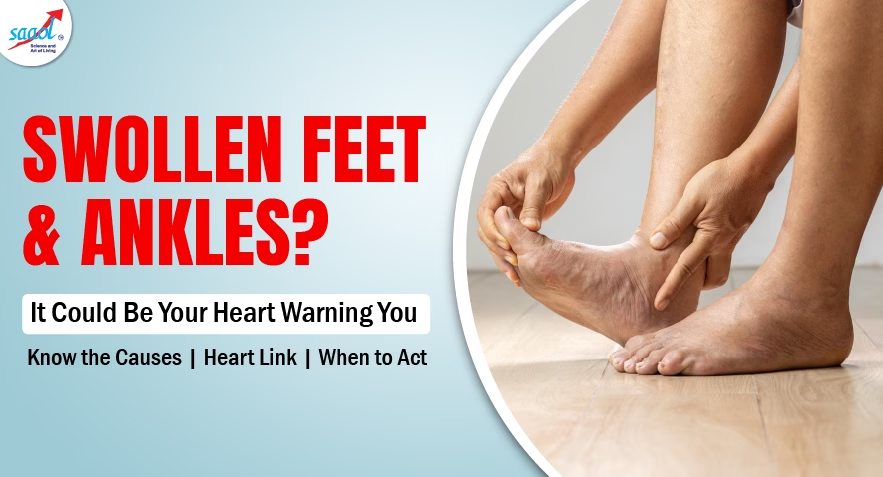
Swollen feet and ankles are a condition where the ankles and feet swell up because of fluid building up. This results in heaviness, discomfort, and difficulty in moving or walking.
This condition is known as edema in medical terms.

What Causes Swollen Ankles & Feet?
Swollen ankles and feet can occur from certain health conditions or lifestyle habits. Let’s discuss those one by one.
Heart Failure: The Major Cause
The major medical cause for swelling in the feet and ankles is Heart failure.
Heart failure is a long-term condition where the heart becomes weak or stiff and struggles to pump blood.
According to ICMR, about 1.3 to 4.6 million people in India are living with heart failure, and the number is expected to increase due to rising risk factors such as hypertension, diabetes, and aging population
When the heart cannot pump blood properly, fluid accumulates in the lungs, legs, feet, or abdomen, leading to swelling (cardiac edema). This is a common sign of heart failure, as noted by the AHA.
This can cause symptoms such as chest pain, shortness of breath, sudden weight gain, unusual tiredness, and other related problems.
How Heart Failure Causes Swelling in the Feet and Ankles?
When someone has heart failure, the heart becomes weak and cannot pump blood efficiently. The blood flow reduces and they stay in the vein. This pressure pushes fluid out of the blood vessels and into nearby body tissues. When this extra fluid collects in areas like the feet, ankles, or legs, it causes swelling, which is called edema.
Other Causes of Swollen Feet
Feet swelling does not always occur because of heart failure. There are other reasons, such as-
-
- Prolonged Medication Use: Some medicines, such as blood pressure drugs (calcium channel blockers), steroids, and certain antidepressants, can cause fluid retention as a side effect, leading to swollen feet and ankles
- Sitting or standing for prolonged hours: This is common in people who travel, work at a desk, or stand on their feet all day. No movement can cause blood to accumulate in the lower legs.
- Eating too much salt: Salt already causes water retention. Eating too much salt causes extra fluid in the body, which can cause swelling in the feet.
- Injury: If your leg is injured for any reason, you will notice swelling around the injured area.
- Blood clots: A blood clot in a leg vein (called deep vein thrombosis or DVT) can cause one leg to swell. The area might be bluish, red or black. You must seek medical help in this situation.
- Vein problems: When the veins in your legs do not work well (venous insufficiency), it can cause swelling.
- Pregnancy: During pregnancy, the body holds more fluid and the growing baby puts pressure on blood vessels. This can lead to swollen feet and ankles.
- Kidney disease: The kidneys help remove extra fluid from the body. If they do not work properly, fluid can build up and cause swelling in the feet and ankles.
- Liver disease: The liver helps control fluid balance in the body. When it does not work properly, fluid may collect in the legs, feet, or ankles.
- Being overweight: Extra body weight puts pressure on the veins in the legs, making the circulation poor and when blood can not return to the heart, fluid accumulation can occur.
Not sure what’s causing your swollen feet?
If the edema persists for a longer time or is getting worse, it may be time to check your heart health.
Book a consultation with the experts at Saaol Heartcare Delhi to understand the real cause and get the right treatment plan.
Book Appointment Call NowHow to Treat Edema in Ankles & Feet?
Swelling in the feet and ankles can happen for many reasons, as we discussed in the previous section.
For mild swelling, you can follow these steps-
- Raise your feet: You can lie down near wall and keep your legs up supporting the wall. Do this for 30 minutes, a few times a day.
- Increase your movement: Walking helps pump blood back up from the legs to the heart. Even short walks every hour can help if you sit for long periods.
- Reduce salt intake: Now you are aware that salt causes water retention in the body. Eat less salty food.
- Drink enough water: It may seem strange, but drinking enough water actually helps your body get rid of extra fluid. When you are dehydrated, your body holds on to water.
- Follow your doctor’s plan: If a doctor has given you a treatment, like water pills (diuretics) for heart failure, take it as directed. Never stop medicines on your own.
But if the swelling is severe or the reason is serious like heart failure, a medical treatment is needed.
Treatment Options for Swelling in the Feet Caused by Heart Failure
If swelling is due to heart failure, doctors recommend treatments like-
Diuretics (water pills) – help the body remove excess fluid
- Salt restriction – reduces fluid retention
- Heart medications – improve the heart’s pumping ability
- Regular monitoring of weight and symptoms
For heart failure, doctors usually focus on improving heart function and reducing fluid buildup.
EECP can be the safest alternative for patients with heart failure to improve blood circulation and support heart function.
When Should You See a Doctor?
Here are six signs that mean the swelling needs a doctor’s attention, not just a good night’s rest.
1. Sudden swelling without reason
If your feet or ankles puff up very quickly within hours and you do not find any specific reason, do not wait. Sudden swelling is a blood clot or a heart problem most of the time.
2. Chest pain or tightness
Swollen feet plus chest pain is a combination you must never sit on. It could be a sign of a heart attack or a serious heart condition.
3. Swelling with trouble breathing
If your feet are swollen and you also feel short of breath, especially when lying down or climbing stairs, this is a serious warning. It can mean your heart is not pumping well and fluid is building up in your lungs too. This needs emergency care.
4. Only one foot or leg is swollen
When both feet swell, it is usually a whole-body issue. But if only one leg is puffy, red, or warm, that is different. It could be a blood clot deep in the vein (called DVT). A blood clot can travel to the lungs, which is life-threatening. Get it checked the same day.
5. Gaining weight very fast
If you put on 1–2 kg in just a day or two, without eating more, your body is holding extra fluid and it usually means your heart needs help managing fluid in the body.
6. Skin that is red, warm, or painful
Normal swelling does not hurt much. But if the skin over your swollen foot or ankle looks red, feels hot to the touch, or is painful, it could be an infection or a clot. Both need treatment quickly before they get worse.
How do doctors diagnose the cause of Swollen Feet?
Doctors usually begin with a physical examination and medical history. They may press the swollen area to check if it leaves a dent, a sign called pitting edema.
To find the underlying cause, doctors may recommend tests such as:
- Blood tests – to evaluate kidney, liver, and heart function
- Echocardiogram – an ultrasound test to evaluate heart pumping ability
- Chest X-ray – to detect fluid buildup in the lungs
- Ultrasound of the legs – to find out blood clots (DVT)
These tests help doctors determine whether the swelling is caused by heart failure or other conditions.
How EECP Therapy Helps in Reducing Swelling in Feet & Ankles?
EECP (Enhanced External Counterpulsation) is a non-invasive therapy that improves circulation. During EECP therapy, you lie comfortably on a treatment bed while cuffs wrapped around your legs gently inflate and deflate in rhythm with your heartbeat. This helps push oxygen-rich blood back toward the heart and improves circulation.
Over time, it may promote the growth of tiny new blood vessels, often called a “natural bypass,” helping reduce symptoms like swollen feet, breathlessness, and fatigue linked to heart failure.
Dr. Vishal Sharma from SAAOL Heartcare Delhi says “EECP with lifestyle changes can make a big difference in reversing heart diseases.”
Key Takeaway
You might ignore swollen feet thinking it’s just tiredness or long hours of standing. However, you might be correct if it goes within some days, but persistent swelling can sometimes be an early sign of heart failure.
Paying attention to these signals can help you seek care in time.
FAQs
Q1. How do you know if swollen feet are heart-related?
Heart-related swelling may also come with symptoms such as chest pain, coughing, fatigue, palpitations (fast or irregular heartbeat), and shortness of breath. However, these signs are not always easy to notice, because many people do not experience clear symptoms until the condition becomes more serious.
Q2: How do doctors treat swelling in heart failure?
Doctors usually prescribe diuretics to control the fluid buildup and treat the swelling in heart failure. Also, they can try to improve the heart function by EECP Therapy. Along with that, they advise reducing salt intake, staying physically active, monitoring their weight, and following other lifestyle changes to help control swelling.
Q3. How much salt is too much if my feet are swollen?
If your feet are swollen due to heart or kidney problems, doctors usually recommend limiting sodium, but the right limit depends on your current physical condition. So it is best to follow your doctor’s advice.
Q4. Can drinking more water help reduce swelling?
Yes, drinking more water signals your body to release it, whereas dehydration makes your body retain fluid, making the swelling worse. But if the swelling is caused by heart or kidney disease, you should always consult your doctor.
Q5. Why is my swelling worse at the end of the day?
Swelling often gets worse by the end of the day because when you stand or sit for long periods, the longer you stay on your feet or sit without moving much, the more fluid can build up in the feet and ankles.
Q6.What are the signs of edema?
Common signs of edema include swelling in the feet, ankles, legs, or hands. The skin may look stretched or shiny and may leave a dent when pressed (called pitting). People may also feel heaviness, tightness, or discomfort in the swollen area.
Q6. What is pitting edema?
Pitting edema is a type of swelling when you press the swelling area with a finger, the skin leaves a small dent that stays for a few seconds. It usually happens when fluid builds up in body tissues and is commonly seen in conditions like heart failure, kidney disease, or vein problems.
Book Appointment





In This Article
- What are swollen feet and ankles?
- What Causes Swollen Ankles & Feet?
- Heart Failure: The Major Cause
- How Heart Failure Causes Swelling in the Feet and Ankles?
- Other Causes of Swollen Feet
- How to Treat Edema in Ankles & Feet?
- Treatment Options for Swelling in the Feet Caused by Heart Failure
- When Should You See a Doctor?
- 1. Sudden swelling without reason
- 2. Chest pain or tightness
- 3. Swelling with trouble breathing
- 4. Only one foot or leg is swollen
- 5. Gaining weight very fast
- 6. Skin that is red, warm, or painful
- How do doctors diagnose the cause of Swollen Feet?
- How EECP Therapy Helps in Reducing Swelling in Feet & Ankles?
- Key Takeaway
- FAQs
×
Request for a Call Back
Thank You! We'll get back to you shortly.