

All
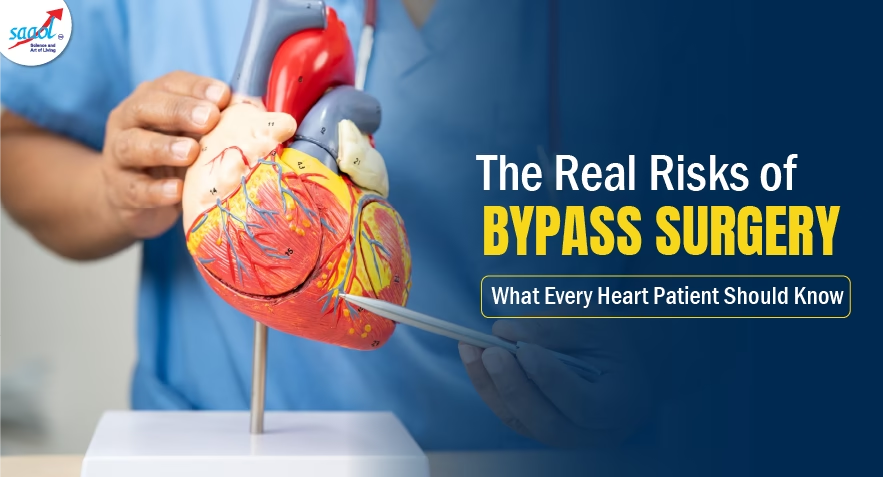
Real Risks of Bypass Surgery: What Every Heart Patient Should Know
Over 60,000 bypass surgeries are performed in India every year and most patients agree to it the same week they’re diagnosed, trusting their doctor, scared of the alternative, and believing the surgery will fix their heart for good.
But what many people are not fully told is that bypass surgery can come with serious risks that affect much more than just the heart. That is why understanding its possible complications before making a decision is so important.
In this blog, we’ll talk about the real risks of bypass surgery that nobody tells you. Also, why do some patients explore heart blockage treatment without surgery options like EECP before choosing major surgery.
Let’s begin!
What is Bypass Surgery (CABG)?
Bypass surgery, also called CABG (Coronary Artery Bypass Grafting), is an open heart surgery procedure in which doctors take a healthy blood vessel from your chest, leg, or arm and use it to create a detour around a blocked artery.
Think of it like building a new road around a traffic jam. The old blocked road is still there, and the disease hasn’t gone anywhere. The new route simply helps blood reach the heart more easily.
This distinction matters more than most patients realise. Because if the root causes high cholesterol, diabetes, stress, smoking, and poor diet aren’t addressed, the new graft can start blocking too.

Bypass Surgery Risks Nobody Talks About
There are many risks linked to bypass surgery. Some bypass surgery side effects are common, while others are rare. Here, we will discuss the most vital and most common risks so you can be aware of them before undergoing a heart blockage operation.
1. The Biggest Risk: Bypass Surgery Success Rate is Not as Good as You Think
If you think Bypass Surgery is a long-term solution, you are far from reality. Studies show that symptoms of angina (chest pain) often return within 5 years of surgery.
According to ACC, SVG failure rates range from 6% to 26% in the first year and are estimated to be 40–50% at 10 years after CABG.
This happens because bypass surgery only reroutes blood flow around blocked arteries; it does not cure the disease itself. The disease process continues affecting the arteries even after surgery.
Factors like unhealthy lifestyle habits, stress, poor diet, lack of exercise, inflammation, and weakening of the graft vessels can all contribute to future blockages and returning symptoms.
2. Surgical & immediate risks
Atrial Fibrillation: According to the National Library of Medicine, around 20%–40% of bypass patients may develop atrial fibrillation after surgery. This causes blood to pool and clot inside the heart, sharply raising the risk of stroke.
Aortic Dissection: The main blood vessel carrying blood from your heart can develop a tear during surgery creating a life-or-death emergency right on the operating table.
Accidental Nerve Damage Opening the chest requires spreading the ribcage, which is packed with nerves. These nerves can get stretched or cut, leaving patients with numbness, weakness, or chronic chest pain that never fully goes away.
Ventricular Arrhythmias: Surgery shocks the heart’s electrical system, causing it to beat in a dangerous, chaotic rhythm. In the worst cases, the heart quivers instead of pumping and needs an emergency defibrillator shock.
3. Blood & circulation risks
Deep Vein Thrombosis (DVT): After bypass surgery, staying in bed for long periods can slow blood flow in the legs and increase the risk of dangerous blood clots forming silently in the veins.
Pulmonary Embolism: If a blood clot from the leg travels to the lungs and blocks blood flow. This is one of the most sudden and deadly bypass surgery risks a patient can face during recovery. FF
Low blood pressure episodes can occur after major heart surgery, leaving the patients with dizziness, fainting, or going into shock, requiring emergency medication to stabilize.
4. Organ-specific risks
Temporary or Permanent Vision Loss: Tiny clots or air bubbles during bypass surgery can sometimes affect blood flow to the eyes, leading to blurred or even lost vision in one or both eyes, a risk rarely mentioned before signing the consent form.
Bypass surgery can temporarily reduce blood flow to other organs. Some patients experience bowel slowdown, mild liver stress, or reduced kidney function during recovery, particularly those with pre-existing conditions.
5. Long-term and chronic risks
Graft Vasculopathy: The bypass graft can also become blocked over time, causing many patients to need another procedure within years.
Accelerated Atherosclerosis in the Grafted Vessel: The same disease that blocked the original arteries can also block the new graft over time, sometimes even faster because the graft vessel is not naturally designed to handle high heart blood pressure.
Scarring & Sternal Healing Issues: Some patients may develop thick or painful chest scars, while in others, the chest bone may not heal properly after surgery, causing long-term pain and discomfort during movement.
6. Emotional and Mental Health Changes
Bypass surgery can also affect mental and emotional health. Some patients experience PTSD, ICU delirium, anxiety, memory problems, extreme fatigue, and fear of physical activity, making normal daily life and recovery emotionally difficult for months.
What is Postoperative Cognitive Dysfunction (POCD): POCD or Pump Head Syndrome is a term used for memory and thinking problems that some people may experience after bypass surgery. After the operation, a patient may feel mentally slow, forgetful, confused, or have trouble concentrating.
This can happen because the heart-lung machine used during surgery may slightly affect the brain’s blood flow. Some patients describe it as feeling “foggy” or not mentally sharp like before.
Common signs of pumphead include:
• Forgetting small things
• Trouble focusing
• Slow thinking
• Difficulty following conversations
For many people, these bypass surgery side effects improve over time. But in some patients, especially older adults, the effects may last longer.
7. Drug and medication risks post-surgery
Many bypass patients need lifelong dependency on blood thinners, statins, and beta blockers to help prevent future heart complications. Over time, long-term statin use may cause muscle pain, liver strain, memory issues, while blood thinners can increase the risk of serious internal bleeding.
As patients age and start taking more medicines for other health conditions, drug interactions can also become more complex and difficult to manage safely.
8. Population-specific risks
Diabetic Patients: Diabetes can slow wound healing and increase the risk of infections. It can also damage blood vessels and kidneys, making recovery more difficult and future blockages more likely even after bypass surgery.
Elderly Patients (70+): Older patients often face higher risks of complications, memory problems, confusion, and slower recovery after major heart surgery.
Obese Patients: Excess body weight can increase the chances of breathing problems, infections, blood clots, and delayed healing after surgery.
Patients with Kidney Disease: Bypass surgery and strong medicines can put extra stress on already weak kidneys and may worsen kidney function.
Women: Women may face slightly higher bypass surgery risks because their heart arteries are usually smaller and heart disease symptoms are often recognized later, which can make treatment and recovery more difficult.
What Other Heart Blockage Treatment Options Do Patients Explore?
Because bypass surgery is not always a permanent solution, some patients also explore non-surgical treatments focused on improving blood flow naturally.
One such option is EECP therapy.
EECP Therapy: A Non-Surgical Treatment for Heart Blockage
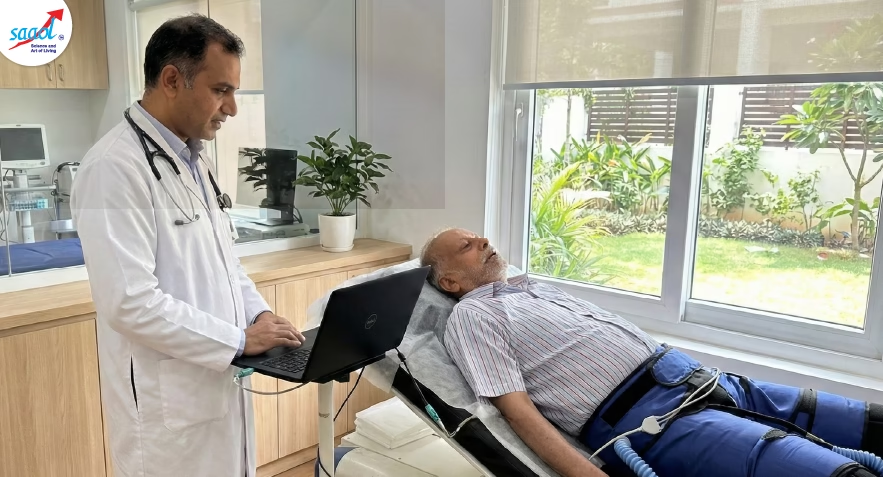
EECP (Enhanced External Counter Pulsation) is a non-surgical therapy that helps improve blood circulation without opening the chest.
The treatment uses air cuffs around the legs to increase blood flow to the heart and in this way, the body develops tiny “natural bypass” blood vessels over time.
Unlike bypass surgery, EECP treatment for heart blockage does not involve surgery, anesthesia, stitches, or long recovery.
Final Thoughts: Before Making a Decision, Give Your Heart Every Option
Bypass surgery may be necessary in some serious situations, but this open heart comes with real risks, long recovery, lifelong medicines, and no guarantee against future blockages. That is why understanding every option before making a decision is so important.
Before choosing surgery, it may be worth exploring whether non-surgical options like EECP and lifestyle-based heart care can also help support your heart naturally.
At SAAOL Heartcare, the focus is not just on improving blood flow, but also on helping manage the root causes behind heart disease for long-term prevention. If you or someone you love has been recommended bypass surgery, speak with our specialists at SAAOL Heartcare before deciding.
A single consultation can help you understand whether EECP therapy or lifestyle-based heart care is right for your condition. Book your consultation today.
FAQs:
Q1. Can bypass surgery fail after a few years?
Yes. Bypass surgery can fail over time because the new grafted blood vessels may also become narrow or blocked. Since the surgery does not cure the root cause of heart disease, ongoing cholesterol buildup, diabetes, smoking, stress, and unhealthy lifestyle habits can continue damaging the arteries and grafts.
Q2. Is bypass surgery painful?
Bypass surgery is a major chest operation, so pain and discomfort during recovery are common. Patients may experience chest soreness, difficulty moving, sleep discomfort, weakness, and pain while coughing or breathing deeply until the breastbone and surrounding tissues gradually heal over time.
Q3. Is EECP safer than bypass surgery?
EECP is a heart blockage treatment without surgery , so it does not involve chest opening, anesthesia, stitches, or surgical recovery. It is generally considered less physically stressful than bypass surgery. However, the best treatment depends on the patient’s blockage severity, symptoms, and overall heart condition.
Q4. Can lifestyle changes help avoid future heart procedures?
Yes. Healthy lifestyle changes such as improving diet, exercising regularly, reducing stress, controlling diabetes and blood pressure, quitting smoking, and maintaining healthy cholesterol levels may help slow further artery damage and lower the risk of future heart procedures or repeat blockages.
Q5. When do doctors choose angioplasty and when is bypass surgery recommended?
Doctors usually recommend angioplasty when there are one or two smaller blockages that can be opened using a stent. Bypass surgery is generally suggested when there are multiple severe blockages, major artery involvement, or complex heart disease where simply placing a stent may not provide enough long-term blood flow support.
Book Appointment



In This Article
- What is Bypass Surgery (CABG)?
- Bypass Surgery Risks Nobody Talks About
- 1. The Biggest Risk: Bypass Surgery Success Rate is Not as Good as You Think
- 2. Surgical & immediate risks
- 3. Blood & circulation risks
- 4. Organ-specific risks
- 5. Long-term and chronic risks
- 6. Emotional and Mental Health Changes
- 7. Drug and medication risks post-surgery
- 8. Population-specific risks
- What Other Heart Blockage Treatment Options Do Patients Explore?
- EECP Therapy: A Non-Surgical Treatment for Heart Blockage
- Final Thoughts: Before Making a Decision, Give Your Heart Every Option
- FAQs:
×
Request for a Call Back
Thank You! We'll get back to you shortly.