What is a heart attack?
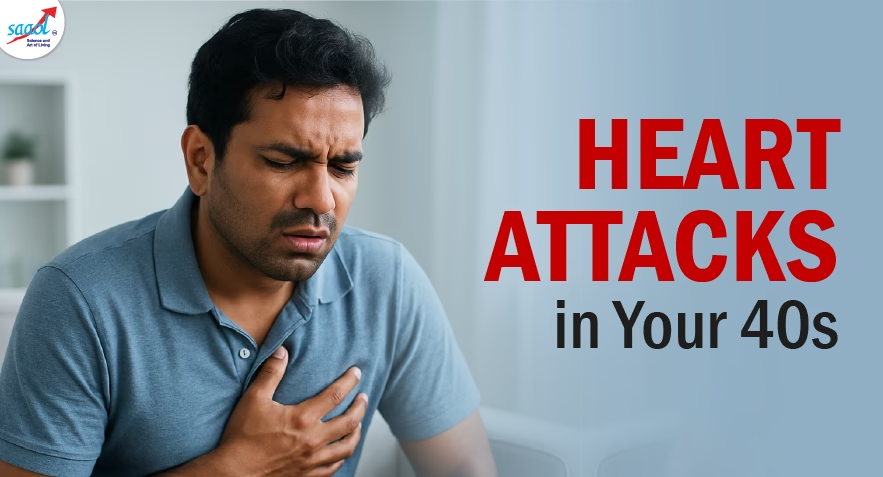
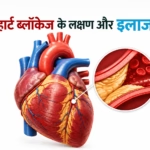
A heart attack (medical name: myocardial infarction) happens when the blood flow to a part of the heart is completely blocked. This blockage usually occurs in the coronary arteries (the blood vessels that supply the heart). Because of this blockage, the heart muscle does not get enough oxygen and blood. If the blockage lasts too long, that part of the heart muscle gets damaged or can even die.
Severity
- Small area (5–10%) - mild heart attack, most people recover.
- Large area (30–40% or more) - major heart attack, can be very dangerous or even life-threatening without urgent treatment.
Common symptoms
Chest pain/Angina or pressure (feels like heaviness, tightness, or squeezing) on exertion, it increases and may or may not subside at rest
Pain may spread to the left arm, neck, jaw, or back
Shortness of breath on exertion
Sweating, nausea, or vomiting
Extreme tiredness or weakness
Feeling dizzy or faint
Note: Not everyone has the same symptoms. Some people, especially women and diabetics, may have silent or mild heart attacks with unusual symptoms like indigestion, fatigue, or back pain.
What to do if you suspect a heart attack
- Call emergency services immediately a heart attack is a medical emergency.
- Chew aspirin if recommended by emergency services and if not allergic (helps slow clotting).
- Stay calm, rest; do not drive yourself to hospital if an ambulance is available.