

Heart health
Third Degree Heart Block: Treatment, Pacemakers and Everyday Heart Care
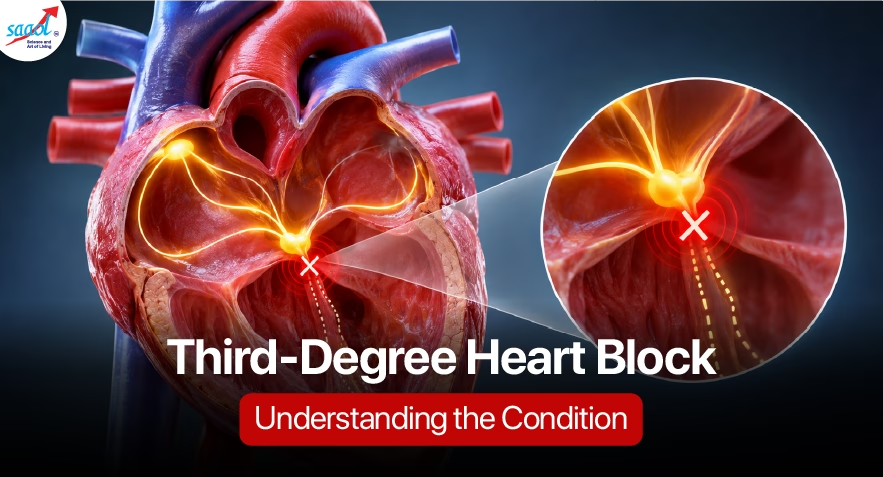
Third-degree heart block, also called complete heart block, occurs when electrical signals from the heart’s upper chambers (atria) do not conduct to the lower chambers (ventricles). This can cause the ventricles to beat too slowly. Treatment often involves a pacemaker, unless the cause is reversible. Understanding the condition, its treatment and the care needed after pacemaker implantation can help patients make informed decisions.
This article explains third degree heart block, its treatment and the everyday care your heart still needs afterward.
What Is a Third Degree Heart Block, and What Does It Mean for Your Heart?
Your heart uses electrical signals to coordinate each heartbeat. These signals normally travel from the upper chambers, called atria, to the lower chambers, called ventricles.
In the third degree atrioventricular block, this connection is completely interrupted. The ventricles may start beating on their own using a backup signal, called an escape rhythm. However, this rhythm is often too slow to pump enough blood to meet the body’s needs.
Cleveland Clinic describes complete heart block as a serious electrical conduction problem that usually requires a pacemaker.
It is different from coronary artery blockage, where fatty deposits narrow the blood vessels supplying the heart. The phrase “3 blocks in heart” may refer to artery blockages. It does not mean third-degree heart block.
Which Symptoms Should You Never Ignore?
Third degree heart block can cause:
- Dizziness or lightheadedness.
- Fainting or feeling close to fainting.
- Unusual tiredness or weakness.
- Breathlessness.
- Chest discomfort.
- Difficulty managing activities that previously felt easy.
Symptoms vary, so feeling relatively comfortable does not make a confirmed diagnosis safe to ignore.
The NHS advises immediate emergency care for serious symptoms such as chest pain in someone with diagnosed heart block, severe breathing difficulty or concerning collapse.
Seek emergency help if these occur. Do not drive yourself or wait for a routine appointment. Newly diagnosed complete heart block needs prompt medical assessment.
What Causes Complete Heart Block, and Can It Be Reversed?
Complete heart block can develop for several reasons:
- Age-related scarring: Changes over time can damage the pathways that carry the heart’s electrical signals.
- Heart attack: Damage to heart tissue can interrupt electrical signals between the upper and lower chambers.
- Heart procedures: Certain surgeries or valve procedures can affect nearby electrical pathways.
- Inflammation or infection: Some conditions can inflame or damage the heart’s electrical conduction system.
- Congenital heart block: Some people are born with a problem in the electrical connection between the heart’s chambers.
- Certain medicines: Beta blockers, digoxin and some calcium channel blockers can slow electrical signals and contribute to heart block.
Do not stop prescribed medicines yourself. Your doctor will assess whether a medicine is contributing and adjust it safely.
Can Complete Heart Block Be Reversed?
It depends on what caused the electrical signals to stop getting through. If a medicine, mineral imbalance or treatable infection is responsible, addressing that cause may restore the connection. However, the block can persist or return, so close medical monitoring is essential.
When the electrical pathways are permanently damaged, they usually cannot recover. A pacemaker is then generally needed to keep the heart from beating too slowly. It supports the heartbeat rather than repairing the damaged connection.
Healthy eating and regular activity support overall heart health, but neither lifestyle changes nor EECP can reverse permanent complete heart block.
How Do Doctors Confirm Third Degree (Complete) Heart Block?
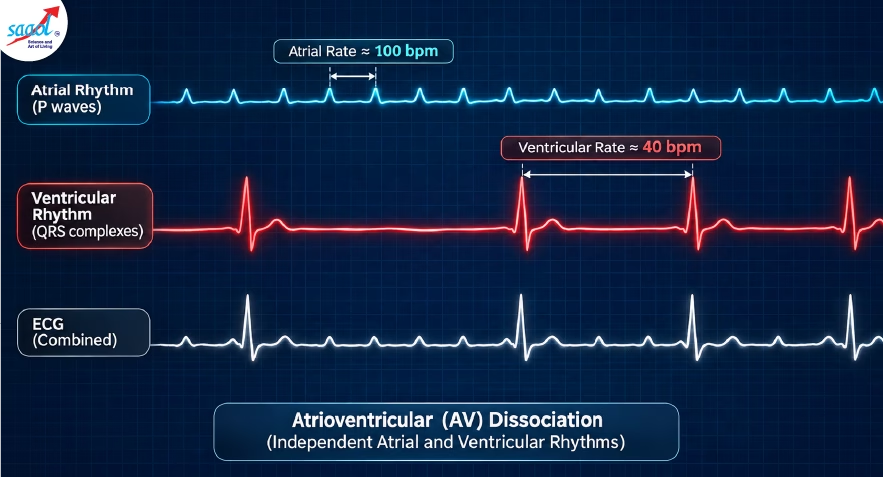
Complete heart block occurs when electrical signals from the upper chambers (atria) cannot reach the lower chambers (ventricles), causing them to beat independently, usually with a slower rhythm in the ventricles.
An electrocardiogram, or ECG, is the main diagnostic test. It records the heart’s electrical activity and shows whether signals from the upper chambers are reaching the lower chambers.
Your doctor may also recommend:
- Blood tests: To investigate possible causes, including mineral imbalances or thyroid problems.
- An echocardiogram: An ultrasound that assesses heart structure, valves and pumping function.
- Heart monitoring: To follow the rhythm or investigate episodes that come and go.
Bring your medicine list and describe when symptoms began. Mention fainting, recent illness and previous heart procedures.
Testing should not delay stabilising someone with a dangerously slow heartbeat.
Why Is a Pacemaker Usually Needed, and Can Medicines Help?
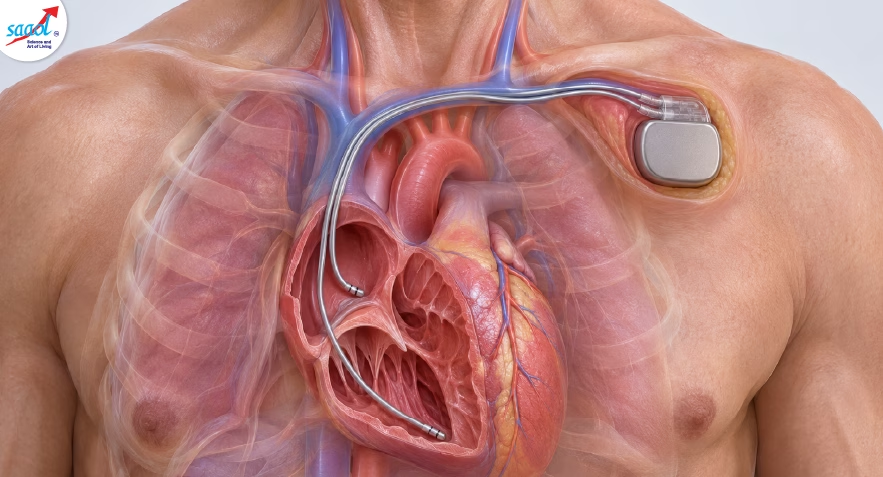
A pacemaker is a small, battery-powered device that sends electrical signals to keep your heart from beating too slowly.
The 2018 ACC/AHA HRS guideline recommends permanent pacing for acquired third-degree AV block without a reversible or physiological cause, even when symptoms are absent.
Where medicines fit
In emergencies, clinicians may use medicines to support heart rate and circulation. The American Heart Association 2025 resuscitation guideline includes atropine, other intravenous medicines and temporary pacing when appropriate.
These measures provide monitored support. They do not reliably repair permanent electrical pathway damage.
What a pacemaker cannot do
A pacemaker helps prevent a slow heartbeat, but it does not:
- Remove fatty deposits from coronary arteries.
- Control cholesterol, blood pressure or diabetes.
- Treat every cause of fainting, breathlessness or chest pain.
New or persistent symptoms still need medical assessment. The device also needs regular checks and eventual battery-unit replacement. Implantation carries risks such as infection, bleeding or problems with the wires connecting it to the heart.
How Can You Care for Your Heart After a Pacemaker?
A pacemaker supports your heartbeat, while daily habits and regular medical care support your overall heart health.
- Attend device checks: Keep follow-up appointments to monitor the battery, wires and settings.
- Eat balanced meals: Include vegetables, fruit, whole grains and protein sources such as dal or tofu. Limit salty snacks, added sugar and highly processed foods.
- Move safely: Resume activity gradually, following your doctor’s advice on lifting and strenuous exercise.
- Take medicines as prescribed: Do not change or stop them without medical advice.
- Follow device precautions: Avoid close contact with strong magnets, carry your pacemaker ID card and inform medical teams before scans or procedures.
SAAOL’s zero-oil cooking approaches can support meal planning, while ensuring adequate protein, essential fats and energy.
Food choices support cardiovascular health. They cannot repair a permanent complete heart block.
Return to activity gradually
Follow your implanting team’s instructions about wound care, arm movements, lifting and exercise. Begin walking or other activity at the level they recommend. Avoid starting strenuous workouts or demanding yoga poses independently.
Stay consistent with follow-up
Continue prescribed medicines and attend device checks. NHLBI recommends regular pacemaker monitoring and carrying your device identification card.
Avoid tobacco, maintain regular sleep and ask for support if anxiety affects recovery. A personalised lifestyle management plan can help make these habits sustainable.
Why Are Lifestyle Changes Important After a Pacemaker?
A pacemaker keeps your heart from beating too slowly, but it does not stop fatty deposits from building up in your arteries. Healthy eating, regular activity as advised and avoiding tobacco help control cholesterol, blood pressure and blood sugar, problems that still need attention after implantation.
Conclusion
Third degree heart block needs timely medical care, and a pacemaker is often essential when the cause cannot be reversed. Regular device checks, prescribed medicines and healthy daily habits remain important afterward.
For selected patients with persistent angina from a separate coronary blood-supply problem, EECP may help, subject to medical assessment.
For personalised diet and lifestyle support, book a consultation with SAAOL Heartcare Delhi.
FAQs
Q1. Can young adults develop third degree heart block?
Yes, young adults can develop complete heart block. Possible causes include congenital conditions, inflammation, certain infections, medicines and previous heart procedures. Although acquired conduction disease is more common later in life, age alone cannot determine the cause or treatment.
Q2. Can a third degree heart block be inherited?
Some forms can be inherited, but many are not. Your cardiologist may consider genetic assessment if conduction disease develops unusually early or several relatives have similar problems. Testing depends on your medical findings and family history.
Q3. Can someone with a pacemaker have an MRI?
Many people with pacemakers can have an MRI under specific safety protocols. Eligibility depends on the device, its leads and the scanning arrangements. Tell the imaging team about your pacemaker before booking so appropriate checks can be organised.
Q4. Are microwave ovens safe with a pacemaker?
Properly functioning household microwave ovens are generally safe. Strong magnets and certain electrical equipment require precautions. Follow your device team’s advice and avoid placing magnetic objects directly over the implant. Restrictions depend partly on your device and the equipment involved.
Q5. How far should a phone stay from a pacemaker?
NHLBI recommends keeping a mobile phone at least six inches from the pacemaker. Use the opposite ear or speakerphone, and avoid carrying the phone in a chest pocket over the device. Follow any additional advice from your device clinic.
Q6. Does a pacemaker mean I need blood thinners?
A pacemaker alone does not automatically require long-term blood thinners. Another condition, such as atrial fibrillation or a blood clot, may create a reason to prescribe them. Do not start or stop these medicines without discussing your individual risks.
Q7. Should I restrict fluids after pacemaker implantation?
Pacemaker implantation alone does not create a universal fluid restriction. Your needs depend on other conditions, including heart failure or kidney disease. Follow your treating team’s individual advice rather than reducing fluids simply because you have a pacemaker.
Q8. What should I do if the implant area becomes red or painful?
Contact your treating team promptly if you develop increasing redness, pain, swelling, discharge or fever. These can indicate infection. Do not wait for a routine appointment, because device-related infections can appear during early recovery or months after implantation.
Disclaimer: This article provides general information and does not replace individual medical advice, diagnosis or treatment. Suspected complete heart block requires prompt assessment. Lifestyle measures must not delay necessary pacemaker treatment or emergency care.
Book Appointment

In This Article
- What Is a Third Degree Heart Block, and What Does It Mean for Your Heart?
- Which Symptoms Should You Never Ignore?
- What Causes Complete Heart Block, and Can It Be Reversed?
- How Do Doctors Confirm Third Degree (Complete) Heart Block?
- Why Is a Pacemaker Usually Needed, and Can Medicines Help?
- Where medicines fit
- What a pacemaker cannot do
- How Can You Care for Your Heart After a Pacemaker?
- Return to activity gradually
- Stay consistent with follow-up
- Why Are Lifestyle Changes Important After a Pacemaker?
- Conclusion
- FAQs
- Q1. Can young adults develop third degree heart block?
- Q2. Can a third degree heart block be inherited?
- Q3. Can someone with a pacemaker have an MRI?
- Q4. Are microwave ovens safe with a pacemaker?
- Q5. How far should a phone stay from a pacemaker?
- Q6. Does a pacemaker mean I need blood thinners?
- Q7. Should I restrict fluids after pacemaker implantation?
- Q8. What should I do if the implant area becomes red or painful?
×
Request for a Call Back
Thank You! We'll get back to you shortly.