

All
Why Do Indian Men Get Heart Attacks 10 Years Earlier Than Women?
Indian men often develop heart disease 7–10 years earlier than women because they lack estrogen’s protective effect and are more likely to have risk factors such as belly fat, smoking, diabetes, stress, unhealthy diets, and sedentary lifestyles. In India, genetic factors and delayed health check-ups further increase the risk of early heart attacks.
A 48-year-old father leaves for work like every other day. Lately, he’s been getting tired more easily.
He considered chest tightness to be just acidity. Breathlessness is probably the stairs. Constant fatigue is just work stress. And quietly, the warning signs get ignored.
Then one day, the family is left asking the same question: How did this happen so suddenly?
But heart attacks are rarely sudden.
According to the AHA, men tend to develop heart disease nearly 7–10 years earlier than women.
So why are Indian men dying of heart attacks 10 years earlier than women? In this article, we’ll understand the real causes behind this higher risk, why symptoms often go unnoticed, and what can be done to protect the heart before it’s too late.
Do Men Have More Heart Attacks Than Women?
Yes, and by a significant margin, especially in India.
According to WHO India, Indian men have an age-adjusted cardiovascular death rate of 349 per 100,000 compared to 265 per 100,000 in women, 2 to 3 times higher than in the United States.
The numbers tell a clear story. While heart disease is the leading cause of death for both genders globally, in India, this gap appears even starker.
Indian men are getting heart attacks in their 40s, and in some alarming cases, their 30s.
According to the Indian Heart Association, in India, nearly 50% of heart attacks in men happen before the age of 50, and 1 in 4 occur before age 40.
Why Men Are More At Risk for Heart Disease than Women? The Biology Behind It
Here’s something that might surprise you. Men are more at risk of heart disease compared to women. Let’s see how.
1. The Estrogen Shield: Nature’s Gift to Women
Estrogen levels are higher in women during their reproductive years, and they act as a natural shield for the heart. It helps:
- Keep blood vessels flexible and healthy
- Raise HDL (good) cholesterol and lower LDL (bad) cholesterol
- Reduce inflammation in the artery walls
- Keep blood sugar in check
Men have much lower estrogen levels compared to women, which means they don’t get this automatic protection. Once women hit menopause (usually around age 50), their estrogen drops and their heart disease risk rises.
2. The Testosterone – A Double-Edged Sword
Testosterone, the primary male hormone, can actually work against heart health in some ways. Higher testosterone levels have been linked to:
- Lower HDL (good) cholesterol
- Higher LDL (bad) cholesterol
- Abdominal fat accumulation
- Increased tendency for blood to clot
As men age, particularly after 40, testosterone levels start dropping. This decline is associated with higher rates of cardiovascular problems. It’s a lose-lose: too high or too low testosterone can both contribute to heart risk.
3. Belly Fat vs. Hip Fat – It’s Not Just About Weight
When men gain weight, they tend to store fat in the belly. Women typically store fat in the hips and thighs.
Belly fat (visceral fat) is far more dangerous. It wraps around your internal organs, causes inflammation, spikes blood sugar, and directly increases the risk of heart disease, diabetes, and high blood pressure.
Heart Attack Ratio: Male vs Female
Heart disease affects both men and women, but it doesn’t affect them in the same way or at the same age. The comparison below shows how the pattern differs.
Note: Women generally experience heart attacks later in life, but symptoms may be more subtle and therefore easier to overlook.
Causes of Heart Attack in Men
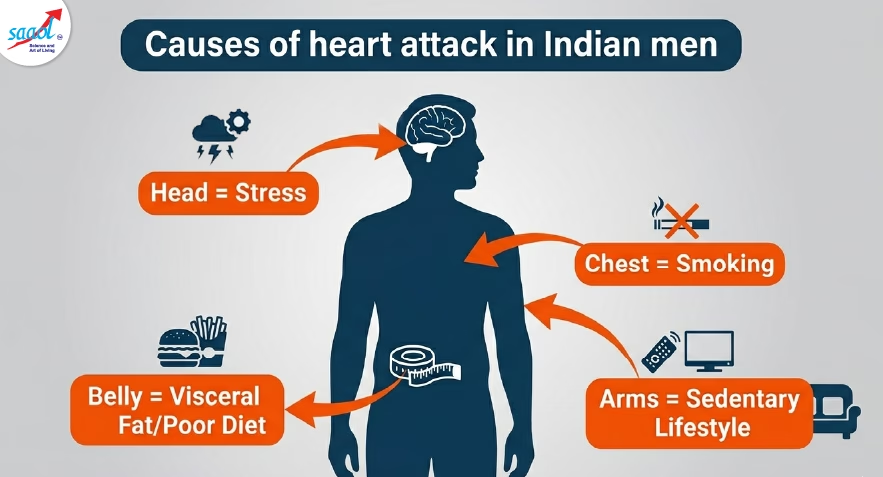
The truth is, most heart attacks build quietly over the years through-
1. The “Belly Fat” Trap
Indian men are prone to visceral fat, which increases inflammation and raises the risk of diabetes, high cholesterol, and blocked arteries. This is one of the major contributors to male cardiac risk in India.
2. Smoking and Tobacco
Smoking doesn’t just hurt the lungs; it makes the blood sticky and more likely to clot inside the heart.
3. Genetics
South Asians have smaller arteries and a genetic tendency for “bad” cholesterol (LDL) to be extra sticky. For men, this genetic “glitch” shows up much earlier.
4. Chronic Stress: The Modern Epidemic
Many Indian men live with constant work pressure, financial stress, and long hours, yet often ignore or suppress stress, which can quietly raise blood pressure, increase inflammation, and put extra strain on the heart.
In a 2023 study of 903 Indian heart attack patients, published in the Indian Heart Journal, 52.9% reported severe stress and 38.4% reported moderate stress, meaning more than 9 out of 10 patients were living with moderate to severe stress.
5. Poor Diet: Maida, Sugar, and Oil
Fried snacks, refined carbohydrates, excessive salt, sugary drinks, the modern Indian diet has drifted far from its wholesome roots. High-fat, high-sugar eating patterns raise cholesterol, blood pressure, and body weight, all major heart risk factors.
6. Sedentary Lifestyle: Sitting Is the New Smoking
With desk jobs, long work hours, and screen-heavy evenings, most Indian men get dangerously little physical activity. A sedentary lifestyle is directly linked to weight gain, diabetes, high cholesterol, and a weakened heart muscle.
7. Alcohol: More Common in Men
Men in India drink significantly more alcohol than women. Heavy or binge drinking raises blood pressure, triggers irregular heartbeats, and directly weakens the heart muscle over time.
8. Genetics: Indians Are Already at Higher Risk
Research confirms that South Asians, including Indians, are genetically predisposed to heart disease. Indian hearts tend to have narrower arteries, a greater tendency for arterial plaque to build up, and higher rates of type 2 diabetes, which multiplies cardiac risk significantly.
Warning Signs Men Often Mistake for “Gas” or “Tiredness”
Here’s the scary truth. Many Indian men dismiss the earliest signs of a heart attack. They blame it on acidity, overwork, or muscle pain. This delay costs lives.
Never ignore these:
- Chest pressure, tightness, or heaviness (not always sharp pain)
- Pain radiating to the left arm, shoulder, jaw, or back
- Unexplained breathlessness, even at rest
- Cold sweat without any physical exertion
- Extreme, unusual fatigue lasting days before a cardiac event
- Nausea or sudden light-headedness
Rule of thumb: If something feels wrong with your chest, arms, or breath, don’t wait. Call for help immediately. Early action can mean the difference between life and death.
How to Reduce Male Cardiac Risk in India?
Most of the risk factors can be modified. You have more control over your heart health than you think.
Lifestyle Is Your First Medicine.
- Switch to a zero-oil diet rich in fruits, vegetables, and whole grains: Helps lower cholesterol, control weight, and reduce strain on the heart.
- Walk at least 30–45 minutes daily: Regular movement improves blood circulation and strengthens heart function.
- Practice stress reduction: yoga, meditation, or simple deep breathing: Managing stress can help lower blood pressure and reduce pressure on the heart.
- Cut tobacco completely: Tobacco damages blood vessels and greatly increases the risk of heart attack.
- Limit alcohol or quit entirely: Excess alcohol can raise blood pressure and weaken heart health over time.
- Sleep 7–8 hours: Good sleep supports recovery, hormone balance, and overall heart health.
- Get regular check-ups from age 30 (blood pressure, blood sugar, cholesterol): Early screening helps detect risks before symptoms appear.
The Bottom Line: Don’t Wait for a Warning
Indian men often carry the weight of being protectors, providers, and pillars of their families. But taking care of everyone starts with taking care of your own heart.
That 10-year gap isn’t fate. It’s shaped by everyday choices. What you eat, how you manage stress, whether you smoke, how often you move, and whether you act before symptoms become serious.
Your heart keeps working quietly for you every day. Don’t wait for it to ask for help.
If you have symptoms, risk factors, or simply want to understand your heart health better, Book a consultation at SAAOL Heartcare Delhi and explore the options available to you.
FAQs
Q1: At what age should Indian men start worrying about heart health?
Ideally, from age 30. The NFHS-5 data shows Indians develop arterial plaque and risk factors far earlier than Western populations. Basic cardiac screening like BP, fasting blood sugar, lipid profile should become an annual ritual from your 30s, especially if you smoke, have a family history, or are overweight.
Q2: Can a 25-year-old Indian man have a heart attack?
Yes, and it’s becoming more common. Reasons may be extreme stress, substance use, undiagnosed genetic conditions, and heavy gym workouts without medical guidance. The rise in post-COVID cardiac events has also been widely noted by Indian doctors.
Q3: Is the heart attack ratio male vs female changing in India?
Yes, the gap is slowly narrowing but not for the right reasons. As more Indian women adopt urban lifestyles, face workplace stress, and reach menopause earlier, their cardiac risk is rising. Post-menopause, women’s risk rapidly approaches that of men, than a decade ago.
Q4: What is the difference between a heart attack and cardiac arrest?
A heart attack happens when a blocked artery stops blood flow to part of the heart muscle. Cardiac arrest is an electrical problem where the heart suddenly stops beating. A heart attack can trigger cardiac arrest. In a heart attack the person is usually conscious and in pain; in cardiac arrest they collapse and are unresponsive. Both are life-threatening emergencies.
Q5. What is the SAAOL zero-oil diet and does it actually help the heart?
The SAAOL zero-oil cooking approach involves preparing all meals without any added cooking oil or fat. Founded by Dr. Bimal Chhajer, this method is based on the principle that eliminating added oils reduces LDL cholesterol, helps reverse arterial plaque, and supports weight management.
Q6: Can heart disease be reversed without surgery in India?
Yes, SAAOL Heart care Delhi has documented thousands of cases where patients avoided bypass surgery through EECP therapy combined with lifestyle and dietary changes. EECP stimulates the formation of new collateral blood vessels (natural bypasses), while lifestyle changes reduce the root cause. Emergency situations still require immediate conventional medical treatment.
Q7: Can stress cause a heart attack in men?
Yes. Stress alone may not directly cause a heart attack, but chronic stress can raise blood pressure, increase inflammation, disturb sleep, trigger unhealthy habits, and put extra strain on the heart. Over time, these changes can significantly increase heart attack risk in men.
Q8. What are the early signs of a heart attack in men?
Early signs can include chest pressure or tightness, pain spreading to the arm, jaw, shoulder, or back, unexplained breathlessness, unusual fatigue, cold sweats, nausea, or dizziness. Symptoms may appear hours or even days before a heart attack and should never be ignored.
Book Appointment





In This Article
- Do Men Have More Heart Attacks Than Women?
- Why Men Are More At Risk for Heart Disease than Women? The Biology Behind It
- 1. The Estrogen Shield: Nature’s Gift to Women
- 2. The Testosterone – A Double-Edged Sword
- 3. Belly Fat vs. Hip Fat – It’s Not Just About Weight
- Heart Attack Ratio: Male vs Female
- Causes of Heart Attack in Men
- Warning Signs Men Often Mistake for “Gas” or “Tiredness”
- How to Reduce Male Cardiac Risk in India?
- The Bottom Line: Don’t Wait for a Warning
- FAQs
×
Request for a Call Back
Thank You! We'll get back to you shortly.