
All
Triple Vessel Disease? How to Avoid Bypass Surgery
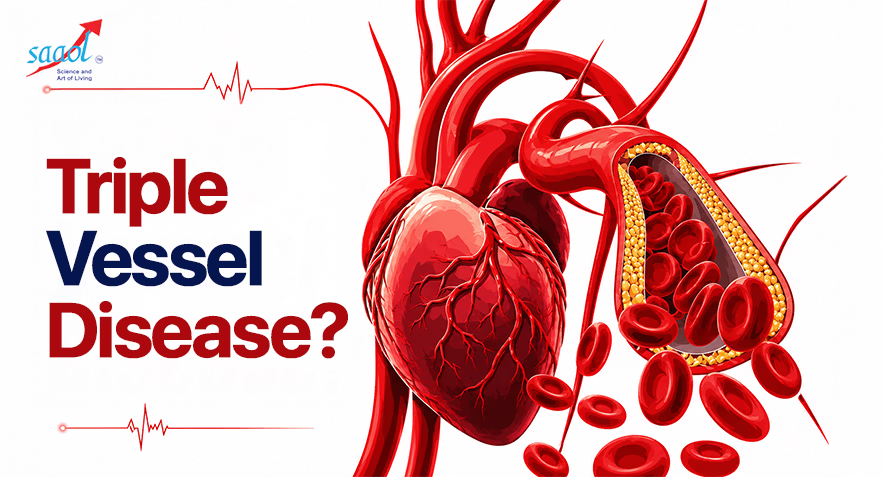
Triple vessel disease (also called three-vessel coronary artery disease) is a condition where all three major coronary arteries have significant blockages. Although bypass surgery is commonly recommended, not every patient requires immediate surgery.
Depending on the severity of blockages, heart function (ejection fraction), symptoms, blood flow, and overall health, some patients may be managed with medicines, lifestyle modification, and non-invasive treatments such as EECP therapy under expert medical supervision.
The right treatment depends on a detailed cardiac evaluation.
Let’s not pretend. When the doctor said, “You have 3 Heart blockages, or triple vessel disease” You didn’t hear science. You heard fear. You heard a heart attack. Surgery. ICU. Maybe even… final goodbyes. You thought about your children, your parents, and your bucket list. You searched “bypass surgery success rate” on Google. You read the words “critical,” “emergency,” and “life-threatening.” And you froze. But here’s the bit that they didn’t tell you:
You still have a choice.
Triple vessel disease, or 3 heart blockages, doesn’t always mean knives and stitches.
At SAAOL Heartcare, Delhi, under the guidance of our mentor Dr. Bimal Chhajer, we have helped more than 6 lakh people with non-surgical heart treatment. And with treatments like EECP treatment in Delhi/NCR and an approach that helps to avoid bypass surgery, the vast majority of patients reverse heart disease without surgery—yes, even patients with 3 heart blockages or more.
This blog isn’t about giving you hope. It’s about bringing you the truth, the science, and the power to choose your next path.
Let’s get into it.
What is Triple Vessel Disease?
Triple vessel disease (TVD) is a severe type of coronary artery disease in which all three major coronary arteries become significantly narrowed due to plaque buildup.
These arteries include:
- Left Anterior Descending (LAD)
- Left Circumflex (LCX)
- Right Coronary Artery (RCA)
Because all three arteries supply oxygen-rich blood to the heart muscle, severe narrowing can reduce blood flow and increase the risk of angina, heart attack, and heart failure if left untreated.
Triple vessel disease is also known as:
- Three-vessel coronary artery disease
- Triple coronary artery disease
- 3 vessel coronary artery disease
- TVD in cardiology
Symptoms of Triple Vessel Disease
Symptoms vary from person to person.
Common symptoms include:
- Chest pain (angina)
- Breathlessness
- Fatigue while walking
- Pain in jaw, shoulder or arm
- Reduced exercise capacity
- Sweating
- Nausea
- Palpitations
Some patients, especially those with diabetes, may have silent heart disease with very few symptoms.
What does “3 Heart Blockages” Mean?
You read “triple vessel disease” on your report. It probably meant:
- Major stenosis in three coronary arteries
- Perhaps a 70-90% heart blockage in both
- Or a critical lesion in one artery and severe narrowing in the others
But here is what you haven’t been told:
Blockages are only part of the equation. Blood flow matters more. Stable plaques can sit there for years, causing no symptoms. Collaterals (natural bypass vessels) may already be compensating for the loss. And not all such blockages require stenting or surgery, particularly if your heart is still functioning properly.
At SAAOL, we start by analyzing your blood flow and pressure in your arteries by your stress test reports, not just identifying them. And in many cases, we find your heart is coping far better than you’d think.
What Causes Triple Vessel Disease?
Understanding these causes is important, as it helps you spot the risk early and take steps before all three arteries get blocked. Here’s a quick look at what leads to Triple Vessel Disease:
| 🩸 High LDL Cholesterol | Bad cholesterol sticks to artery walls and gradually narrows the arteries. |
| 🚬 Smoking | Damages blood vessels and accelerates plaque formation inside the arteries. |
| 🩺 High Blood Pressure | Extra pressure injures artery walls, making it easier for fat deposits to accumulate. |
| 🩸 Diabetes | High blood sugar damages blood vessels over time and increases the risk of blockages. |
| ⚖️ Obesity | Excess body weight raises cholesterol, blood sugar, and blood pressure, putting extra strain on the heart. |
| 🔥 Inflammation | Persistent inflammation inside the arteries promotes plaque buildup and narrowing. |
| 🛋️ Sedentary Lifestyle | Lack of physical activity allows fat deposits to accumulate and increases cardiovascular risk. |
| 😟 Stress | Chronic stress can raise blood pressure and contribute to artery damage over time. |
| 🧬 Family History | Genetics can increase the likelihood of developing coronary artery disease, even with a healthy lifestyle. |
| 🍟 Poor Diet | Frequent consumption of oily and fried foods can increase bad cholesterol and contribute to artery blockage. |
When Should You See a Doctor Immediately?
You should seek immediate medical attention if you experience:
- Chest pain, pressure, or heaviness that lasts more than a few minutes
- Shortness of breath during rest or mild activity
- Pain spreading to your left arm, shoulder, jaw, neck, or back
- Sudden dizziness, fainting, or unusual weakness
- Cold sweats, nausea, or vomiting along with chest discomfort
- Unexplained fatigue or difficulty doing activities you could easily do before
Treatment Options for Triple Vessel Disease
The right treatment for triple vessel disease depends on several factors, including:
- How severe the blockages are
- Your symptoms
- Your heart’s pumping function (ejection fraction)
- Your age
- Your overall health
Your doctor may recommend one or a combination of the following treatment options:
1. Lifestyle Changes
A heart-healthy diet, regular physical activity, stress management, quitting smoking, and controlling diabetes or high blood pressure can help slow the progression of heart disease and improve overall heart health.
2. Medicines
Medicines may be prescribed to reduce chest pain, lower cholesterol, control blood pressure, prevent blood clots, and reduce the risk of future heart problems.
3. EECP Therapy
For selected patients, EECP (Enhanced External Counterpulsation) is a non-invasive treatment that helps improve blood flow to the heart by encouraging the formation of natural bypass vessels (collateral circulation). It may help reduce chest pain and improve quality of life.
4. Angioplasty
If one or more blockages are suitable for stenting, your doctor may recommend angioplasty to restore blood flow through the affected artery.
5. Bypass Surgery
Bypass surgery may be advised when blockages are severe, involve multiple arteries, or when other treatments are unlikely to provide enough blood flow to the heart.
Ask These Questions before choosing Bypass Surgery
When they say, “You need a bypass,” pause to ask:
“How much plaque is actually in the arteries?”
“Can we do a fractional flow reserve (FFR) during angiogram?”
“What’s the left ventricular ejection fraction (EF)? Is my heart pumping OK?”
“Can we try a course of non-invasive therapies first?”
Remember: bypass isn’t mandatory. Stents aren’t inevitable. This is your heart—and you’re in charge.
How Lifestyle Modifications and Non-invasive Treatment Options Change Everything
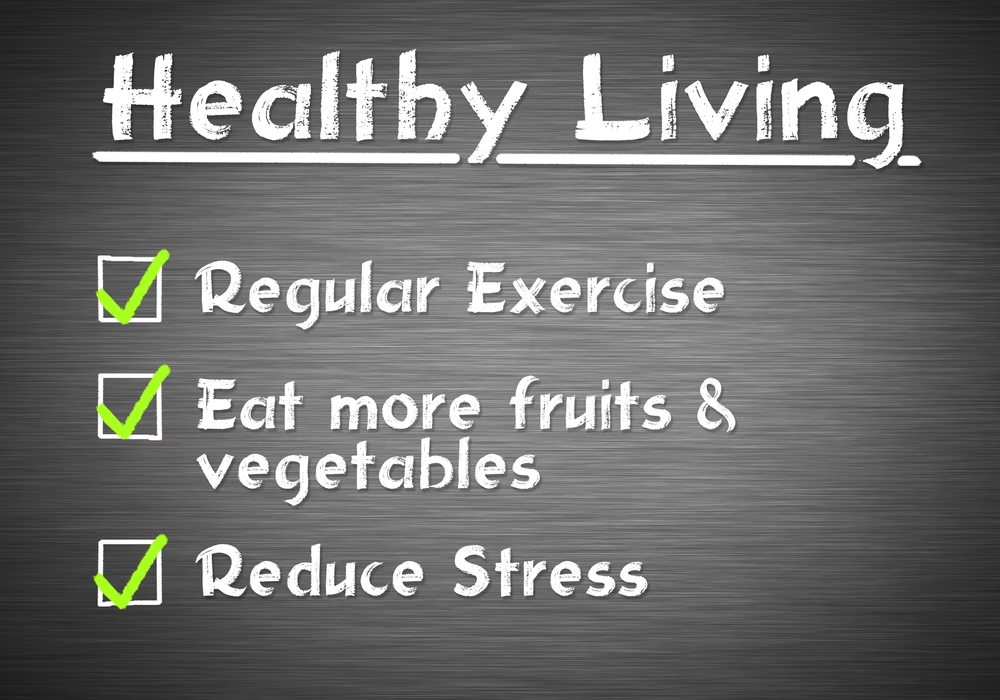
If you walked in with clear arteries, you’d still have to eat better, move more, and manage stress. It’s not something that goes away because you’ve got a pretty extensive disease; it’s more important. At SAAOL Heartcare Delhi, this is translated as:
- Plant-based, zero-oil meals—no fluff, just radical artery-cleaning nutrition
- Walking, meditation, yoga—science-backed heart rehab routines
- Stress management: 10-minute daily breath practice
- SAAOL Detox Therapy
- No phony promises—small wins, realistic progress
This isn’t about perfection. It’s about turning the tide.
EECP Therapy–The Alternative to Bypass Surgery
Traditional medicine often leaves EECP out. But every week at SAAOL Heartcare Delhi, patients with triple vessel disease come in—and walk out with deeper collateral flow and better exercise tolerance.
Here’s how it works:
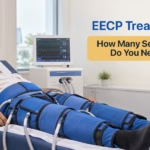
- You lie on a comfortable bed
- Your legs get squeezed rhythmically by inflatable cuffs
- Every session builds up the natural bypasses in your heart
No stents, no surgery. It creates collateral circulation, which reduces the pressure on those blockages. Globally, EECP has demonstrated significant relief in chest pain. But in SAAOL, we’ve observed ejection fraction (EF) improvements and heart function recovery that physicians had long believed could only be achieved with bypass or stents.
When to Have Bypass Surgery?
Let’s be honest: bypass is still necessary sometimes. But before you make that decision, let’s discuss:
- Are you symptomatic — chest pain, breathlessness, blackouts?
- Is your heart’s pumping power decreased severely (<40%)?
- Have you attempted 3–6 months of non-invasive heart treatment and had no meaningful relief?
That matters. The reason for that is that patients with reduced EF have improved simply with the combination of EECP therapy & lifestyle modifications, and never underwent surgery.
Fight for Total Heart Disease Reversal (Not Symptom Control)

Once blockages or triple vessel disease are identified, it’s easy to get completely, single-mindedly focused on arteries. But the real battle is metabolic and lifestyle.
Inside-out approach (“SAAOL Style”):
- Nutrition: Learn about the ingredients that heal, such as berries, and the techniques of cooking, including Zero-oil Cooking.
- Movement: Not gym rituals—regular walking, stair climbs, mobility
- Mindset: Stress suppression isn’t optional—it’s critical to lower cortisol and inflammation
- Supplements, if needed: CoQ10, vitamin D—only under supervision
Did you know these facts about heart disease treatment?
- 90% of cardiovascular disease is preventable with a proper diet and lifestyle
- Studies show EECP plus lifestyle intervention can reduce angina and improve quality of life in up to 85% of triple-vessel disease patients or people with 3 heart blockages.
- Many patients with poor initial EF gain 10–20% EF within a year of the continuous SAAOL approach
That’s not hype. That’s life.
You’re Not Alone
Facing triple vessel disease alone is terrifying. But support is everywhere; you just need to be willing to participate in group coaching sessions, peer support, once-a-month physicals, and daily encouragement. Because your doctors can do a lot, but only you can heal yourself by choosing the right path.
SAAOL Heart Disease Reversal Program (Your Personalized Plan)
- Re-evaluate your angiogram: FFR, anatomy, EF
- Start EECP therapy (35–40 sessions)
- Begin nutrition reset
- Monitor progress—TMT, EF, stress, daily energy
- Reassess after 3–6 months
Too often, patients who thought bypass was mandatory are treated successfully that too without any surgery.
Final Truth
Hearing “3 heart blockages or triple vessel disease” shook your world. It might have broken it for a moment. But this is still your story. By choosing non-invasive heart treatment, transparent information and safer alternatives, you’re not just surviving—you may well thrive—with or without any form of surgery. Surgery is a route, but not the only one. The path of healing without cuts is real. And it starts with believing you deserve to fight on your terms.
Ready to Make That Choice?
Call SAAOL Heartcare Delhi and set your first non-invasive heart treatment appointment with Dr. Bimal Chhajer. Let us equip you to avoid bypass surgery—with real data, real care, and real hope
Because the story doesn’t end with “three blockages.”
It begins there.
FAQs
Q1. Is triple vessel disease always dangerous?
Triple vessel disease is considered a serious heart condition because all three major coronary arteries are affected. However, the level of risk varies. Some people remain stable for years with proper treatment, while others may require urgent intervention if blood flow is severely reduced or symptoms are severe.
Q2. Can you live a long life with triple vessel disease?
Many people live for years after being diagnosed with triple vessel disease when it is detected early and managed properly. Regular follow-up, healthy lifestyle changes, medicines, and timely treatment can help improve quality of life and reduce the risk of future heart complications.
Q3. What foods should be avoided in triple vessel disease?
People with triple vessel disease should limit foods high in saturated fat, trans fat, excess salt, refined sugar, and processed meat. A diet rich in vegetables, fruits, whole grains, legumes, and fibre is generally recommended to support heart health.
Q4. Can exercise improve triple vessel disease?
Regular physical activity can improve heart health, circulation, and exercise tolerance when performed under medical guidance. The type and intensity of exercise should depend on the patient’s symptoms, heart function, and doctor’s advice, especially in severe coronary artery disease.
Q5. Does every 90% blockage require bypass surgery?
Not necessarily. Treatment decisions are based on more than the percentage of blockage. Symptoms, blood flow, heart pumping function, and specialised tests such as Fractional Flow Reserve (FFR) also help determine whether surgery, angioplasty, or another treatment approach is appropriate.
Book Appointment

In This Article
- What is Triple Vessel Disease?
- Symptoms of Triple Vessel Disease
- What does “3 Heart Blockages” Mean?
- What Causes Triple Vessel Disease?
- When Should You See a Doctor Immediately?
- Treatment Options for Triple Vessel Disease
- 1. Lifestyle Changes
- 2. Medicines
- 3. EECP Therapy
- 4. Angioplasty
- 5. Bypass Surgery
- Ask These Questions before choosing Bypass Surgery
- How Lifestyle Modifications and Non-invasive Treatment Options Change Everything
- EECP Therapy–The Alternative to Bypass Surgery
- When to Have Bypass Surgery?
- Fight for Total Heart Disease Reversal (Not Symptom Control)
- Did you know these facts about heart disease treatment?
- SAAOL Heart Disease Reversal Program (Your Personalized Plan)
- Final Truth
- FAQs
×
Request for a Call Back
Thank You! We'll get back to you shortly.