

All
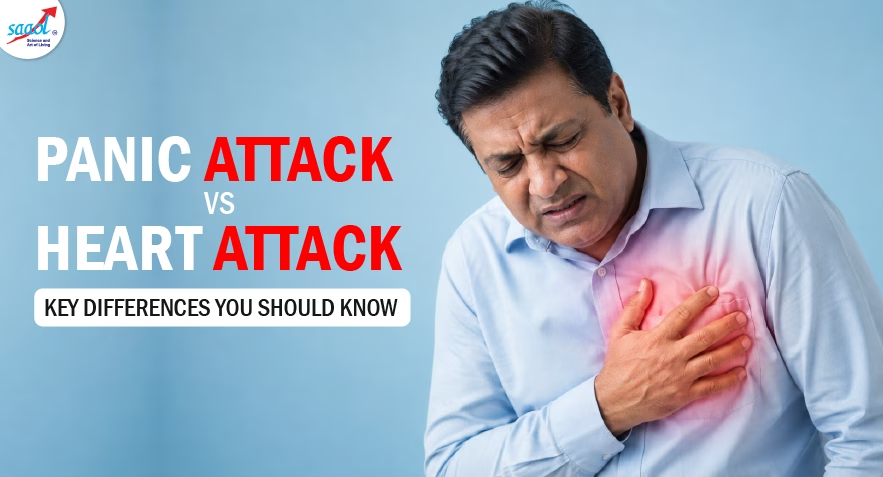
Panic Attack vs Heart Attack: Key Differences You Should Know
A panic attack and a heart attack can both cause chest pain, breathlessness, sweating and a racing heartbeat. A panic attack often starts suddenly, peaks within minutes and may cause trembling, tingling and intense fear. A heart attack may cause persistent chest pressure or heaviness that spreads to the arm, jaw, neck or back. However, these differences are only clues, symptoms alone cannot confirm the cause. If the discomfort is new, severe or persistent, seek emergency medical help immediately.
Chest pain. Sweating. A racing heartbeat.
In those few terrifying moments, many people ask themselves one question: “Am I having a panic attack, or is this a heart attack?”
Both conditions can cause similar symptoms, but one is a medical emergency that should never be ignored.
Understanding the differences can help you seek the right care without delay.
This blog explains the key differences between a panic attack vs heart attack, how doctors identify the cause and when you should seek urgent medical care.
What Is a Panic Attack?
A panic attack is a sudden surge of intense fear or discomfort. Your body releases stress hormones and switches on its “fight-or-flight” response, even when no immediate physical danger is present.
According to the US National Institute of Mental Health, panic attack symptoms in adults may include:
- A pounding or racing heart
- Chest pain or tightness
- Shortness of breath
- Sweating or chills
- Trembling
- Dizziness or weakness
- Tingling or numb hands
- Nausea or stomach discomfort
- Fear of dying or losing control
- Feeling detached from yourself or your surroundings
Your breathing may become rapid. Your heart may pound. Muscles around your chest can tighten. Overbreathing, called hyperventilation, can lower carbon dioxide levels in the blood and cause dizziness, tingling or numbness.
A panic attack can happen during emotional stress, while travelling, in a crowded place or even during sleep. Sometimes, there is no obvious trigger.
What Is a Heart Attack?
A heart attack, medically called a myocardial infarction, occurs when blood flow to part of the heart becomes severely reduced or blocked, depriving the heart muscle of oxygen.
According to the US National Heart, Lung, and Blood Institute, symptoms may include:
- Chest pressure, heaviness or pain
- Pain spreading to the arm, jaw, neck or back
- Shortness of breath
- Cold sweating
- Nausea or dizziness
- Unusual tiredness
Heart attack symptoms may begin suddenly or develop gradually. A heart attack can damage the heart muscle and requires immediate medical attention.
Why Can a Panic Attack Feel Like a Heart Attack?
A panic attack can feel like a heart attack because both activate strong physical responses in the body and the symptoms overlap, including:
- Chest pain or tightness
- A pounding or racing heartbeat
- Shortness of breath
- Sweating
- Dizziness or weakness
- Nausea
- A feeling that something terrible is happening
However, neither condition always follows the typical pattern.
What Is the Difference Between Panic Attack and Heart Attack Symptoms?
Panic attacks and heart attacks share many symptoms, but the way they begin, feel and progress may offer important clues.
These signs may help you understand the difference, but they cannot confirm the cause.
| Feature | Panic attack | Heart attack |
| Underlying cause | An intense fear or stress response | Reduced or blocked blood flow to the heart |
| Onset | Often sudden and may reach peak intensity within minutes | May begin suddenly or build gradually |
| Chest sensation | Tightness, sharp pain or discomfort; pattern varies | Pressure, heaviness, squeezing, burning or discomfort; pattern varies |
| Pain location | May remain in the chest | May spread to one or both arms, jaw, neck, back, shoulders or upper abdomen |
| Emotional symptoms | Intense fear, loss of control or feeling detached may be prominent | Anxiety or a sense of doom can also occur |
| Other clues | Trembling, tingling, rapid breathing, chills or hot flashes | Unexplained cold sweat, nausea, marked weakness or unusual fatigue |
| Course | Often peaks quickly and gradually settles | May persist, worsen or come and go over several hours |
| Medical urgency | Needs assessment if new or uncertain | Medical emergency |
The US National Heart, Lung, and Blood Institute notes that heart attacks do not always begin with sudden, crushing pain. Symptoms may start slowly, remain mild or come and go.
Women, older adults and people with diabetes may experience less typical symptoms, including:
- Breathlessness without severe chest pain
- Nausea or indigestion-like discomfort
- Jaw, back or shoulder pain
- Sudden dizziness
- Unusual exhaustion
- Cold sweating
Women can explore these less-recognised heart attack warning signs in greater detail.
When Should You Treat the Symptoms as a Heart Emergency?
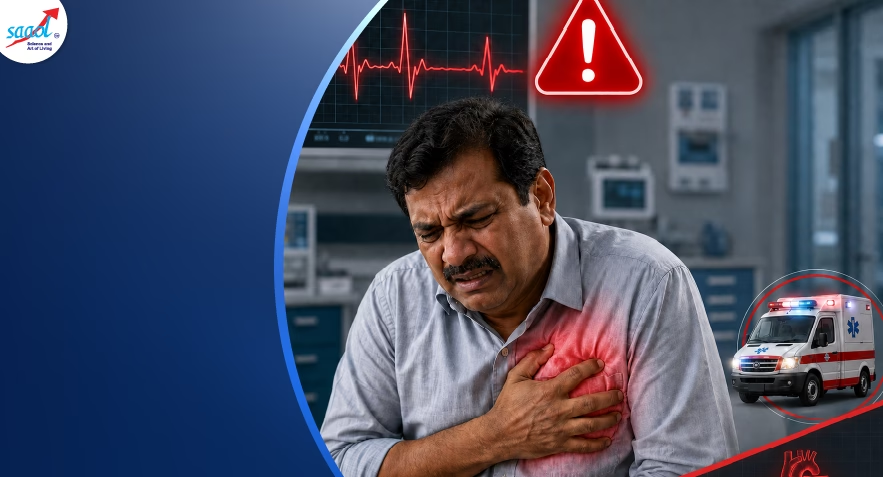
Call India’s emergency number or an ambulance if you have:
- New or persistent chest pressure, heaviness or pain
- Pain spreading to the arm, jaw, neck or back
- Severe breathlessness, cold sweating, vomiting or fainting
- Symptoms during physical activity
- Symptoms different from previous panic attacks
- Any doubt about whether it is a panic attack or heart attack
Do not drive yourself or delay care while trying breathing exercises. Younger adults should also take these signs seriously, as Indians may develop heart disease at an earlier age.
Worried About Your Heart Symptoms?
If you’ve experienced chest discomfort, unexplained breathlessness, or recurrent episodes that concern you, consult us promptly instead of self-diagnosing.
How Do Doctors Confirm Whether It Is Panic or a Heart Attack?
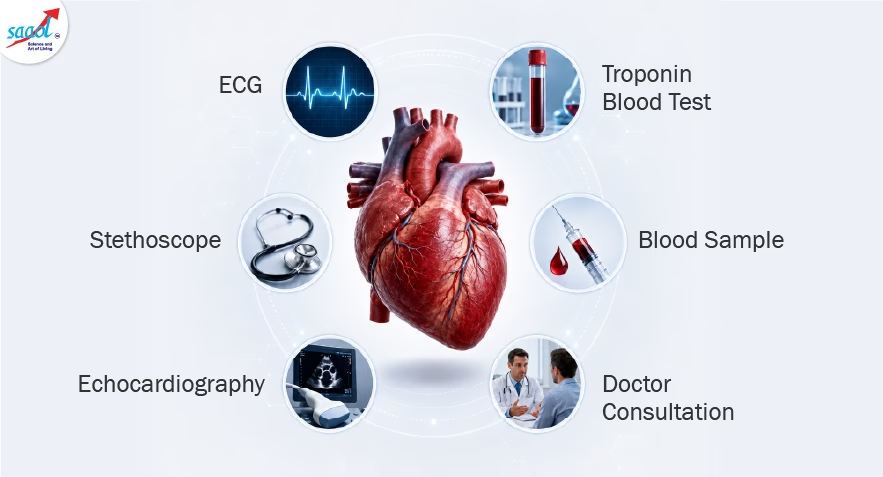
Doctors first rule out dangerous physical causes. They do not diagnose panic solely because someone looks anxious.
Your evaluation may include:
Medical history and physical examination
The medical team will ask:
- When did the symptoms begin?
- What were you doing at the time?
- How long did they last?
- Did the discomfort spread anywhere?
- Have you experienced this before?
- Do you have diabetes, hypertension, high cholesterol or a family history of heart disease?
Electrocardiogram
An ECG records the heart’s electrical activity. It may show changes caused by reduced blood supply or heart-muscle injury. However, one normal ECG does not exclude every heart attack.
Cardiac troponin blood test
A troponin test uses a blood sample to check for heart-muscle damage. Doctors may repeat the test because the level can change over several hours.
Troponin is a protein released into the blood when heart-muscle cells are damaged. A high or rising troponin level suggests that the heart muscle has been damaged. However, it does not always mean a heart attack, so doctors interpret it with symptoms and other tests.
Depending on your symptoms and risk, doctors may recommend an echocardiogram, chest imaging, coronary imaging or a stress test.
What If Your Symptoms Are Caused by Heart Disease?
If tests confirm heart disease, treatment will depend on the cause and severity. A heart attack requires immediate hospital care. For selected patients with stable heart disease and recurring angina, EECP Therapy may help improve blood flow and reduce symptoms without surgery.
At SAAOL Heartcare Delhi, EECP is combined with medical supervision, diet and lifestyle changes to support long-term heart health. A proper evaluation is necessary to determine whether it is suitable for you.
Does a Panic Attack Cause a Heart Attack?
A typical panic attack does not directly create the coronary-artery blockage responsible for most heart attacks.
During panic, adrenaline can temporarily raise heart rate and blood pressure. This may feel dangerous, but the episode itself is not normally life-threatening. However, three important qualifications matter:
- A heart attack can trigger fear and panic-like sensations.
- Someone with panic disorder can still develop heart disease.
- Severe emotional stress may rarely contribute to coronary spasm or stress-induced cardiomyopathy in susceptible people.
Research has found associations between anxiety disorders and cardiovascular disease, but association does not prove that an individual panic attack caused a heart attack. Shared factors, including smoking, poor sleep, inactivity and chronic stress, may contribute.
Your safest approach is to take both problems seriously:
Rule out a cardiac emergency first, then address recurring panic with appropriate mental-health care.
Key Takeaway: Clarity Is Safer Than Guesswork
Chest pain and a racing heart can feel frightening. It is always safer to seek medical help than assume it is anxiety. If symptoms keep returning, a proper assessment can help identify the cause and evaluate your cardiovascular risk.
Book a consultation with SAAOL Heartcare Delhi for guidance based on your symptoms, medical history and heart-risk profile.
Know the cause before fear takes over.
FAQs
Q1. Can a panic attack damage your heart?
A short, uncomplicated panic attack does not usually damage a healthy heart. It can temporarily increase heart rate and blood pressure. Recurrent palpitations, fainting, exertional symptoms or chest discomfort still require medical evaluation.
Q2. Can you have a heart attack with a normal heart rate?
Yes. A heart attack can occur even when the heart rate is within the normal range. Heart rate alone cannot diagnose or rule out a heart attack; doctors assess symptoms along with an ECG and cardiac troponin blood tests.
Q3. Can an ECG detect a panic attack?
No. An ECG does not diagnose a panic attack. It assesses the heart’s electrical activity and helps doctors identify or rule out certain cardiac causes of chest pain and palpitations.
Q4. What is the difference between a panic attack and an anxiety attack?
A panic attack is a recognised clinical episode involving a sudden surge of intense fear or discomfort. “Anxiety attack” is not a formal diagnosis and is commonly used to describe anxiety that builds more gradually around a worry or stressful situation.
Q5. What is the difference between a panic attack and panic disorder?
A panic attack can occur once or occasionally. Panic disorder involves recurrent, unexpected attacks followed by at least one month of persistent worry, concern about their consequences or behaviour changes intended to avoid another attack.
Q6. Why do panic attacks sometimes happen during sleep?
Nocturnal panic attacks can wake a person with a racing heart, sweating and breathlessness. However, night-time symptoms may also result from heart disease, sleep apnoea, reflux or an abnormal heart rhythm and should not automatically be labelled panic.
Disclaimer: This information is for educational purposes only and should not replace professional medical advice, diagnosis or treatment. Always consult a qualified healthcare professional about your symptoms. In case of emergency, seek medical help immediately. care rather than an outpatient consultation.
Book Appointment




In This Article
- What Is a Panic Attack?
- What Is a Heart Attack?
- Why Can a Panic Attack Feel Like a Heart Attack?
- What Is the Difference Between Panic Attack and Heart Attack Symptoms?
- When Should You Treat the Symptoms as a Heart Emergency?
- How Do Doctors Confirm Whether It Is Panic or a Heart Attack?
- Medical history and physical examination
- Electrocardiogram
- Cardiac troponin blood test
- What If Your Symptoms Are Caused by Heart Disease?
- Does a Panic Attack Cause a Heart Attack?
- Key Takeaway: Clarity Is Safer Than Guesswork
- FAQs
×
Request for a Call Back
Thank You! We'll get back to you shortly.