

All
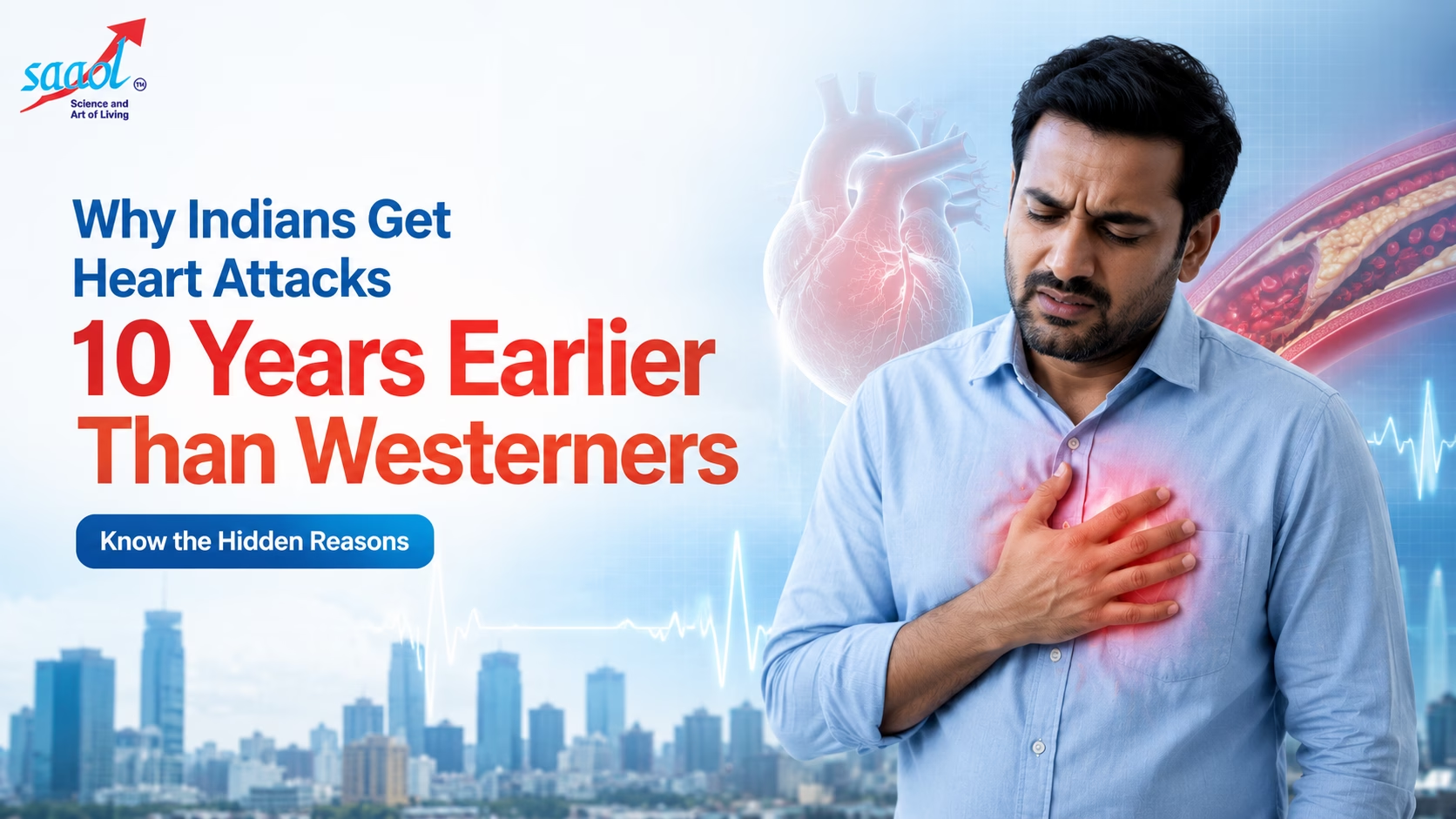
Why Indians Get Heart Attacks 10 Years Earlier Than Westerners
Indians get heart attacks nearly 10 years earlier than Westerners. The reason is not one single factor. It is a combination of genetic predisposition and lifestyle-related risks. Higher rates of insulin resistance, diabetes, abdominal fat, high cholesterol, chronic stress and air pollution can begin damaging the arteries at a younger age. As a result, many Indians develop heart disease in their 30s and 40s instead of later in life.
Imagine two people with the same cholesterol, same weight and similar lifestyle. One is Indian and the other is European. Research suggests the Indian may still develop heart disease years earlier. Why does this happen?
This blog explains why Indians get heart attacks 10 years earlier than westerners. Read it through, it may help you understand your own heart risk better.
What Do the Statistics Reveal?
The large INTERHEART study found that the average age of a first heart attack was 53 years in South Asian countries, compared with 58.8 years in other countries.
Researchers also noted that cardiovascular deaths in South Asia generally occur around 5–10 years earlier than in Western countries.
According to WHO India,, cardiovascular diseases account for approximately 27% of deaths in India and 45% of deaths among people aged 40–69.
Why Do Indians Develop Heart Disease Earlier Than Westerners?
Indian ancestry is recognised as a cardiovascular risk enhancer. It’s not because of genetics but metabolic health, family history and body-fat distribution.
The “thin-fat” Indian pattern: Visceral fat
Visceral fat is the hidden fat stored deep inside your belly, around organs such as the liver and pancreas.
An Indian may look slim but still carry excess visceral fat around the liver, pancreas and other organs.
Even if your BMI is normal, it cannot show whether your body stores visceral fat.
Visceral fat can promote:
- Inflammation
- Insulin resistance
- Abnormal cholesterol
- High blood pressure
According to the American Heart Association, South Asians/Indians are more likely to carry visceral fat than westerners.
Image : Visceral fat
Hidden cholesterol-related risks
Compared with many Western populations, Indians are more likely to develop certain hidden cholesterol-related risks:
- High triglycerides: Too much fat circulates in the blood.
- Low HDL: Less “good” cholesterol is available to remove excess cholesterol.
- High ApoB: More harmful cholesterol particles can enter the artery walls.
- High Lp(a): This inherited particle can increase plaque and blood-clot risk, even when routine cholesterol appears normal.
Which Everyday Indian Habits Push the Risk Higher?
Refined carbohydrates and processed foods
A study examining dietary patterns among Asian Indians found that food choices were associated with cardiometabolic risk factors.
Many Indian diets contain large portions of polished rice, maida products, sweets, sugary drinks and packaged snacks.
Also, many Indian foods are deep-fried and high in saturated or trans fats that may further worsen cholesterol-related risk.
Less physical Activity
The INTERHEART study found that South Asian participants had lower levels of protective factors such as physical activity and regular fruit and vegetable intake.
Only 6.1% reported moderate or high-intensity exercise, compared with 21.6% in other countries, while daily fruit and vegetable intake was 26.5% versus 45.2%.
Stress, poor sleep and tobacco
Chronic stress raises cortisol, which can increase blood pressure, inflammation and disturb sleep. Tobacco further damages blood vessels and increases clotting risk.
For many Indians, these factors combine with diabetes, abdominal fat and high pollution exposure, increasing heart risk earlier than in many Western populations.
What Should Indians Aged 25–45 Do Now?
Start by understanding your personal heart risk, especially if you have diabetes, hypertension, abdominal obesity, kidney disease, tobacco exposure, a family history of premature heart disease, or prolonged work-related stress .
Ask your doctor which health checks are appropriate for you, and read our guide on what young adults can do to reduce their heart-attack risk.
People already diagnosed with coronary disease or stable angina can explore SAAOL’s comprehensive heart-health treatments.
The Takeaway: Can India Change This Pattern?
Yes.
The earlier onset of heart disease is strongly connected with risk factors that doctors can identify, manage and monitor.
Controlling blood pressure and diabetes, stopping tobacco, improving food quality, moving every day, sleeping consistently and seeking timely medical care can meaningfully reduce the risk.
If you are 25 or older, do not wait for chest pain to learn your numbers.
Book a preventive heart assessment with SAAOL Heartcare Delhi and receive guidance based on your actual health, not your age, appearance or assumptions.
FAQs
Q1. Does snoring increase the risk of a heart attack?
Loud, frequent snoring may indicate obstructive sleep apnoea, a condition that repeatedly interrupts breathing during sleep. Untreated sleep apnoea can contribute to high blood pressure and other cardiovascular problems. People with loud snoring, choking during sleep or daytime sleepiness should consult a doctor.
Q2. Can mental stress alone cause a heart attack?
Stress alone may not directly cause every heart attack, but chronic stress can increase blood pressure, disturb sleep and encourage unhealthy behaviours such as smoking or overeating. Sudden emotional stress may also trigger a cardiac event in someone who already has underlying heart disease.
Q3. Is a normal ECG enough to confirm that the heart is healthy?
No. A resting ECG records the heart’s electrical activity at that particular moment and may appear normal even when coronary artery disease is present. Doctors consider symptoms, risk factors, physical examination and other tests before deciding whether further cardiac evaluation is necessary.
Q4. Can vegetarians also develop heart disease?
Yes. A vegetarian diet is not automatically heart-healthy. Diets containing excessive sweets, refined carbohydrates, fried foods, saturated fat, salt and packaged snacks may still increase cardiovascular risk. A balanced diet should focus on vegetables, fruits, pulses, whole grains, nuts and minimally processed foods.
Q5. Does alcohol protect Indians from heart attacks?
Alcohol should not be started for heart protection. Any possible cardiovascular association must be weighed against risks such as high blood pressure, abnormal heart rhythm, liver disease and certain cancers. People who do not drink should not begin, while existing drinkers should discuss individual risk with a doctor.
Q6. Can COVID-19 increase the risk of heart problems?
COVID-19 can affect the cardiovascular system by increasing inflammation, clotting tendency and stress on the heart, particularly during severe infection. Some people may experience ongoing chest discomfort, breathlessness or palpitations after recovery. Persistent or severe symptoms require proper medical evaluation rather than self-diagnosis.
Q7. Should people with a family history take statins preventively?
Not everyone with a family history automatically needs a statin. The decision depends on overall cardiovascular risk, including age, LDL cholesterol, diabetes, blood pressure, tobacco use and other risk-enhancing factors. A doctor should assess the benefits and possible risks before prescribing cholesterol-lowering medication.
Q8. Can a fit-looking person have a heart attack?
Yes. Physical appearance cannot reveal visceral fat, high blood pressure, abnormal blood sugar, Lp(a), coronary plaque or an inherited rhythm disorder. Exercise reduces risk, but it does not make anyone completely risk-free.
Q9. At what age should Indians begin heart check-ups?
There is no universal cardiac test package for every age. Adults should know their blood pressure, glucose and cholesterol numbers early. Those with symptoms, diabetes, hypertension, tobacco exposure or a premature family history need personalised medical advice sooner.
Q10. Do gym workouts cause heart attacks?
Exercise generally protects the heart. Very intense activity may trigger an event in someone with unrecognised heart disease, uncontrolled risk factors or unsafe stimulant use.
Q11. Can lifestyle changes reduce existing heart risk?
Yes. Lifestyle changes can improve blood pressure, blood sugar, cholesterol, fitness and symptoms. People with diagnosed coronary disease should combine lifestyle care with prescribed medicines and regular cardiology follow-ups.
Q12. Which symptoms require emergency attention?
Chest pressure, breathlessness, cold sweating, fainting, nausea or pain spreading to the arm, back, neck or jaw may indicate a heart attack. Seek emergency medical care immediately.
Book Appointment



In This Article
- What Do the Statistics Reveal?
- Why Do Indians Develop Heart Disease Earlier Than Westerners?
- The “thin-fat” Indian pattern: Visceral fat
- Hidden cholesterol-related risks
- Which Everyday Indian Habits Push the Risk Higher?
- Refined carbohydrates and processed foods
- Less physical Activity
- Stress, poor sleep and tobacco
- What Should Indians Aged 25–45 Do Now?
- The Takeaway: Can India Change This Pattern?
- FAQs
×
Request for a Call Back
Thank You! We'll get back to you shortly.