

All
Can You Have Normal Blood Pressure and a Heart Attack?
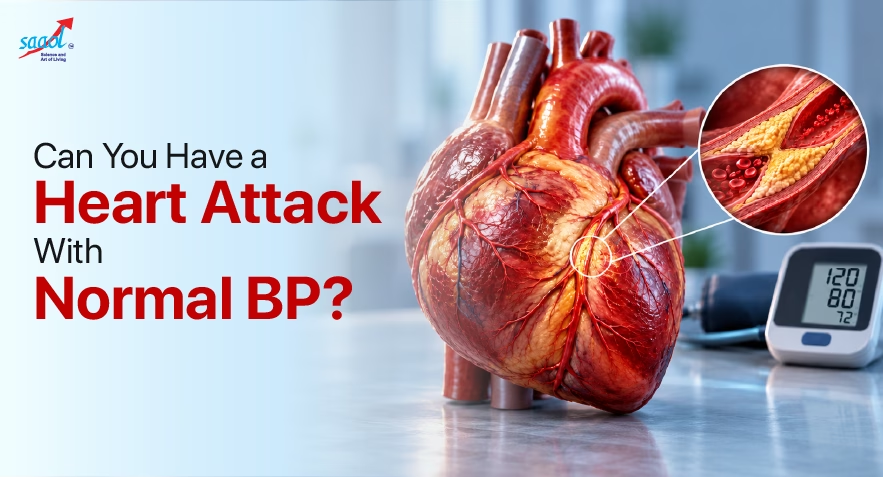
Yes, you can have a heart attack even if your blood pressure is normal. Normal BP is a positive sign, but it cannot rule out coronary artery disease or a heart attack. Blood pressure measures the force of blood against artery walls; it does not show whether the arteries supplying your heart are narrowed or suddenly blocked. High cholesterol, diabetes, smoking and family history can still increase your risk.
Seeing a normal reading on your BP monitor can feel reassuring. You may think, “My BP is fine, so my heart must be fine too.” But that reading tells only part of the story, especially if you have chest discomfort, breathlessness or other risk factors.
This blog explains whether you can have normal blood pressure and still have a heart attack, what your BP monitor cannot reveal and when to seek medical help.
Your BP Looks Fine. What Can It Miss?
Blood pressure tells you how strongly blood pushes against your artery walls. The top number measures the pressure when your heart beats. The bottom number measures it when your heart relaxes between beats.
The American Heart Association classifies normal blood pressure as systolic pressure below 120 mmHg and diastolic pressure below 80 mmHg. However, these numbers measure blood pressure, not the condition of your heart’s arteries.
A normal BP does not mean your heart’s arteries are clear. A BP monitor cannot detect plaque or blood clots, or tell you whether your heart is getting enough oxygen.
Your BP reading is useful, but it is only one part of your heart health.
Why Can a Heart Attack Happen With Normal BP?
High BP is one risk factor for a heart attack, but it is not a requirement. High cholesterol, diabetes, smoking and family history can increase your risk even when your BP stays normal.
For example, a person with normal BP may still have high cholesterol that contributes to fatty buildup in the heart’s arteries. Smoking and diabetes can also damage blood vessels, adding to the risk.
According to the CDC, cholesterol, smoking, diabetes, inactivity, excess weight, age and family history also influence cardiovascular risk.
Does High Blood Pressure Always Mean You Have Heart Disease?
No, high blood pressure alone does not mean you have heart disease. It is a separate condition called hypertension that increases your risk of developing heart disease.
According to the CDC, uncontrolled high BP can damage blood vessels and strain your heart, increasing the risk of heart attack and heart failure.
Heart disease can also occur when BP is normal. If medication controls your BP, continue taking it as prescribed. A normal reading may mean the treatment is working.
Which Symptoms Need Urgent Attention Even When BP Is Normal?

Possible heart-attack symptoms need emergency assessment regardless of your BP reading. They can include:
- Chest pressure, tightness, heaviness or discomfort.
- Discomfort spreading to an arm, shoulder, jaw, neck or back.
- Breathlessness, with or without chest discomfort.
- Cold sweating, nausea, lightheadedness or sudden unusual weakness.
Chest discomfort remains the most common symptom in both women and men. However, symptoms may be mild or less obvious.
Some experience heart-attack warning symptoms before an acute event, while others do not. There is no reliable symptom countdown.
If you experience symptoms that could indicate a heart attack, seek emergency medical help immediately.
What Tests Assess Heart Risk Beyond Blood Pressure?
The right tests depend on whether you have urgent symptoms or need a preventive assessment.
| When needed | Tests doctors may recommend | What they check |
| If a heart attack is suspected | ECG and troponin blood tests | Changes in heart activity and signs of heart-muscle damage |
| For a routine heart-risk check | Cholesterol and blood-sugar tests | Risk factors that a BP reading cannot reveal |
| When a closer risk assessment is needed | Lp(a), apoB or a coronary calcium scan | Inherited cholesterol-related risk, harmful blood particles or calcium buildup in heart arteries |
Your doctor will choose the tests based on your symptoms, medical history and overall risk. You do not need every test.
How Can You Protect Your Heart When Your BP Is Normal?
Start with your overall risk rather than repeatedly checking one number.
- Review your history: Tell your doctor about diabetes, tobacco use, medicines and relatives with early heart disease.
- Check relevant blood markers: Discuss cholesterol and blood-sugar testing, with follow-up based on your results.
- Build sustainable habits: Eat more vegetables, fruit, pulses and whole grains; limit excess salt, added sugar and foods high in saturated or trans fats.
- Move regularly: The WHO recommends 150–300 minutes of moderate activity weekly for adults. If you have symptoms or known heart disease, ask about a suitable exercise plan first.
- Follow prescribed treatment: Lifestyle changes and medicines can work together.
Normal BP is encouraging, but it is only one part of protecting your heart.
The Final Insights
For a personalised review, book a consultation at SAAOL Heartcare Delhi For possible heart-attack symptoms, seek emergency care immediately.
Frequently Asked Questions
Q1. Can I ignore chest discomfort if it goes away?
No. Chest discomfort that disappears can still need urgent assessment because heart-attack symptoms may come and go. Discomfort can return. If it occurs with breathlessness, sweating, nausea or pain spreading to your arm or jaw, seek emergency care immediately.
Q2. Can a normal pulse or smartwatch reading rule out a heart attack?
No. A normal pulse or smartwatch reading cannot confirm that blood flows freely through your heart’s arteries. A heart attack affects blood supply, while these devices mainly track pulse or rhythm. Doctors assess symptoms alongside ECG findings and blood tests that check for heart-muscle injury.
Q3. Can I need a statin even without hypertension?
Yes. Statins lower LDL cholesterol and help reduce cardiovascular risk; their use does not depend on having high BP. The 2026 ACC/AHA guideline bases treatment decisions on cholesterol levels, diabetes, existing artery disease and overall risk. Your doctor will assess whether you could benefit.
Q4. Does a normal ECG guarantee that I am not having a heart attack?
No. An ECG records your heart’s electrical activity, but some heart attacks do not show clear changes on the first recording. Doctors also assess your symptoms and troponin blood tests, which detect heart-muscle injury. Repeat testing may be needed, especially if symptoms continue.
Q5. Is low BP automatically safer for the heart?
No. Low BP is not automatically healthier, although it can be normal for some people without symptoms. The American Heart Association advises assessment when low readings occur with symptoms such as dizziness, fainting or confusion. Very low pressure can reduce blood flow to vital organs.
Q6. Can family history matter if all my routine readings are normal?
Yes. Normal BP, cholesterol and blood-sugar readings do not eliminate inherited heart risk. If a parent or sibling developed heart disease at a young age, tell your doctor. This history can influence your overall risk assessment and help guide personalised screening and prevention decisions.
Disclaimer: This article provides general education, not a diagnosis or individual treatment advice. Seek professional evaluation for symptoms and personal risk assessment.
Book Appointment





In This Article
- Your BP Looks Fine. What Can It Miss?
- Why Can a Heart Attack Happen With Normal BP?
- Does High Blood Pressure Always Mean You Have Heart Disease?
- Which Symptoms Need Urgent Attention Even When BP Is Normal?
- What Tests Assess Heart Risk Beyond Blood Pressure?
- How Can You Protect Your Heart When Your BP Is Normal?
- The Final Insights
- Frequently Asked Questions
- Q1. Can I ignore chest discomfort if it goes away?
- Q2. Can a normal pulse or smartwatch reading rule out a heart attack?
- Q3. Can I need a statin even without hypertension?
- Q4. Does a normal ECG guarantee that I am not having a heart attack?
- Q5. Is low BP automatically safer for the heart?
- Q6. Can family history matter if all my routine readings are normal?
×
Request for a Call Back
Thank You! We'll get back to you shortly.