
All
Diet After Angioplasty: What to Eat & Avoid for a Stronger Heart Recovery
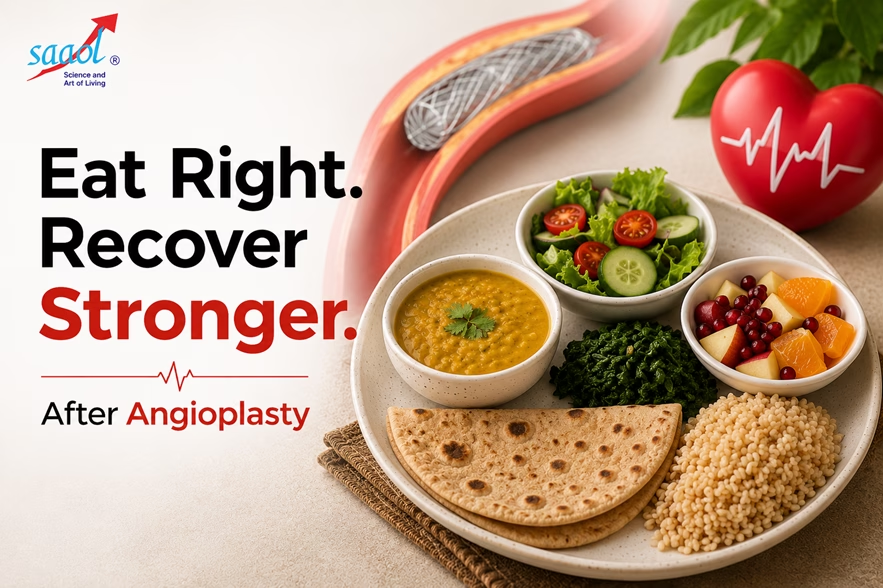
Diet after angioplasty plays a key role in protecting your heart and reducing the risk of future blockages. Focus on high-fiber foods, fruits, vegetables, whole grains, legumes, and healthy unsaturated fats while limiting saturated fats, trans fats, excess salt, and added sugars. Combined with regular physical activity and a heart-healthy lifestyle, these habits can support long-term cardiovascular health.
You’ve had an angioplasty. Blood is flowing better again.
So, is the heart problem over?
Not exactly.
An angioplasty restores blood flow by opening a blocked artery, but it doesn’t stop heart disease. The same factors that caused the blockage, such as high cholesterol, high blood pressure, diabetes, smoking, poor diet, and stress, can continue to affect your arteries if they’re not managed.
The good news is that one of the most effective ways to protect your heart after angioplasty is through your daily diet and lifestyle. In this blog, we’ll explain the diet after angioplasty, which foods to avoid, and how your daily diet can help protect your heart in the long run.
What Should Your Diet Look Like After Angioplasty?
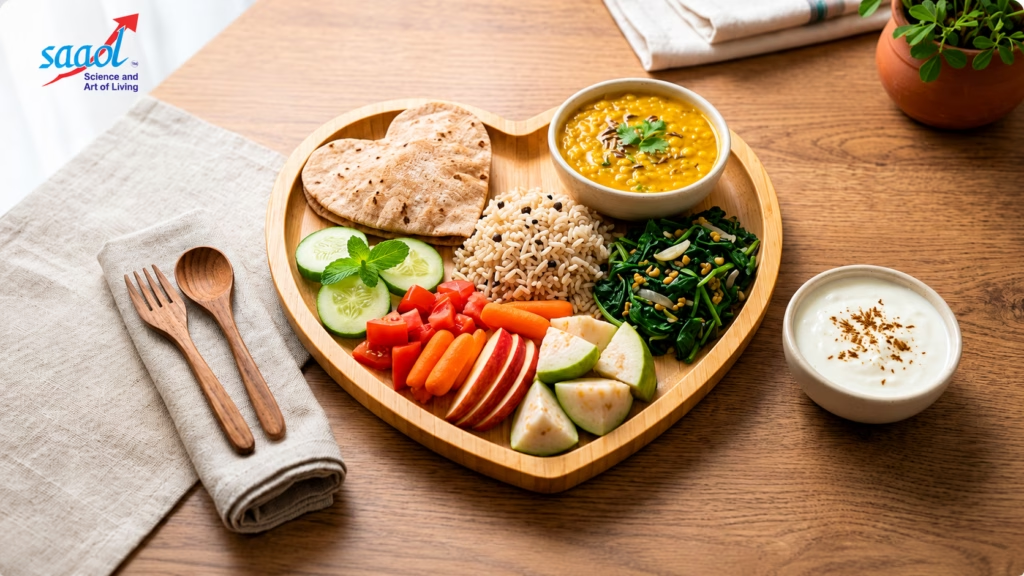
After angioplasty, your diet should focus on one simple goal:
Reduce the factors that can lead to another blockage.
That means eating everyday heart-friendly foods like whole grains, fruits and vegetables, minimally processed foods and cutting down on saturated fat, trans fat, excess salt, and added sugar.
But don’t think of it as a temporary post-angioplasty diet.
Because heart disease is not temporary.
Your diet needs to become a long-term part of how you protect your heart.
A Simple Guide to Eating After Angioplasty
| 🍽️ Food Category | ✅ Choose More Often | ⚠️ Limit or Avoid |
|---|---|---|
| 🌾 Whole Grains | Oats, dalia, brown rice, whole-wheat roti and other minimally processed grains | Maida, white bread, refined cereals, bakery products and packaged noodles |
| 🥗 Fruits & Vegetables | Fresh seasonal fruits, leafy vegetables, salads and cooked vegetables | Fruit juices, canned fruits in syrup and vegetables prepared with excess salt, butter or cream |
| 🫘 Heart-Friendly Proteins | Dal, beans, chickpeas, rajma, tofu, soy products and low-fat curd | Processed meat, fatty red meat and protein-rich foods prepared by deep-frying |
| 🥜 Healthy Fats | Small portions of unsalted nuts and seeds, with cooking oil used only as advised by your dietitian | Butter, ghee, cream, bakery shortening, vanaspati and foods containing trans fats |
| 🧂 Salt & Sodium | Freshly prepared home-cooked meals flavoured with herbs, lemon and spices | Pickles, papad, packaged soups, chips, instant foods, salty snacks and restaurant gravies |
| 🍬 Sugar | Whole fruits and unsweetened drinks | Soft drinks, packaged juices, mithai, cakes, biscuits and sugar-loaded cereals |
| 👨🍳 Cooking Methods | Steaming, boiling, roasting, grilling and light sautéing | Deep-frying and repeatedly reheating or reusing cooking oil |
Why Your Diet Still Matters After Angioplasty?
This is where many patients get confused.
“My blockage is already treated. Why do I still need to change my diet?”
Because a stent treats the blockage.
It does not treat the reason the blockage developed.
If your LDL cholesterol remains high, your blood sugar stays uncontrolled, your blood pressure is high, or your diet continues to be unhealthy, plaque can continue to build inside your arteries.
The 2023 AHA and ACC Guidelines for the Management of Chronic Coronary Disease emphasizes that long-term lifestyle modification, including a heart-healthy diet, regular physical activity, smoking cessation, and cholesterol management, is a cornerstone of secondary prevention after procedures such as angioplasty.
A heart-healthy diet can help:
- Lower LDL or “bad” cholesterol
- Control blood pressure
- Improve blood sugar levels
- Maintain a healthy weight
- Reduce inflammation
- Protect your arteries in the long run
Simply put, angioplasty restores blood flow. Your daily habits help protect it.
What Not to Eat After Angioplasty?
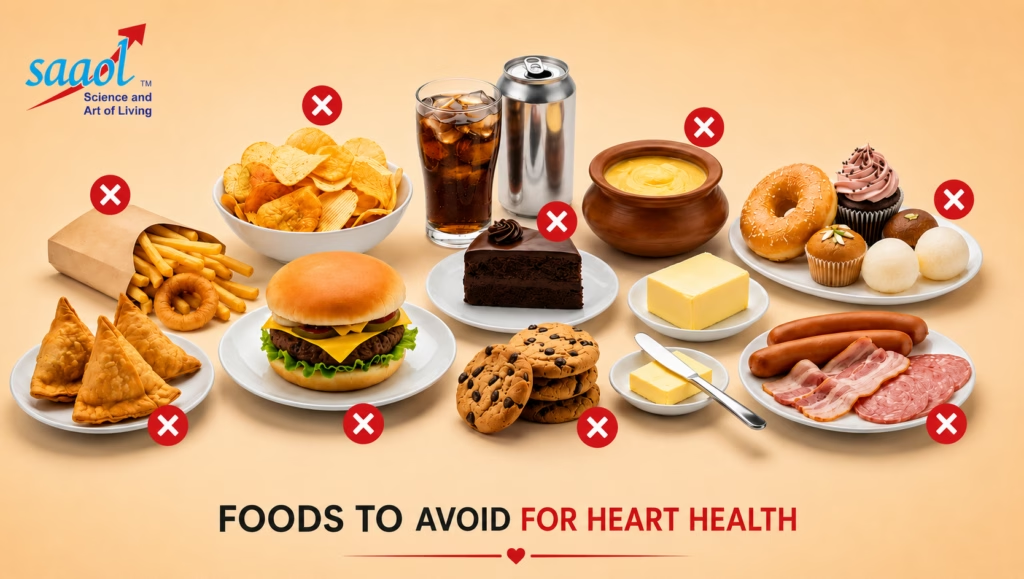
Knowing what to eat is important. But knowing what to cut down on is equally important.
Here’s what you need to watch.
1. Foods High in Saturated Fat
Saturated fat can raise LDL or “bad” cholesterol.
And when LDL remains high, plaque can continue to build inside your arteries.
Limit foods like:
- Butter
- Cream
- Full-fat cheese
- Fatty red meat
- Processed meat
- Ghee
- Bakery shortening
You don’t have to fear food.
But after angioplasty, your arteries need fewer foods that add to the problem.
2. Fried Foods
Samosa with tea.
Pakoras on a rainy day.
Chips while watching TV.
They may feel like small things.
But when fried foods become a regular habit, the extra fat and calories can affect your cholesterol and weight.
Instead, choose steaming, boiling, grilling, or roasting.
The food can stay familiar. The cooking method needs to change.
3. Too Much Salt
Salt does not block your arteries directly.
But too much sodium can raise your blood pressure, making your heart work harder. The World Health Organization (WHO) recommends limiting sodium intake to help reduce the risk of high blood pressure and cardiovascular disease.
Most of the salt you eat, can hide in:
- Pickles
- Papad
- Instant noodles
- Packaged soups
- Processed snacks
- Restaurant gravies
So, don’t just reduce the salt you add while cooking.
Also look at where hidden salt is coming from.
Salt does not block your arteries directly. However, excessive sodium intake can raise blood pressure, making your heart work harder and increasing your cardiovascular risk. According to the World Health Organization, approximately 1.7 million deaths were associated with excessive sodium consumption in 2023. WHO recommends limiting sodium intake to less than 2,000 mg per day, equivalent to less than 5 grams or approximately one teaspoon, of salt from all food sources combined.
4. Added Sugar
A little sugar in your tea may not look dangerous.
But soft drinks, sweets, biscuits, cakes, and sugary cereals can quickly increase your daily sugar intake.
Limit:
- Soft drinks
- Cakes
- Cookies
- Mithai
- Sweetened cereals
- Sugary beverages
Too much added sugar can contribute to weight gain and poor blood sugar control.
And both obesity and diabetes increase your risk of heart disease.
Small Changes That Make a Big Difference
You don’t need to change your entire kitchen overnight.
But you do need to start changing the habits that may have contributed to your heart disease.
Small changes work only when you repeat them every day.
What to Eat in a Day After Angioplasty?
Here is a simple example of what a day of heart-friendly eating can look like.
| 🕒 Time | 🥗 What You Can Eat |
|---|---|
| 🌅 Early Morning | Warm water + 4–5 soaked almonds |
| 🍲 Breakfast | Vegetable oats or daliya |
| 🍎 Mid-Morning | Apple or guava |
| 🍛 Lunch | 2 whole wheat rotis + dal + mixed vegetables + fresh salad |
| ☕ Evening Snack | Green tea (without sugar) + roasted chana |
| 🥣 Dinner | Vegetable soup + tofu + sautéed vegetables |
| 🌙 Before Bed | As advised by your doctor or dietitian |
Looks simple?
That is the point.
But it is always better to follow a dietitian’s advice because health conditions would be different for different individuals.
Healthy Eating Tips After Angioplasty
- Don’t skip meals and then overeat later.
- Try to fill half your plate with vegetables.
- Add a plant-based protein source to your meals.
- Keep your portions controlled.
But remember, there is no one diet plan that works for every heart patient.
Your age, weight, diabetes, kidney health, cholesterol levels, and medications can all affect what you should eat.
So use this meal plan as an example, not a prescription.
What Lifestyle Habits Help You Recover Faster After Angioplasty?
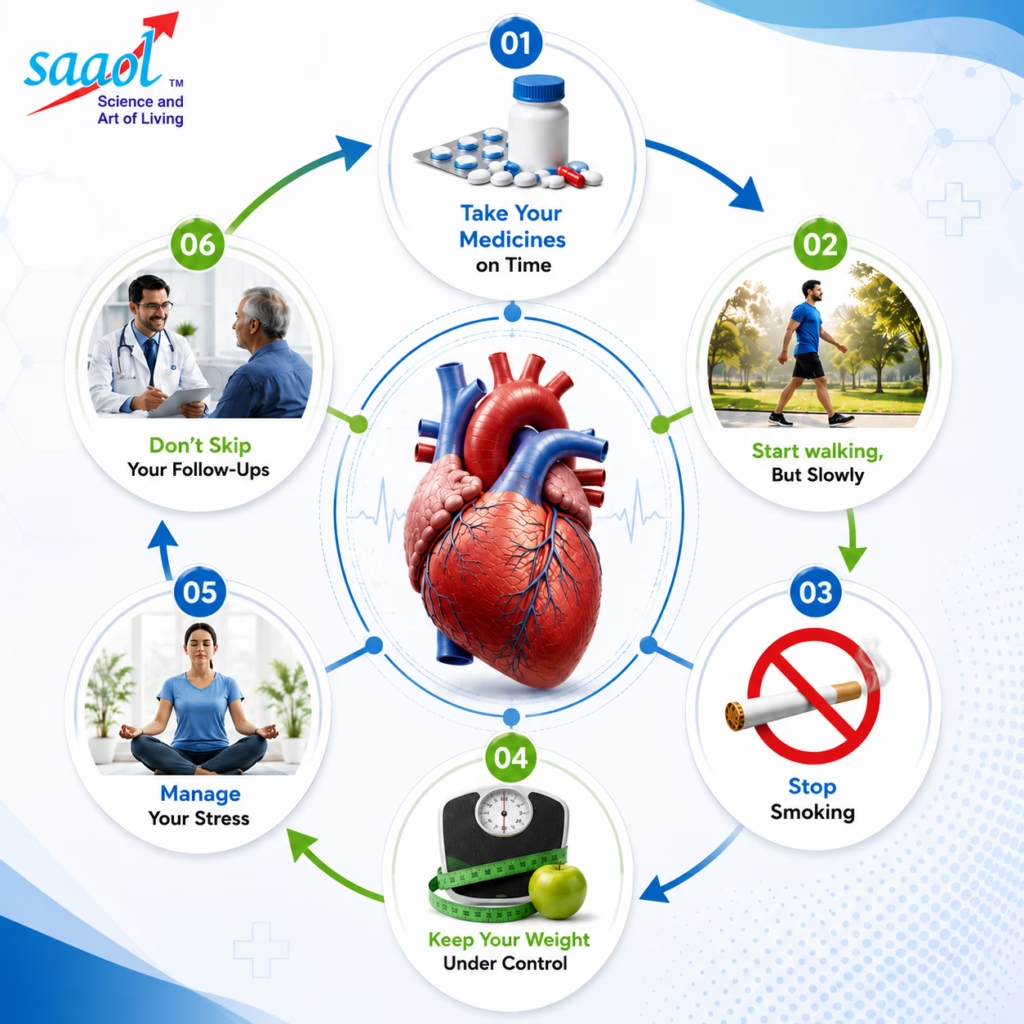
Your heart recovery does not depend on food alone.
Your medicines, physical activity, sleep, stress, and everyday habits all play a role in what happens after angioplasty.
Here are a few things you should not ignore.
1. Take Your Medicines on Time
Stopping medicines without your doctor’s advice can increase the risk of serious complications, including a blood clot in the stent.
So, even if you feel completely fine
Never stop or change your heart medicines on your own.
2. Start Moving, But Slowly
The goal is to become active again, not to push your heart too fast.
So start with what your doctor allows.
Exercise after angioplasty could be::
- Walking
- Light stretching
- Cardiac rehabilitation exercises
Regular movement can improve circulation and help you regain your strength.
3. Stop Smoking
If you smoke, quitting is one of the most important things you can do for your heart.
Smoking damages the inner lining of your blood vessels and increases your risk of future heart problems.
There is no “safe number” of cigarettes for your heart.
The fewer you smoke, the better. Zero is best.
4. Keep Your Weight Under Control
Extra weight can make it harder to manage blood pressure, cholesterol, and blood sugar.
The good news? Even small, steady weight loss can support better heart health.
Focus on healthy eating and regular movement, the results will follow.
5. Manage Your Stress
Stress can affect your sleep, blood pressure, and daily habits.
Try simple stress-management after angioplasty such as:
- Deep breathing
- Meditation
- Yoga
- Spending time outdoors
- Getting enough sleep
You can’t avoid all stress, but you can change how you respond to it.
6. Don’t Skip Your Follow-Ups
Don’t make this mistake.
Regular follow-ups help your healthcare team monitor your cholesterol, blood pressure, blood sugar, medicines, and overall recovery.
Along with regular follow-ups, knowing how to monitor your heart health at home can help you recognize early warning signs between clinic visits.
Remember: It is easier to control a risk factor early than to treat another blockage later.
Recovery Timeline:
Recovery after angioplasty is usually faster than open-heart surgery, but your body still needs time to heal.
Here is a general timeline of what recovery may look like:
| ⏳ Recovery Timeline | 💙 What to Expect |
|---|---|
| First 24 Hours | Mild tiredness, bruising, or tenderness around the wrist or groin is common. Rest well and monitor the area for any bleeding or swelling. |
| First 2–3 Days | Light walking and basic daily activities may be possible. Avoid heavy lifting, bending, or strenuous physical activity. |
| After About One Week | Many patients can gradually return to routine activities or desk-based work after receiving medical approval. |
| Following Weeks | Energy and activity levels continue to improve. Keep taking prescribed medicines, attend follow-up appointments, and maintain a heart-healthy diet and lifestyle. |
Recovery may take longer if angioplasty was performed after a heart attack or if you have diabetes, kidney disease, or other health conditions.
Seek immediate medical help if you experience severe chest pain, breathlessness, uncontrolled bleeding, fainting, or increasing swelling at the catheter site.
Remember: Angioplasty opens the artery. Long-term habits help keep your heart protected.
The Bottom Line: Your Heart Care Isn’t Done
Angioplasty restores blood flow, but protecting your heart is a lifelong journey.
At SAAOL Heartcare Delhi, we focus not just on the blockage, but on the risk factors behind it. Through personalized diet guidance, lifestyle changes, and non-surgical heart care, we help support better long-term heart health.
If you’ve undergone angioplasty and are worried about another blockage, book a consultation with SAAOL Heartcare Delhi. Let us understand your heart risk factors and build a personalized plan to help protect your heart for the long run.
FAQs
Q1. How long should I follow a heart-healthy diet after angioplasty?
A heart-healthy diet should become a lifelong habit rather than a temporary recovery plan. While the artery has been opened with angioplasty, the underlying risk factors for heart disease can remain. Long-term healthy eating helps reduce the risk of future cardiovascular events.
Q2. Can I eat eggs after angioplasty?
Yes, eggs can be included in moderation as part of a balanced diet. Current evidence suggests that most people can eat eggs without significantly increasing heart disease risk. Focus on your overall dietary pattern rather than avoiding one specific food.
Q3. Is coffee safe after angioplasty?
For most people, moderate coffee consumption (about 2–3 cups daily) is generally considered safe after angioplasty. However, avoid excessive caffeine and sugary coffee drinks. If you have uncontrolled blood pressure or heart rhythm problems, ask your doctor for personalized advice.
Q4. Can I eat bananas after angioplasty?
Yes, bananas can be eaten after angioplasty as part of a balanced, heart-healthy diet. They provide fibre and potassium, which supports healthy blood pressure. However, people with kidney disease, diabetes, or medicines that affect potassium should ask their doctor or dietitian about the right portion.
Q5. Can I eat rice after angioplasty?
Yes, rice can be included after angioplasty, but choose brown or other whole-grain rice more often because it contains more fibre than refined white rice. Keep the portion moderate and pair it with vegetables, dal, or beans. People with diabetes should follow personalised carbohydrate and portion guidance.
Q6. How often should cholesterol be checked after angioplasty?
Most patients should have their cholesterol levels checked regularly, especially during the first year after angioplasty and whenever medications are adjusted. Your cardiologist will recommend the appropriate schedule based on your cardiovascular risk and treatment goals.
Book Appointment


In This Article
- What Should Your Diet Look Like After Angioplasty?
- A Simple Guide to Eating After Angioplasty
- Why Your Diet Still Matters After Angioplasty?
- What Not to Eat After Angioplasty?
- 1. Foods High in Saturated Fat
- 2. Fried Foods
- 3. Too Much Salt
- 4. Added Sugar
- Small Changes That Make a Big Difference
- What to Eat in a Day After Angioplasty?
- Healthy Eating Tips After Angioplasty
- What Lifestyle Habits Help You Recover Faster After Angioplasty?
- 1. Take Your Medicines on Time
- 2. Start Moving, But Slowly
- 3. Stop Smoking
- 4. Keep Your Weight Under Control
- 5. Manage Your Stress
- 6. Don’t Skip Your Follow-Ups
- Recovery Timeline:
- The Bottom Line: Your Heart Care Isn’t Done
- FAQs
×
Request for a Call Back
Thank You! We'll get back to you shortly.