

All
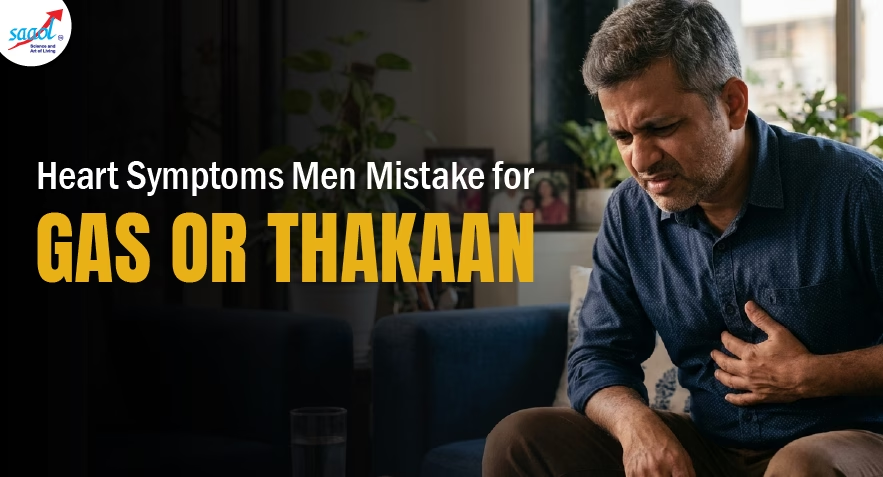
6 Heart Symptoms Indian Men Dismiss as ‘Gas’ or Thakaan
Yes, gas can cause chest pain, but it cannot cause a heart attack. The biggest difference is that gas pain usually improves after burping, movement, or antacids, while heart attack pain often lasts more than 5 minutes and may spread to the arm, jaw, back, or shoulder.
It was 11:30 PM. Rajan Sharma, 48, had just finished dinner and was watching cricket when a tight, squeezing pain started in the centre of his chest.
“Acidity hogi,” he said. He took an antacid and waited.
For the next 40 minutes, he convinced himself it was gas.
At 12:15 AM, his wife insisted on going to the hospital.
The cardiologist later said, “If you had waited another 30 minutes, we would not be having this conversation.”
Rajan had suffered a major heart attack.
This isn’t a rare story. It happens every day across India. Because people mistake heart symptoms for gas, tiredness, stress, or simply getting older.
And the cost of waiting can be life itself.
According to the WHO, cardiovascular diseases account for nearly 27% of all deaths in India, making it the country’s leading cause of death.
So today, let’s talk about the 6 heart symptoms indian men dismiss as gas or thakaan and how to tell the difference between gas pain and a heart attack.
Can Gas Cause Chest Pain?
The honest answer is yes, gas can cause chest pain. Trapped gas in the stomach or colon can push upward, creating pressure that feels very similar to a cardiac event. This is why so many men and even some doctors initially mistake one for the other.
But can gas cause a heart attack? Absolutely not. Gas is uncomfortable, not dangerous. A heart attack is a medical emergency caused by a blocked artery cutting off the blood supply to the heart muscle. The two conditions are completely different but their early sensations can feel surprisingly alike.
The key is knowing the difference between gas pain and a heart attack. We’ll come back to that in detail. First, let’s look at the 6 symptoms men dismiss and shouldn’t.
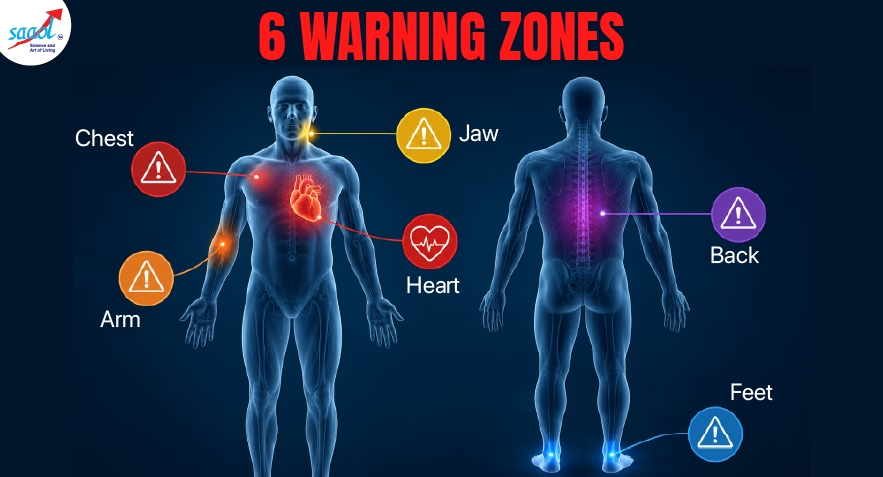
6 Heart Symptoms Indian Men Mistake for Gas, Acidity or Thakaan
1. Chest Tightness or Pressure After a Meal
“I ate more” is the most common explanation Indian men give for post-meal chest discomfort. And sometimes, that’s all it is gas.
But here’s the red flag. if the tightness feels like a heavy weight, squeezing, or a band tightening around your chest, not just bloating, it could be your heart signalling that its arteries are under strain. This is especially true if it happens consistently after physical effort or emotional stress, not just after eating.
Heart-related chest pain typically lasts more than a few minutes, does not go away with a burp, and may radiate to your arm or jaw.
2. Breathlessness Climbing Stairs
Getting winded climbing two flights of stairs and blaming it on being “out of shape” or “busy with work” is one of the most dangerous dismissals Indian men make.
Unexplained breathlessness, especially when it’s getting progressively worse over weeks or months is a classic sign of a heart that is struggling to pump efficiently. When your heart can’t meet the body’s oxygen demand, your lungs compensate. That shortness of breath is your body waving a red flag.
3. Extreme Fatigue
If you’re sleeping 7–8 hours and still feel exhausted, blaming it purely on work stress may be masking something serious. Unusual, persistent fatigue particularly in men over 40, is a recognised early warning sign of heart disease.
When coronary arteries narrow, the heart has to work harder. That extra effort drains your body’s energy even at rest. The thakaan is real but its source may be cardiac, not just lifestyle.
4. Swollen Feet or Ankles
“Bahut der tak khadaa raha.” “Meri umar ho rahi hai.” These are the typical explanations for swollen feet and occasionally they’re correct.
But persistent swelling in the feet and ankles, especially combined with fatigue, is a sign of heart failure. A condition where the heart can’t pump blood efficiently, causing fluid to accumulate in the lower body. Don’t ignore puffiness that doesn’t improve after rest.
5. Irregular Heartbeat or Palpitations
A heart that skips a beat, races without reason, or thumps heavily at rest is trying to tell you something. Many Indian men write this off as “ghabrahat” (anxiety) or too much chai.
While not every palpitation is dangerous, frequent or prolonged episodes especially with dizziness or chest discomfort, can indicate arrhythmia or early coronary artery disease. These require investigation, not dismissal.
6. Nausea, Cold Sweat & Jaw/Arm Pain
This combination is the one that kills. Nausea after a rich meal? “Khana bhaari tha.” Cold sweat at night? “Garmi hai.” Pain in the left arm or jaw? “Maybe I slep incorrect way”
In reality, nausea with cold sweat and radiating pain, especially into the left arm, shoulder, jaw, or upper back, is a textbook heart attack presentation. The vagus nerve connects the heart to the gut, which is why heart attacks can masquerade as digestive distress. This is not gas. This is an emergency.
Difference Between Gas Pain and Heart Attack:
Is It Really Gas or Could It Be Your Heart? Chest tightness, breathlessness, unusual fatigue, or pain spreading to the arm or jaw should never be ignored.
Book Appointment Call NowWhen Should You Seek Emergency Help?
Heart problems can strike suddenly. Know the warning signs and act fast, every minute counts.
Seek Emergency Help Immediately If You Experience:
- Chest Pain or Discomfort – Pressure, tightness, or heaviness in your chest lasting more than a few minutes
- Shortness of Breath – Sudden difficulty breathing or gasping for air
- Pain Radiating to Arms, Neck, or Jaw – Heart pain often spreads beyond your chest
- Cold Sweat, Nausea, or Dizziness – These often accompany chest pain during a heart attack
- Irregular Heartbeat – Racing, skipping, or pounding heart with dizziness
- Extreme Fatigue – Sudden, unexplained weakness or exhaustion
- Fainting – Loss of consciousness is a medical emergency
What to Do:
- Call Emergency Services Immediately — Don’t drive yourself; call 999 or your local emergency number
- Stay Calm — Breathe slowly and sit safely while waiting
- Chew Aspirin — If available and not allergic, chew (don’t swallow) aspirin while waiting
- Alert Your Family — Let someone know what’s happening
- Have Medical History Ready — Keep medications and past conditions accessible for paramedics
The Takeaway
Rajan survived. Not every man does. The difference between gas pain and a heart attack can be measured in minutes, and those minutes determine whether a man will survive or not.
If you’ve been brushing off chest tightness, unexplained fatigue, or breathlessness, your body may be sending you a message worth listening to.
For over 30 years, SAAOL has helped patients across India better understand their heart health and explore personalised, non-surgical cardiac care with guidance from experienced heart specialists.
Your heart may be asking for attention. Listen to it.
The most common heart attack symptoms in men include chest pressure, breathlessness, unusual fatigue, sweating, and pain spreading to the arm or jaw. These symptoms should never be ignored.
Your Family Thinks You'll Be Home Tomorrow. Make Sure You Are. If chest pain, breathlessness, or unexplained fatigue keeps returning, don't guess. Get expert guidance before it's too late.
Book Appointment Call NowFAQs
Q1: Can gas cause chest pain that feels like a heart attack?
Yes. Trapped gas can create pressure in the chest that mimics cardiac pain. However, gas pain typically moves, responds to antacids. If chest pain is persistent (over 5 minutes), spreads to your arm or jaw, and comes with cold sweat or breathlessness, treat it as a heart attack immediately.
Q2: What is the most important difference between gas pain and a heart attack?
Heart attack pain is crushing, doesn’t move, and doesn’t go away with burping or antacids. It often spreads to the left arm, jaw, or back. Gas pain is usually localised, shifting, and relieved by passing gas or belching. Cold sweat and breathlessness almost always indicate a cardiac event, not gas.
Q3: Can gas cause a heart attack?
No. Gas itself cannot cause a heart attack. A heart attack occurs when a coronary artery is blocked, cutting off the blood supply to the heart muscle. However, the confusion is dangerous for men who mistake a real heart attack for gas delay treatment, which dramatically increases the risk of death or permanent heart damage.
Q4: Does EECP Work If You Already Have Heart Disease?
Yes, EECP is highly effective for patients who already have heart disease. It improves blood circulation, reduces symptoms like chest pain and shortness of breath, and enhances heart function. Studies show EECP benefits patients with existing heart conditions, helping them avoid or delay surgery.
Q5: At what age should Indian men start worrying about heart health?
Indians develop heart disease 7–10 years earlier than Western populations. Men should begin cardiac screening from age 30 if they have diabetes, hypertension, a smoking habit, or family history. After 40, annual ECG and lipid profile checks are advisable for every man, regardless of symptoms.
Q6: How Can I Tell If My Chest Pain Is Gas or a Heart Attack?
Apply the 5-minute rule: if chest discomfort lasts more than 5 minutes, does not ease with burping, and is accompanied by cold sweat, nausea, or arm/jaw pain, call emergency services immediately. It is always safer to go to the hospital and be told it was gas, than to stay home and discover it wasn’t.
Medical Disclaimer: This article is for informational purposes only and does not substitute professional medical advice. If you experience chest pain or any cardiac symptoms, seek emergency medical attention immediately.
Book Appointment



In This Article
- Can Gas Cause Chest Pain?
- 6 Heart Symptoms Indian Men Mistake for Gas, Acidity or Thakaan
- 1. Chest Tightness or Pressure After a Meal
- 2. Breathlessness Climbing Stairs
- 3. Extreme Fatigue
- 4. Swollen Feet or Ankles
- 5. Irregular Heartbeat or Palpitations
- 6. Nausea, Cold Sweat & Jaw/Arm Pain
- Difference Between Gas Pain and Heart Attack:
- When Should You Seek Emergency Help?
- The Takeaway
- FAQs
×
Request for a Call Back
Thank You! We'll get back to you shortly.