

Heart health
Heart Palpitations: Causes, Natural Remedies and When to Seek Help
The right heart palpitations remedy depends on what is causing the sensation. Reducing triggers, correcting dehydration and managing stress may help, but recurring episodes need assessment. Palpitations with chest pain, breathlessness or fainting require emergency care.
You are sitting at your desk when your heart suddenly gives a strong thump. Another day, it races before an important meeting. At bedtime, you notice a flutter that was not there, or perhaps went unnoticed, during the day.
These experiences can feel similar, yet have different explanations. Before looking for a remedy, it helps to understand what palpitations are, what can cause them and which changes may actually help.
This blog explains heart palpitations, possible causes and remedies that may help, how to respond during an episode and when home care is no longer enough.
What Are Heart Palpitations?
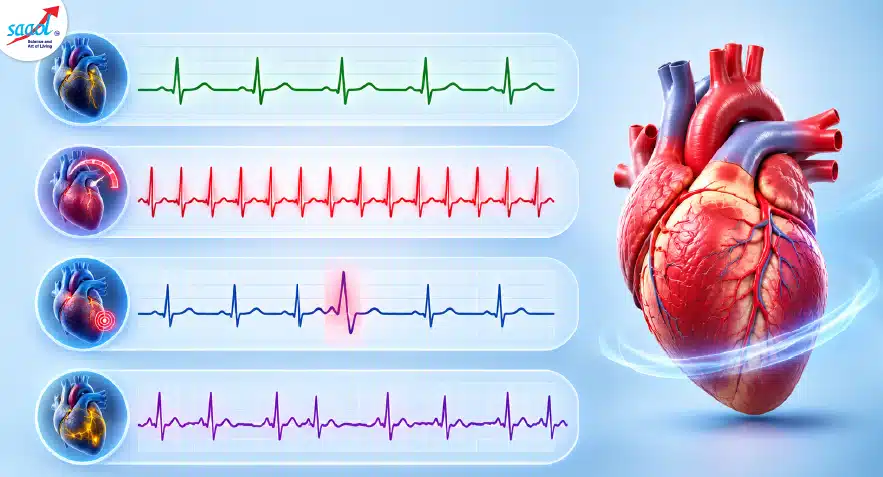
Heart palpitations are the sensation of an unusually noticeable heartbeat . It may feel fast, pounding, fluttery or as though it has missed a beat. You might notice the sensation in your chest, neck or throat for seconds, minutes or longer.
Many episodes are harmless and associated with stress, caffeine or poor sleep. Others may be linked to anaemia, an overactive thyroid or an arrhythmia, a problem with the heart’s rhythm.
Pay attention to the pattern:
- Brief, occasional episodes may follow everyday triggers, but the sensation alone cannot confirm the cause.
- Recurring, prolonged or irregular episodes need medical assessment, particularly if they are new or becoming more frequent.
Seek emergency care if palpitations occur with chest pain, breathlessness, fainting or severe dizziness.
People describe several patterns of palpitations. They are as follows:
| Pattern | What you might notice | A possible explanation |
| Racing | A suddenly faster heartbeat | A faster heartbeat from stress, illness or a rhythm problem |
| Pounding | Each beat feels unusually strong | More forceful beats, sometimes during stress or exertion |
| Skipped or extra beats | There was a pause, then a hard thump | An early beat followed by a brief pause |
| Fluttering or irregular beats | My heartbeat feels uneven | Extra beats or an abnormal rhythm that needs identification |
The sensation of your heart skipping a beat does not necessarily mean it stopped.
Doctors distinguish these sensations from conditions such as:
- Sinus tachycardia: the heart’s natural pacemaker speeds up, for example during fever or stress.
- Supraventricular tachycardia, or SVT: an abnormally fast rhythm starting above the lower heart chambers.
- Atrial fibrillation: a rhythm disorder that often produces an irregular pulse.
You cannot reliably identify these by how your heartbeat feels. The American Heart Association defines adult resting tachycardia as a heart rate above 100 beats per minute, but the cause matters more than the label alone.
What Causes Heart Palpitations?
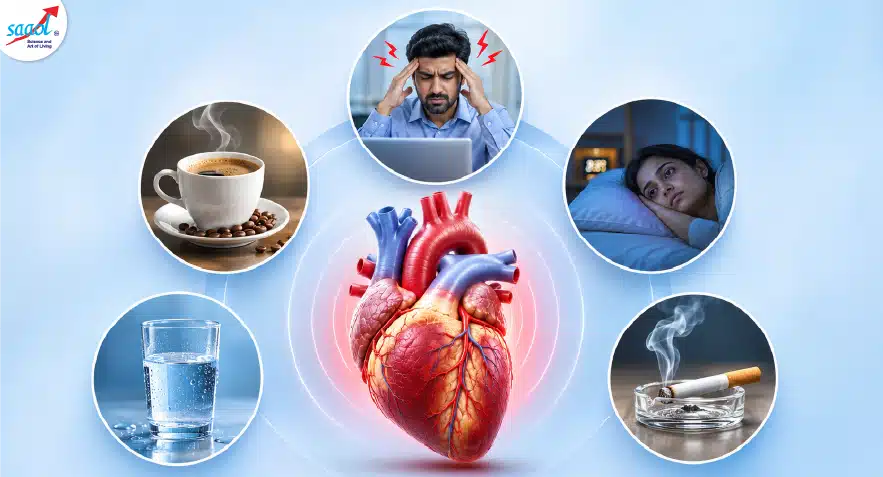
Sometimes the explanation sits within an ordinary day. Other times, an underlying condition needs attention.
Everyday triggers
- Stress and anxiety: adrenaline prepares your body for action, making your heartbeat faster or more noticeable.
- Caffeine, nicotine and alcohol: these can trigger symptoms in susceptible people.
- Poor sleep: tiredness can make episodes more likely or noticeable.
- Dehydration: fluid loss can make the heart beat faster to maintain circulation.
- Strenuous exercise: your pulse normally rises, although unusual symptoms during activity deserve assessment.
- Medicines: some decongestants, inhalers and other medicines can contribute.
Medical causes
- Iron-deficiency anaemia: reduced oxygen-carrying capacity can make the heart work harder.
- An overactive thyroid: excess thyroid hormone can speed up the heartbeat.
- Electrolyte disturbances: abnormal levels of minerals such as potassium can affect electrical signalling.
- Arrhythmias: problems with the heart’s electrical rhythm.
- Heart valve or other heart conditions.
Pregnancy and menopause can also be associated with palpitations. A familiar trigger does not automatically rule out another cause.
How Can You Respond When Palpitations Start?

If you are searching for how to stop heart palpitations immediately, start by checking how you feel rather than trying an internet trick.
For a brief episode without warning symptoms:
- Stop strenuous activity and sit comfortably.
- Relax your shoulders and breathe gently, without forcing deep breaths.
- Sip water if you may be dehydrated and have no prescribed fluid restriction.
- Avoid more caffeine, nicotine or energy drinks.
- Note when the episode began and any other symptoms.
These steps may help with certain triggers. They cannot diagnose the rhythm or guarantee immediate relief.
Which Natural Remedies for Heart Palpitations May Help?
Rehydrate if you have lost fluid
Picture a hot commute, several hours outdoors and a water bottle that remains almost full. If you have lost more fluid than you replaced, your heart may beat faster to maintain circulation.
Drink regularly through the day, particularly in hot weather. The connection between dehydration and changes in blood pressure also explains why you might feel weak or light-headed.
However, water is not a treatment for every racing heartbeat. Follow individual fluid advice if you have heart failure or kidney disease.
Eat for adequate nutrition, not an instant cure
Include varied foods such as vegetables, pulses, whole grains, nuts and seeds. They provide minerals involved in normal heart function.
Look for your own caffeine pattern
You do not need to blame every cup of tea. Instead, notice whether episodes repeatedly follow strong coffee, energy drinks or pre-workout products.
If a pattern appears, reduce the suspected trigger and record what changes. Check portions too: a large café coffee may contain considerably more caffeine than your usual home preparation.
Alcohol and nicotine can also trigger symptoms in some people.
Let your breathing settle
Before a difficult conversation, your heart may pound while your breathing becomes faster. Sit somewhere comfortable and allow each breath to become slower and easier. Avoid repeated, forceful inhalations that leave you light-headed.
Relaxation may help when stress contributes. It does not prove that recurring palpitations are “just anxiety.”
Give sleep a place in the plan
After several short nights, another coffee can feel like the only way through the day. This can make it harder to identify whether tiredness, stress or caffeine is contributing.
Try a consistent bedtime, reduce late caffeine and leave time to wind down. Mayo Clinic supports stress reduction and avoiding symptom-provoking stimulants.
Keep a short symptom diary
Write down the time, duration, activity, recent drinks and any symptoms. If convenient, record your pulse once.
Comparing it with the normal resting pulse range can provide context. Repeatedly checking every few seconds is less useful than recording a clear account of the episode.
These measures may help when dehydration, poor sleep, stimulants or stress contribute to palpitations. They are not universal treatments and do not correct every abnormal heart rhythm or underlying condition.
If episodes persist, recur or worsen, seek medical assessment rather than relying on home remedies alone.
Could a Natural Remedy Make Things Worse?
A recommendation online may sound reassuring: take magnesium, eat more potassium or try a herbal heart tonic. But palpitations do not automatically mean you lack a nutrient.
Electrolytes are minerals that help carry electrical signals, including those controlling your heartbeat. A deficiency may need treatment, but supplements should follow appropriate assessment.
University of Iowa Health Care notes that no herbal remedy is specifically established as effective for palpitations.
Avoid neck massage, pressing your eyes or attempting forceful breath-holding techniques for an unexplained episode. If you have a diagnosed rhythm disorder, follow the plan your clinician has taught you.
Similarly, tachycardia treatment at home requires an established diagnosis. Do not borrow heart medicines, take extra doses or stop prescribed treatment yourself.
When Are Home Remedies No Longer Enough?

Perhaps you have reduced coffee and improved your sleep, yet the episodes continue. That is a reason to investigate rather than keep adding remedies.
Your doctor may recommend:
- ECG: records the heart’s electrical activity.
- Holter or event monitoring: records rhythm over longer periods.
- Blood tests: check possible contributors such as thyroid hormone and electrolyte abnormalities.
- Echocardiogram: assesses heart structure and pumping function when indicated.
The National Heart, Lung, and Blood Institute explains that longer recordings can help identify intermittent problems missed during a brief clinic visit.
Heart palpitations treatment depends on the findings. It may involve treating anaemia or thyroid disease, adjusting a medicine, or managing a rhythm disorder.
Understand Your Pattern Before Choosing a Remedy
Knowing how to control palpitations starts with understanding your episodes. Record when they happen, how long they last and what you feel.
Your normal resting pulse range provides context, but a number alone cannot explain the cause.
The most useful heart palpitations remedy is one that addresses your cause. If symptoms keep returning, book a consultation with SAAOL Heartcare Delhi.
FAQs
Q1. Why do I notice palpitations more at night?
You may notice your heartbeat more when lying quietly because there are fewer distractions. This does not reveal whether the rhythm is normal. Record recurring episodes, especially if they wake you or happen with other symptoms.
Q2. Can I have palpitations with a normal heart rate?
Yes. Palpitations can involve forceful or extra beats without a continuously fast pulse. A normal pulse reading between episodes cannot explain what happened earlier. Your symptoms and, when needed, a rhythm recording help clarify the cause.
Q3. Can pregnancy or menopause cause palpitations?
Yes, palpitations can occur during pregnancy and around menopause. However, do not assume hormonal changes explain every episode. New, frequent or persistent symptoms deserve assessment, particularly when accompanied by dizziness, breathlessness or chest discomfort.
Q4. Can a normal ECG miss an intermittent problem?
Yes. An ECG records a short period, so an occasional rhythm disturbance may not happen during the test. Your doctor may recommend longer monitoring based on how often symptoms occur and whether other concerning features are present.
Q5. Can my smartwatch tell me what caused an episode?
No. A smartwatch may record heart rate or certain rhythms, but it cannot identify every cause. Save useful recordings for your doctor. Knowing what a smartwatch can and cannot detect helps prevent false reassurance.
Q6. Can cold and allergy medicines trigger palpitations?
Yes. Some products contain decongestants, such as pseudoephedrine, that can provoke palpitations. Check ingredients and tell your doctor about non-prescription products. A pharmacist can help review alternatives without you having to guess which product is suitable.
Q7. Do palpitations always need lifelong medicine?
No. Treatment depends on the cause and the rhythm identified. Trigger-related symptoms may improve with appropriate changes, while some rhythm disorders need medicines or procedures. The sensation alone cannot determine which treatment, if any, you need.
Disclaimer: This article provides general information and does not replace individual medical assessment, diagnosis or treatment. Seek emergency care for persistent palpitations or palpitations with chest pain, breathlessness or fainting.
Book Appointment

In This Article
- What Are Heart Palpitations?
- What Causes Heart Palpitations?
- Everyday triggers
- Medical causes
- How Can You Respond When Palpitations Start?
- Which Natural Remedies for Heart Palpitations May Help?
- Rehydrate if you have lost fluid
- Eat for adequate nutrition, not an instant cure
- Look for your own caffeine pattern
- Let your breathing settle
- Give sleep a place in the plan
- Keep a short symptom diary
- Could a Natural Remedy Make Things Worse?
- When Are Home Remedies No Longer Enough?
- Understand Your Pattern Before Choosing a Remedy
- FAQs
- Q1. Why do I notice palpitations more at night?
- Q2. Can I have palpitations with a normal heart rate?
- Q3. Can pregnancy or menopause cause palpitations?
- Q4. Can a normal ECG miss an intermittent problem?
- Q5. Can my smartwatch tell me what caused an episode?
- Q6. Can cold and allergy medicines trigger palpitations?
- Q7. Do palpitations always need lifelong medicine?
×
Request for a Call Back
Thank You! We'll get back to you shortly.