

Heart health
Heart Beat While Sleeping: Why You Wake Up with a Racing Heart
An unusually noticeable heart beat while sleeping can follow stress, stimulants or disrupted sleep, but recurring episodes may signal sleep apnoea or an abnormal heart rhythm. A pounding sensation alone cannot identify the cause.
You wake suddenly. Your heart is thumping, and sleep feels far away. Is it anxiety, yesterday’s coffee, or something that needs checking?
This blog explains why you may notice your heart beating faster or more forcefully while sleeping, what can cause night time palpitations and which symptoms need medical attention.
Is a Pounding Heart Always Beating Too Fast?
No. Palpitations describe what you feel, such as pounding, fluttering or skipped beats. Tachycardia describes a measured fast heart rate. You can experience one without the other.
The American Heart Association defines adult resting tachycardia as more than 100 beats per minute. However, one reading after waking suddenly does not establish a diagnosis.
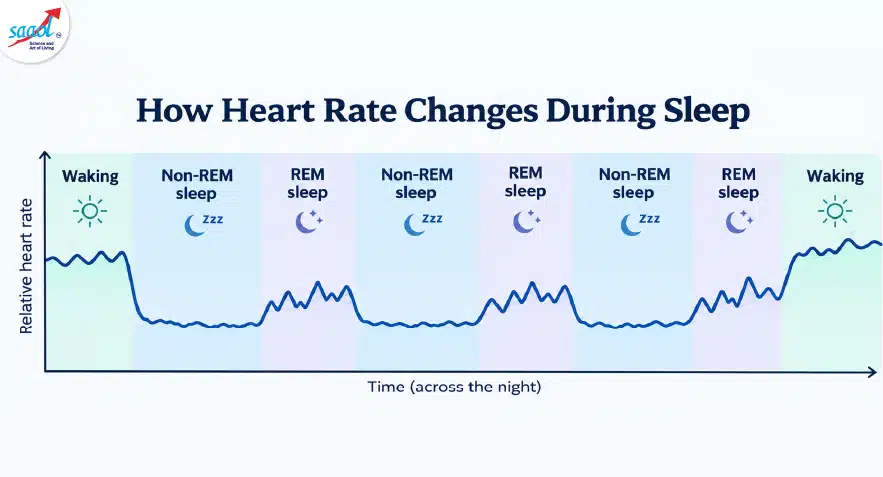
According to the National Heart, Lung, and Blood Institute, heart rate falls during non-REM sleep and rises during REM sleep and awakening. REM is the sleep phase associated with dreaming.
These changes are part of normal sleep physiology, but a sudden, sustained or repeatedly racing heartbeat should not automatically be attributed to REM sleep.
Your sleeping pulse therefore changes through the night. An awake normal resting pulse range provides useful context, rather than a fixed overnight target.
Rapid Eye Movement (REM) sleep is a stage when your brain is active, your eyes move quickly behind closed eyelids, and most muscles briefly stop moving. This is when most vivid dreams happen
What Can Cause Your Heart Beat Fast While Sleeping?
Several fast heart rates cause overlap. The timing and accompanying symptoms help doctors decide what to investigate.
Everyday Triggers and Medicines
Late coffee, energy drinks, alcohol, nicotine, poor sleep and stress can trigger palpitations. Fever and dehydration can also increase heart rate.
Some cold remedies and asthma medicines can contribute. Bring your prescription, supplement and over-the-counter medicine list to your appointment. Do not stop prescribed treatment yourself.
Anaemia and an Overactive Thyroid
Anaemia reduces the blood’s oxygen-carrying capacity, so the heart may compensate by beating faster. An overactive thyroid speeds up body processes.
Either condition can be a reason for high pulse rate during the day as well as at night.
Low Blood Sugar
Low blood glucose is another possibility, particularly in people taking insulin or certain diabetes medicines.
The National Institute of Diabetes and Digestive and Kidney Diseases lists shakiness, hunger and a fast or irregular heartbeat among its symptoms
If you have diabetes and suspect low blood sugar, follow your prescribed hypoglycaemia treatment plan. Severe confusion, seizures or unconsciousness require emergency assistance; do not give food or drink to someone who is unconscious.
Sleep Apnoea
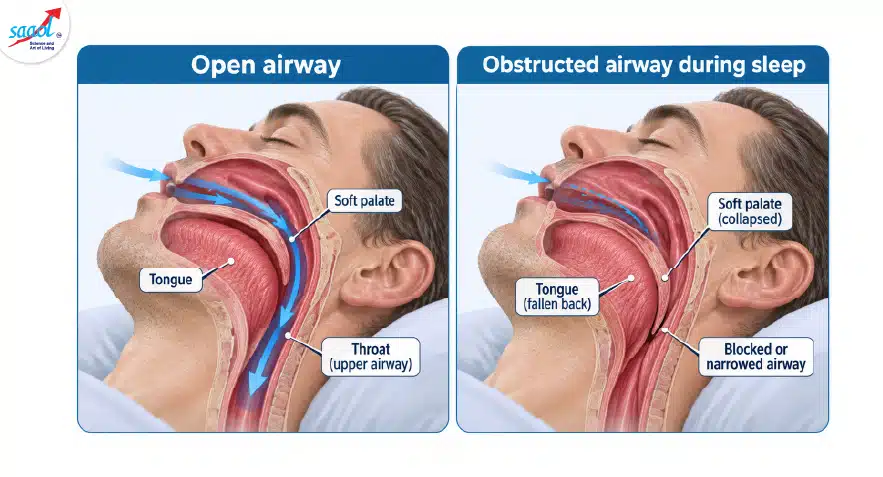
Sleep apnoea repeatedly interrupts breathing during sleep. Oxygen levels may fall, and repeated awakenings can strain the cardiovascular system.
Sleep apnoea can be associated with abnormal heart rhythms, including atrial fibrillation. However, not everyone who experiences nighttime palpitations has sleep apnoea.
The NHLBI highlights loud snoring, gasping and daytime sleepiness as reasons to seek assessment. Mention witnessed breathing pauses even if you do not remember waking.
Heart Rhythm Problems
Supraventricular tachycardia (SVT) is a rapid rhythm arising above the heart’s lower chambers. Atrial fibrillation (AF) causes an irregular rhythm that may also be fast.
These electrical rhythm problems can occur at rest. How your heartbeat feels cannot reliably distinguish them from other causes.
Does Waking Up with a Pounding Heart and Anxiety Mean a Panic Attack?
It can be a panic attack, but anxiety is not the only possible cause.
A night time panic attack can wake you with a racing heart, sweating, trembling and intense fear, even without a nightmare. However, a heart rhythm problem can also make your heart race and leave you frightened.
Cleveland Clinic explains that doctors may check for heart and thyroid conditions before diagnosing a night time panic attack.
If episodes keep happening, seek medical assessment. Feeling anxious does not necessarily mean anxiety causes your pounding heart.
What Should You Do When You Wake with Your Heart Racing?
Seek emergency medical care if palpitations occur with chest pain, breathlessness, fainting or severe dizziness. If an episode is prolonged, does not settle or is repeatedly recurring, seek prompt medical assessment even if these warning symptoms are absent.
The NHS advises urgent medical assessment even if these warning symptoms have passed.
If you feel otherwise well:
- Sit safely and breathe slowly.
- Note when it started and whether the beats feel regular.
- Count your wrist pulse for one full minute.
- Save any smartwatch recording to show your doctor.
- See a doctor if episodes return, worsen or last more than a few minutes.
A smartwatch cannot rule out a heart attack. Do not delay medical help because its reading looks normal.
Which Tests Can Find the Reason for a Fast Heartbeat?
Doctors begin with your symptoms, medical history, examination and medicines. Explain whether episodes start suddenly, follow alcohol or illness, or occur with snoring.
The NHLBI describes several useful investigations:
- ECG: Records the heart’s electrical activity.
- Holter or longer rhythm monitoring: Records episodes outside the clinic.
- Blood tests: Check possible contributors, including thyroid hormone and electrolytes, the minerals involved in electrical signalling.
A blood count may help identify anaemia. A sleep study may be appropriate when breathing disturbances are suspected.
A normal clinic ECG does not exclude an intermittent rhythm problem. Recording your heart rhythm during symptoms can help identify what is happening.
How Are Night time Heart Palpitations Treated?
Treatment follows the cause.
Occasional trigger-related symptoms may improve with consistent sleep, reducing personal stimulant triggers, avoiding nicotine and maintaining appropriate hydration. Follow any prescribed fluid restriction.
Sustainable lifestyle changes can support these habits, alongside appropriate investigation of recurring symptoms.
Other causes require specific care:
- Anaemia or thyroid disease: Treatment of the underlying condition.
- Medication effects: A clinician-led review of medicines and doses.
- Sleep apnoea: Treatment may include continuous positive airway pressure (CPAP), which keeps the airway open.
- Panic-related episodes: Cognitive behavioural therapy can help change unhelpful thought and response patterns.
For diagnosed arrhythmias, the NHLBI describes medicines and procedures chosen according to the rhythm.
Some people with diagnosed arrhythmias may benefit from catheter ablation. During this procedure, a specialist uses a catheter to identify and treat the small area of heart tissue responsible for the abnormal electrical signals. Whether it is appropriate depends on the specific rhythm disorder.
Do not take someone else’s beta blocker or self-prescribe heart medicines.
Recurring heart palpitations during sleep deserve an explanation. Keep a symptom record and book a consultation with SAAOL Heartcare Delhi to discuss appropriate evaluation.
FAQs
Q1. Why Do I Notice My Heartbeat More When Lying on My Left Side?
Lying on your left side can make your heartbeat easier to feel because the heart lies closer to the chest wall. Greater awareness does not necessarily mean a faster rate. New or persistent symptoms still warrant assessment.
Q2. Can Menopause Cause Night time Palpitations?
Yes. Hormonal changes around menopause can contribute to palpitations, sometimes alongside hot flushes and disturbed sleep. However, a new pounding heartbeat should not automatically be attributed to menopause. Thyroid disease, anaemia and rhythm problems may need consideration.
Q3. Can Pregnancy Make My Heart Race at Night?
Pregnancy can increase heart rate as circulation adapts to support the developing baby. However, persistent racing at rest deserves maternity assessment, particularly with breathlessness, chest discomfort or dizziness. Pregnancy does not explain every new heart symptom.
Q4. Does a Racing Heart Mean My Arteries Are Blocked?
No. Heart rate alone cannot show whether coronary arteries are narrowed. Palpitations concern heartbeat awareness or rhythm, while coronary disease affects blood supply. Doctors assess symptoms, risk factors and appropriate tests rather than diagnosing blockage from a pulse reading.
Q5. Can Heart Palpitations Happen with a Normal Pulse?
Yes. A forceful beat or occasional extra beat may feel uncomfortable even when the average rate remains within the usual range. Pulse rate measures speed, not every aspect of rhythm. Recurring symptoms may still justify an ECG or monitoring.
Q6. Should I Take Magnesium for Night time Palpitations?
Only take it when clinically appropriate. Low magnesium can contribute to rhythm disturbances, but palpitations do not establish a deficiency. Supplements may cause side effects and require particular caution with kidney disease. Ask whether testing or supplementation is warranted.
Q7. Can These Episodes Occur in Younger, Physically Fit Adults?
Yes. Fitness does not exclude palpitations or inherited rhythm disorders. Tell your doctor about unexplained fainting or a family history of sudden death, particularly at a young age. Those details can change which investigations are appropriate.
Q8. Will I Need Heart Medication for Life?
Not necessarily. Symptoms caused by a temporary trigger or treatable condition may resolve when that cause is addressed. Some diagnosed arrhythmias need ongoing treatment or follow-up. Your clinician should base the plan on the recorded rhythm and individual risk.
Disclaimer: This article provides general information and does not replace professional diagnosis or treatment. Seek emergency care for serious or persistent symptoms.
Book Appointment


In This Article
- Is a Pounding Heart Always Beating Too Fast?
- What Can Cause Your Heart Beat Fast While Sleeping?
- Everyday Triggers and Medicines
- Anaemia and an Overactive Thyroid
- Low Blood Sugar
- Sleep Apnoea
- Heart Rhythm Problems
- Does Waking Up with a Pounding Heart and Anxiety Mean a Panic Attack?
- What Should You Do When You Wake with Your Heart Racing?
- Which Tests Can Find the Reason for a Fast Heartbeat?
- How Are Night time Heart Palpitations Treated?
- FAQs
- Q1. Why Do I Notice My Heartbeat More When Lying on My Left Side?
- Q2. Can Menopause Cause Night time Palpitations?
- Q3. Can Pregnancy Make My Heart Race at Night?
- Q4. Does a Racing Heart Mean My Arteries Are Blocked?
- Q5. Can Heart Palpitations Happen with a Normal Pulse?
- Q6. Should I Take Magnesium for Night time Palpitations?
- Q7. Can These Episodes Occur in Younger, Physically Fit Adults?
- Q8. Will I Need Heart Medication for Life?
×
Request for a Call Back
Thank You! We'll get back to you shortly.