
All
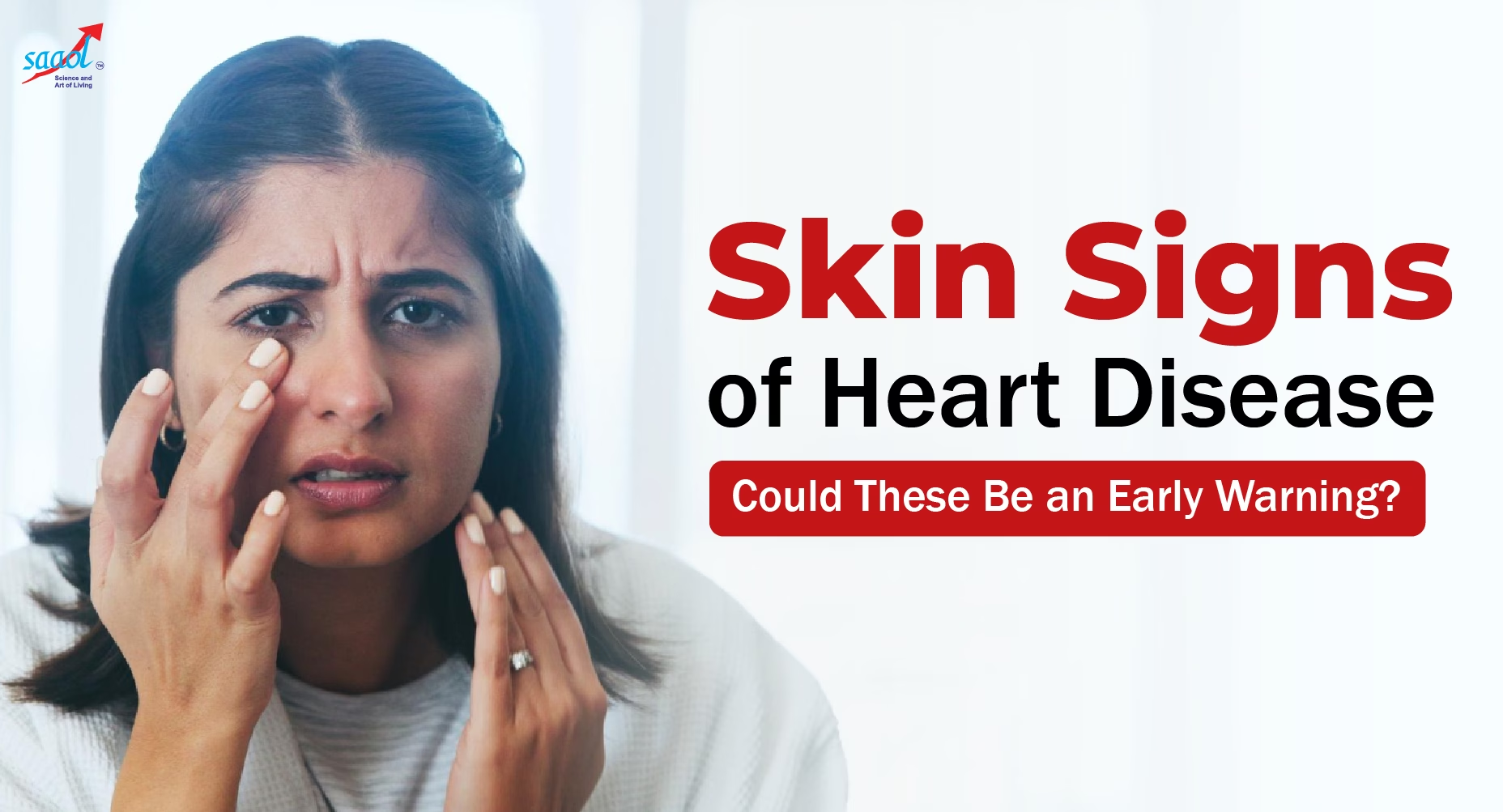
Skin Signs of Heart Disease: Could These Be an Early Warning?
Yes. Certain skin changes, such as swollen legs, blue lips, yellow cholesterol deposits around the eyes, clubbed nails and non-healing foot ulcers, may sometimes be associated with heart disease or poor circulation. However, these signs alone cannot diagnose a heart condition and should always be medically evaluated.
Most rashes and skin changes are not related to the heart. Still, knowing which signs deserve attention can help you seek medical advice without panicking, or waiting too long. This blog explains 12 skin signs of heart disease, what they may mean and when you should consult a doctor.
Can heart disease really cause changes in your skin?
Yes, certain heart and blood-vessel conditions can affect the skin.
Your blood carries oxygen and nutrients to every part of your body. If the heart cannot pump effectively, an artery becomes narrowed, blood oxygen falls or fatty deposits accumulate, changes may become visible in your skin, feet, fingers or nails.
However, appearance alone cannot tell you the cause. Similar changes can result from an injury, skin condition, anaemia, kidney disease, thyroid disorder, diabetes, lung disease or medication.
That is why these signs should be treated as clues, not a home diagnosis.
The World Health Organization estimates that cardiovascular diseases caused 19.8 million deaths worldwide in 2022. Recognising possible symptoms matters, but checking blood pressure, blood sugar and cholesterol remains far more reliable than examining the skin alone.
Possible Heart or Circulatory Condition
| Skin or Nail Sign | Possible Heart or Circulatory Link |
| Swollen feet, ankles or legs | The heart may not be pumping efficiently |
| Blue or grey lips and nails | The body may not be getting enough oxygen |
| Yellow patches near the eyes | Cholesterol deposits under the skin |
| Yellow-orange bumps on the body | Very high cholesterol levels |
| Sudden small, waxy bumps | Possible inherited high cholesterol |
| White-grey ring around the eye | Certain congenital heart conditions or infective endocarditis |
| Foot or toe sores that heal slowly | Reduced blood flow, sometimes with diabetes |
| Painful fingertip bumps or painless palm spots | A possible infection of the heart’s inner lining |
| Shiny, cool or hairless leg skin | Poor circulation in the legs |
| Pale or slow-growing toenails | Reduced blood flow to the feet |
12 Skin Signs That May Indicate Heart Disease
1. Swelling in the feet, ankles or lower legs
Do your shoes feel tighter by evening? Are your socks leaving deeper marks than usual?
This swelling is called oedema, which means fluid has collected in the tissues. It can develop when the heart is not pumping efficiently and blood backs up in the veins. The American Heart Association lists increasing swelling in the feet, ankles and legs among the warning signs of heart failure.
Swelling can also result from prolonged standing, varicose veins, kidney or liver disease, certain medicines and thyroid problems. New, persistent or worsening swelling needs medical evaluation, especially when accompanied by breathlessness or rapid weight gain.
2. Blue or grey lips, tongue, skin or nails
A bluish or grey colour is known as cyanosis. It can occur when the blood is not carrying enough oxygen.
On brown or darker skin, cyanosis may be easier to notice on the lips, gums, tongue, inside the eyelids, palms, soles and nail beds. MedlinePlus notes that cyanosis can develop with heart or lung problems.
Suddenly blue lips or a blue tongue, particularly with breathlessness, confusion, chest discomfort or fainting, is an emergency.
3. Yellow patches around the eyelids
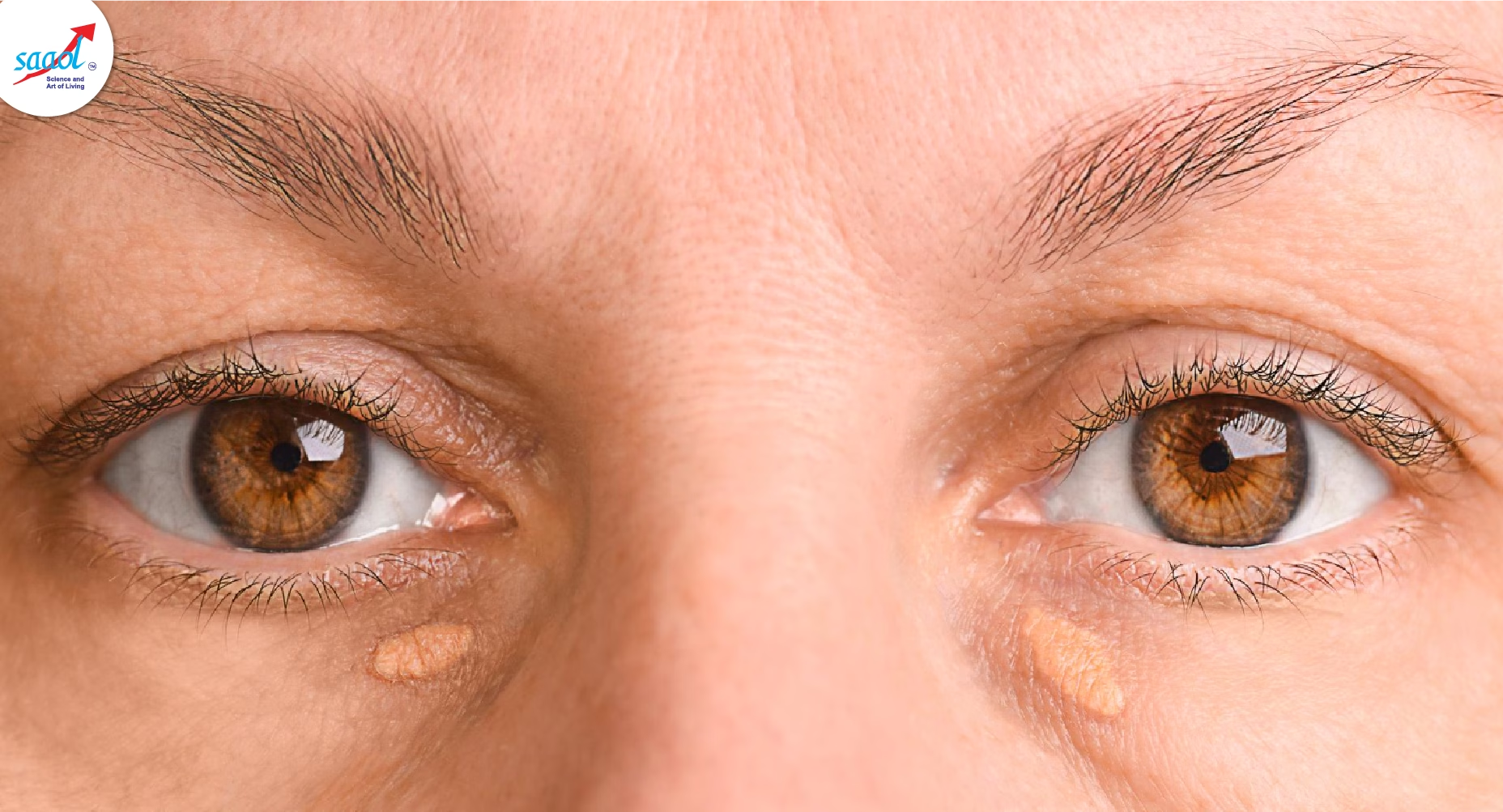
Soft, flat or slightly raised yellow patches near the inner corners of the eyes are called xanthelasma. They are deposits of cholesterol beneath the skin.
These patches are among the best-known signs of high cholesterol on the face, but they do not prove that your blood cholesterol is high. Some people with xanthelasma have a normal lipid profile.
A lipid profile and assessment of other cardiovascular risk factors can provide a clearer answer. You can also understand the numbers through this guide to the role of cholesterol in heart health.
4. Yellow or orange bumps elsewhere on the body
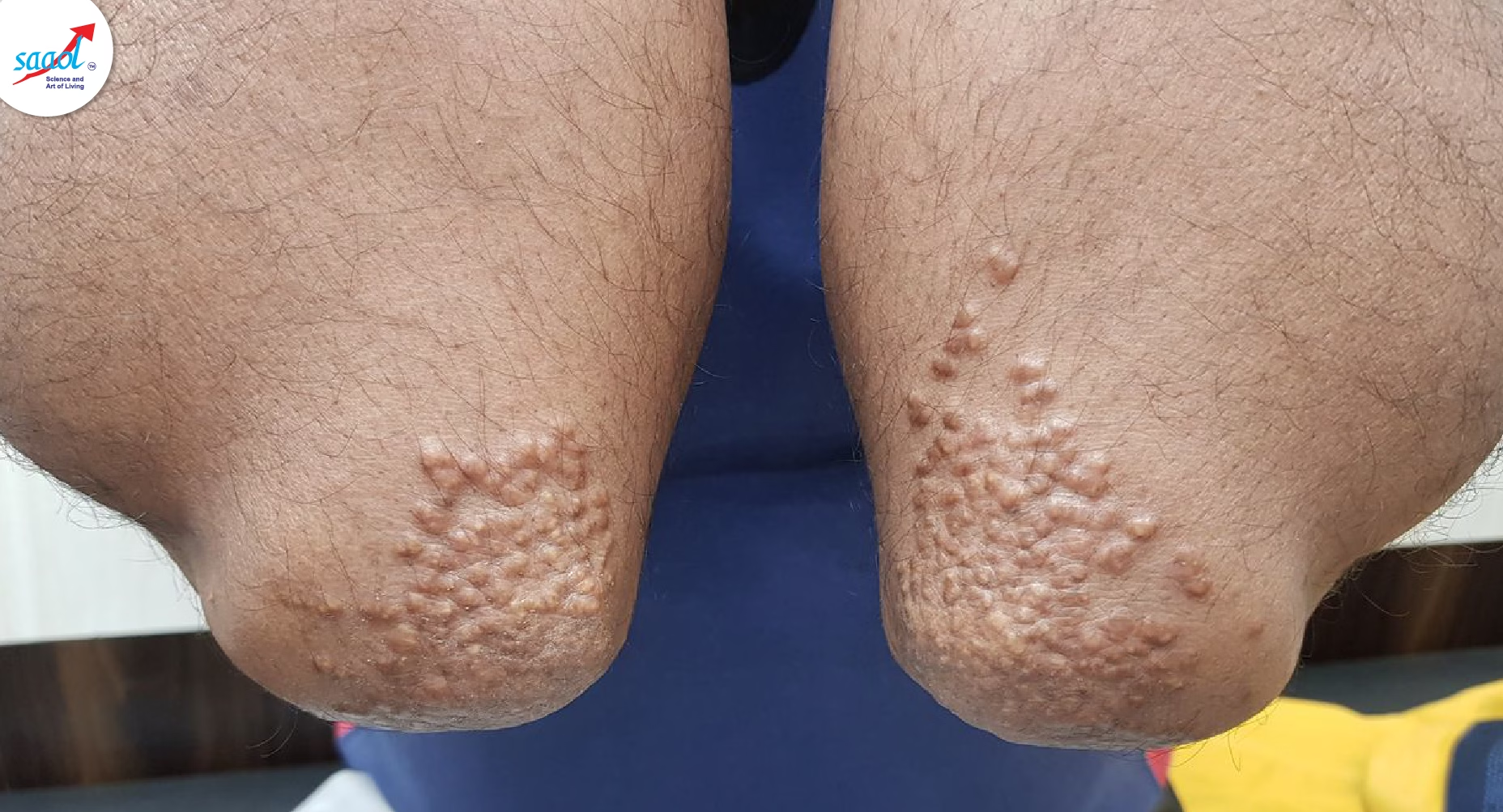
Cholesterol deposits called xanthomas can form as bumps or nodules over the knuckles, knees, elbows, heels, tendons or creases of the palms.
These growths may indicate a severe lipid disorder, including familial hypercholesterolaemia, an inherited condition that causes high LDL cholesterol from an early age. According to the NHS Genomics Education Programme, familial hypercholesterolaemia affects an estimated one in 270 people in its heterozygous form.
Xanthomas should prompt a lipid test and a review of personal and family history.
5. Sudden clusters of small, waxy bumps
Small yellow, red or skin-coloured bumps that appear suddenly, often over the buttocks, thighs, elbows or knees, may be eruptive xanthomas.
They can resemble pimples or a rash but may develop when triglyceride levels are extremely high. Very high triglycerides can also increase the risk of acute pancreatitis, so sudden widespread bumps require prompt medical assessment.
6. A white or grey ring around the coloured part of the eye
This ring is called corneal arcus. It becomes more common with age and is often harmless in older adults.
When it appears in someone younger than about 45, however, it can be associated with familial hypercholesterolaemia. It does not affect vision, but an early corneal arcus is a reasonable reason to discuss cholesterol testing with your doctor.
For a broader assessment, learn what a lipid profile measures and why it matters.
Which nail changes may be signs of heart disease?
7. Clubbed fingers and downward-curving nails
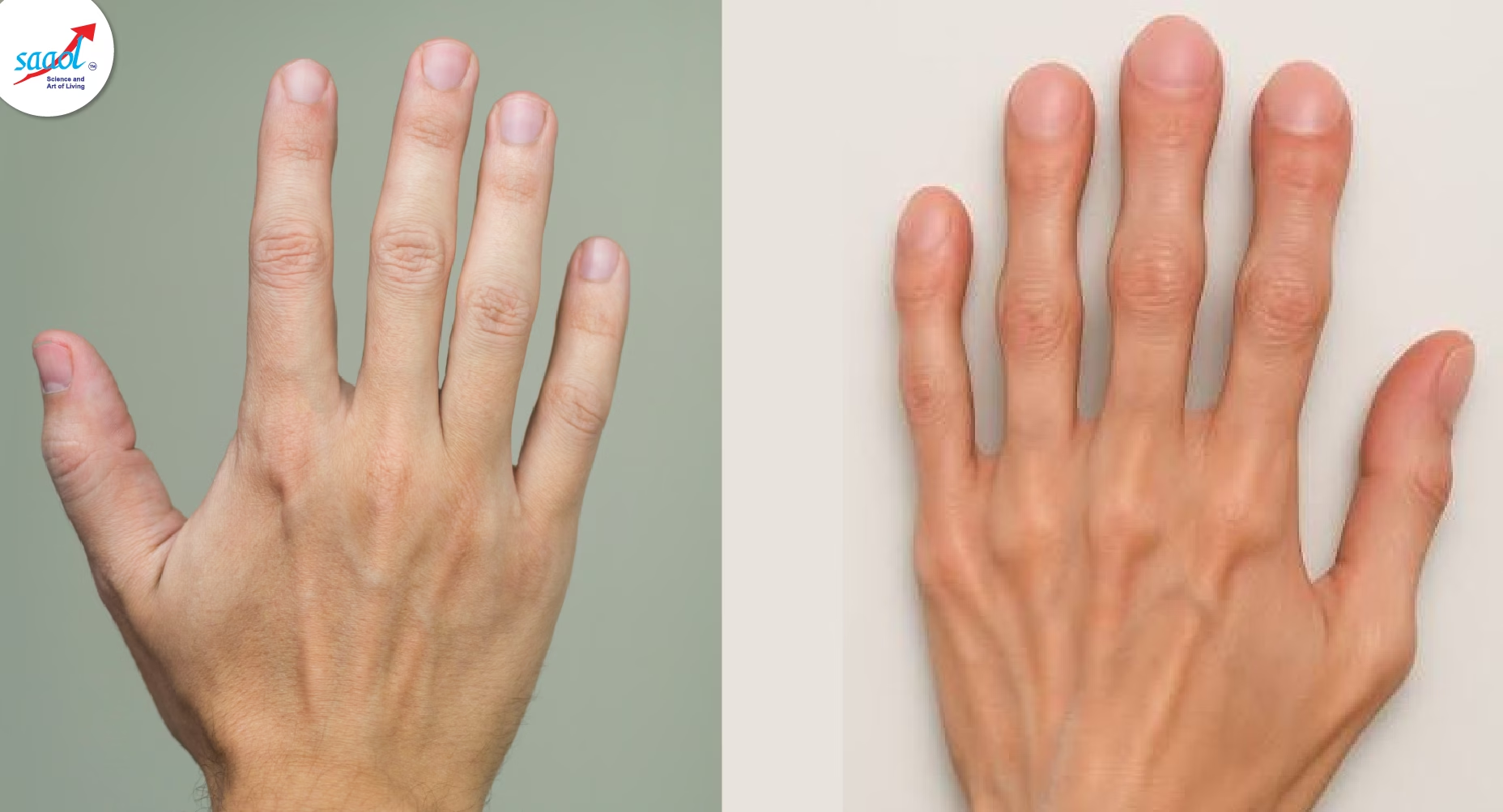
With clubbing, the fingertips become wider or bulb-shaped and the nails curve downwards. The change usually develops gradually.
Clubbing is not a typical sign of blocked coronary arteries. It may occur with certain congenital heart conditions, infective endocarditis and several lung or digestive diseases. Some people also inherit naturally clubbed-looking fingers.
New or progressive clubbing should be examined rather than judged from online photographs.
8. Red, brown or black lines beneath the nails
Thin vertical marks resembling tiny splinters are called splinter haemorrhages. Most result from minor nail injury.
When several nails are affected without an obvious injury, particularly alongside fever, weakness, night sweats or an irregular heartbeat, they can occasionally indicate infective endocarditis. This is an infection of the heart’s inner lining or valves. The NHS guidance on endocarditis lists dark spots or lines under the nails among its possible symptoms.
9. Slow-growing, pale or unusually brittle toenails
Poor blood supply from peripheral artery disease, or PAD, may slow toenail growth. PAD occurs when arteries carrying blood to the legs become narrowed, commonly because of atherosclerosis.
Nail changes alone are not enough to identify PAD. They become more concerning when combined with calf pain while walking, a cold foot, weak foot pulses, colour changes or a wound that will not heal.
10. Shiny, cool or hairless skin on the legs
Reduced circulation may make the lower-leg skin appear thin, tight or shiny. Hair on the feet and legs may grow more slowly or disappear.
These changes may occur with PAD, particularly when one foot feels colder than the other or walking causes recurring calf pain. Diabetes, hormonal changes, aging and ordinary hair-removal practices can cause similar appearances, so a clinician may check your foot pulses and perform an ankle-brachial index test.
11. Foot or toe sores that heal slowly
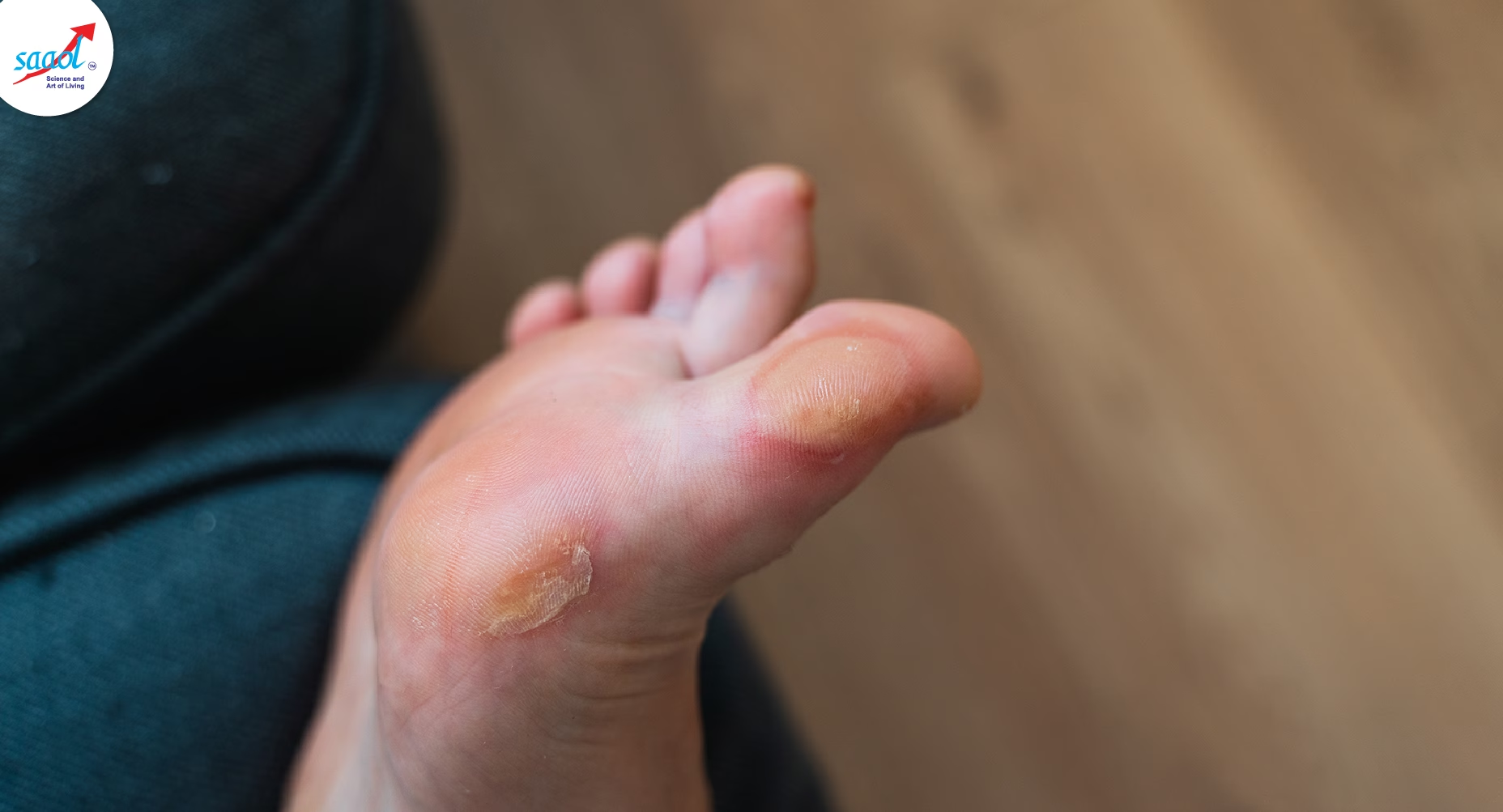
A cut on your foot that remains open, becomes darker or repeatedly returns may indicate inadequate blood flow. PAD and diabetes are two important possibilities.
Do not wait for a non-healing wound to become painful. Reduced sensation from diabetes can make a serious foot problem feel surprisingly mild. Prompt assessment can reduce the risk of infection and tissue damage.
12. Painful finger or toe bumps or painless spots on the palms and soles
Painful reddish-purple lumps on the fingers or toes are called Osler nodes. Flat, usually painless red or brown spots on the palms or soles are known as Janeway lesions.
Both are uncommon but recognised signs of infective endocarditis. They are more concerning when accompanied by unexplained fever, chills, night sweats, marked tiredness or breathlessness. The American Academy of Dermatology recommends medical assessment for these and other unexplained cardiovascular skin signs.
Does high cholesterol always cause changes on the skin?
No. High cholesterol usually causes no visible symptoms.
You may feel well, have clear skin and still have high LDL cholesterol. Conversely, a yellow eyelid patch does not automatically mean your arteries are blocked.
The only dependable way to assess cholesterol is through a blood test. Your doctor will interpret LDL, HDL, triglycerides and total cholesterol alongside your age, blood pressure, blood sugar, smoking history, family history and existing health conditions.
If your cholesterol is abnormal, do not rely on cosmetic removal of a deposit alone. The underlying risk still needs attention through medically appropriate lifestyle changes and, where prescribed, cholesterol-lowering medication. Explore practical approaches to managing high cholesterol through diet and lifestyle.
When should you seek medical help?
Arrange a consultation if a skin or nail change:
- Appears without a clear explanation
- Persists or becomes progressively worse
- Affects several nails
- Is accompanied by leg pain, fever, tiredness or breathlessness
- Occurs alongside a strong family history of early heart disease
- Includes yellow deposits around the eyes, tendons or joints
- Involves a foot wound that is not healing
Seek emergency help immediately for blue or grey lips, severe breathlessness, chest pressure, fainting, confusion, sudden one-sided weakness, or a cold, painful and discoloured limb.
Do not drive yourself if you may be experiencing a heart attack or another cardiovascular emergency.
What tests might a doctor recommend?
The right tests depend on the sign and your overall risk. Evaluation may include:
- Blood pressure and oxygen-saturation measurement
- Lipid profile, including LDL and triglycerides
- Blood sugar or HbA1c
- Examination of heart sounds and limb pulses
- Electrocardiogram or ECG
- Echocardiogram when heart structure or pumping requires assessment
- Ankle-brachial index for suspected PAD
- Blood cultures and echocardiography when endocarditis is suspected
Not everyone needs all of these tests. Your doctor will select them according to your symptoms, examination findings and cardiovascular risk.
A dermatologist may help identify the skin condition, while a physician or cardiologist assesses whether it is connected to cardiovascular health.
Your Skin Offers Clues: Get the Right Answer
Noticing a new mark or swelling can leave you wondering whether something serious is happening inside your body. You do not need to ignore that concern, but you also do not need to assume the worst.
A skin change is a starting point for evaluation, not a verdict.
If you have unexplained skin or nail changes along with high cholesterol, diabetes, blood pressure, breathlessness, chest discomfort or a family history of early heart disease, book a consultation with SAAOL Heartcare Delhi. A personalised assessment can help you understand your risk and decide what steps are appropriate for your long-term heart health.
FAQs
Q1. Can stress cause skin symptoms that resemble heart disease?
Yes. Stress can contribute to sweating, flushing, hives and eczema flare-ups, but these changes do not usually indicate heart disease. Chest discomfort, breathlessness, fainting or other concerning symptoms still require proper medical evaluation.
Q2. Are dark circles under the eyes a sign of heart disease?
Usually not. Dark circles are more commonly linked to genetics, allergies, pigmentation, tiredness or thinning skin. They are not considered a reliable symptom of heart disease or high cholesterol.
Q3. Can cholesterol deposits disappear after cholesterol is lowered?
Some deposits may become smaller, but many persist even after cholesterol improves. A dermatologist can discuss removal, while your physician manages the underlying cholesterol and cardiovascular risk.
Q4. Is one swollen ankle a heart-failure symptom?
Heart-related fluid retention more often affects both legs, although the swelling may not be perfectly equal. Sudden swelling in one leg can indicate a blood clot and requires urgent assessment, especially with pain, warmth or breathlessness.
Q5. What age should cholesterol screening begin?
Screening schedules depend on personal risk, family history and local clinical recommendations. Earlier testing is especially important when close relatives have very high cholesterol or developed heart disease at a young age.
Q6. Are skin signs more reliable than chest pain for detecting heart disease?
No. Skin signs are neither sensitive nor specific enough to detect heart disease reliably. Chest pressure, breathlessness, sweating, nausea, fainting and pain spreading to the arm, back, neck or jaw require greater urgency.
Medical disclaimer: This article provides general educational information and is not a substitute for diagnosis or treatment by a qualified healthcare professional. Seek emergency medical assistance for severe or sudden symptoms.
Book Appointment




In This Article
- Can heart disease really cause changes in your skin?
- Possible Heart or Circulatory Condition
- 12 Skin Signs That May Indicate Heart Disease
- 1. Swelling in the feet, ankles or lower legs
- 2. Blue or grey lips, tongue, skin or nails
- 3. Yellow patches around the eyelids
- 4. Yellow or orange bumps elsewhere on the body
- 5. Sudden clusters of small, waxy bumps
- 6. A white or grey ring around the coloured part of the eye
- Which nail changes may be signs of heart disease?
- 7. Clubbed fingers and downward-curving nails
- 8. Red, brown or black lines beneath the nails
- 9. Slow-growing, pale or unusually brittle toenails
- 10. Shiny, cool or hairless skin on the legs
- 11. Foot or toe sores that heal slowly
- 12. Painful finger or toe bumps or painless spots on the palms and soles
- Does high cholesterol always cause changes on the skin?
- When should you seek medical help?
- What tests might a doctor recommend?
- Your Skin Offers Clues: Get the Right Answer
- FAQs
×
Request for a Call Back
Thank You! We'll get back to you shortly.