
All
Garlic and Heart Health: Can Garlic Really Remove Heart Blockage?
No, garlic cannot dissolve or remove an existing heart blockage. Research suggests that certain garlic preparations may produce modest improvements in blood pressure or cholesterol, but this is not the same as opening a narrowed coronary artery. Garlic can be part of a heart-healthy diet, but it should never replace prescribed medicines, cardiac tests or medically recommended treatment.
Perhaps someone in your family advised you to chew raw garlic every morning after seeing a high cholesterol result. Or you received an angiography report and were told that garlic, lemon and warm water could “clean” your arteries.
It is natural to hope that something already present in your kitchen could solve a frightening heart problem. But when it comes to garlic and heart health, separating nutritional support from medical treatment is essential.
This article explains what garlic may help with, what it cannot do and how to use it safely.
Can Garlic Remove Heart Blockage?
No. Garlic cannot dissolve, flush out or remove an existing blockage from a coronary artery.
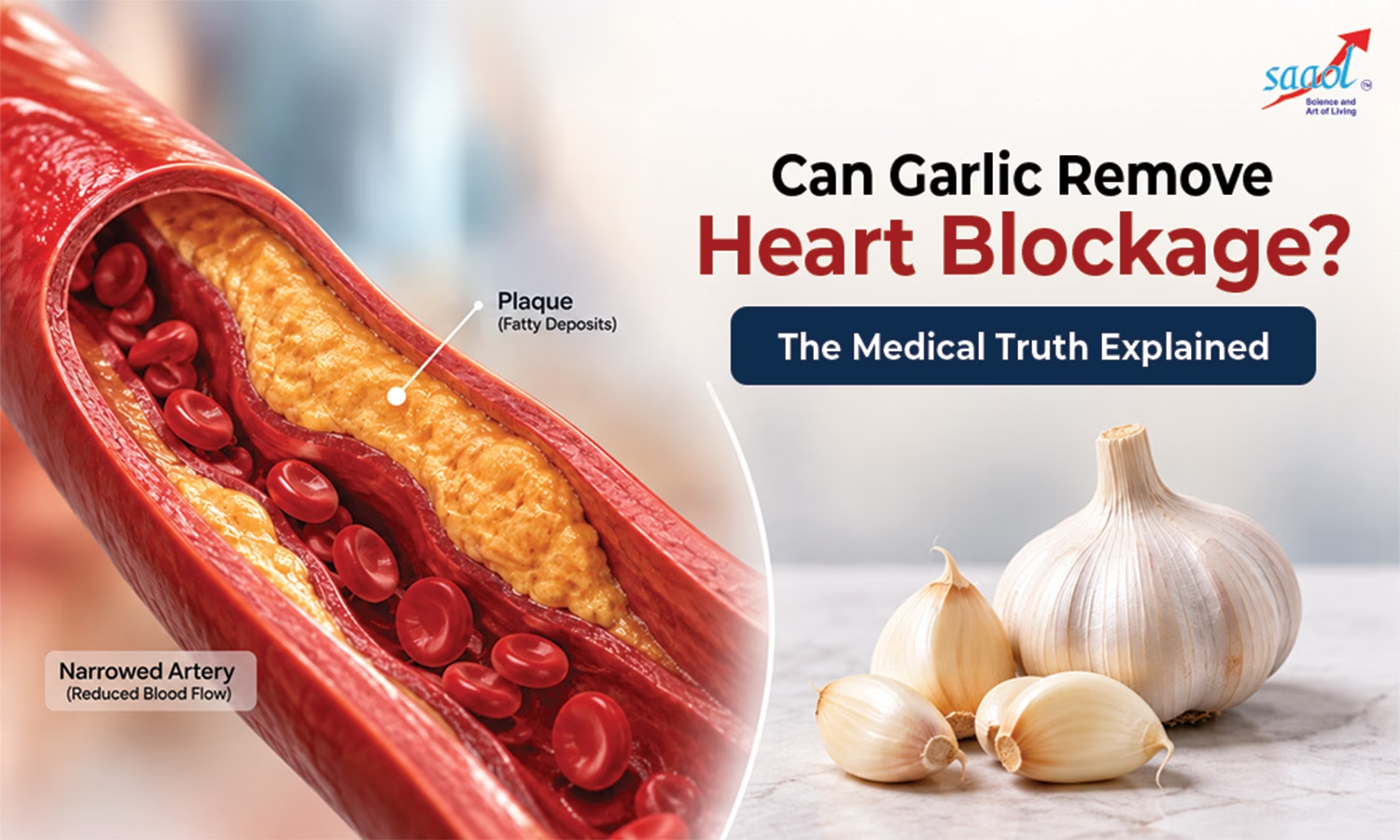
Heart blockage usually develops through atherosclerosis, a condition in which cholesterol, fat, calcium and inflammatory cells collect inside the artery wall. This plaque can gradually narrow the artery and restrict blood flow. If it ruptures, a blood clot may form and trigger a heart attack.
Some early research has examined whether garlic can influence plaque progression. A small randomised clinical trial published in Experimental and Therapeutic Medicine involving 80 people with diabetes found that aged garlic extract might help slow changes in a softer type of coronary plaque.
However, the study tested a standardised supplement. not ordinary garlic cloves. Its findings do not show that eating garlic can remove an existing blockage or prevent a heart attack.
Garlic may support some cardiovascular risk factors, but it cannot physically remove an established coronary blockage.
What Heart-Healthy Nutrients Does Garlic Contain?
According to USDA food-composition data, garlic contains vitamin B6, vitamin C, manganese, selenium and a small amount of fibre.
However, because garlic is normally eaten in small quantities, it does not provide large amounts of these nutrients. Its potential heart-health value is mainly linked to natural organosulfur compounds such as alliin and allicin.
| Nutrient or compound | Potential role in heart health |
| Vitamin B6 | Supports normal metabolism and helps regulate homocysteine, an amino acid associated with heart risk when levels are high. |
| Vitamin C | Provides antioxidant support and helps protect cells from oxidative stress |
| Manganese | Supports antioxidant enzymes and normal metabolic functions. |
| Selenium | Helps protect cells from oxidative damage |
| Organosulfur compounds | Supports cholesterol management, although one or two garlic cloves provide only a small amount |
| Fibre | Supports cholesterol management, although one or two garlic cloves provide only a small amount. |
Garlic can make healthy meals more flavorful without adding extra salt. Its sulphur compounds have also been studied for possible effects on cholesterol and blood pressure. However, its nutritional and cardiovascular benefits are supportive, not a replacement for medical treatment
How Does Garlic Support Heart Health?

Garlic, scientifically known as Allium sativum, contains organosulfur compounds. Allicin is formed when fresh garlic is chopped or crushed, although its amount and stability vary considerably.
Research has mainly examined whether garlic preparations can influence cardiovascular risk factors, rather than whether they can cure coronary artery disease.
| Possible effect | What the evidence suggests | What it does not mean |
| Blood pressure | Some preparations may modestly reduce BP, particularly in people with hypertension | Garlic can replace BP medicine |
| Cholesterol | Some analyses show small reductions; other good-quality trials show no meaningful benefit | Garlic clears cholesterol plaque |
| Blood-vessel function | Early studies suggest possible supportive effects | A narrowed artery has reopened |
| Plaque progression | A few small trials of aged extract report promising imaging changes | Heart blockage has been removed |
The US National Center for Complementary and Integrative Health states that garlic may have small beneficial effects on blood pressure and cholesterol. It also stresses that complementary products should not replace prescribed treatment.
In short, garlic may support heart health, but it is not a treatment for an existing blockage.
Does Garlic Lower Cholesterol?
Garlic may slightly lower total and LDL (“bad”) cholesterol in some people, but the evidence is mixed.
A study published in PUBMED reported average reductions of around 14 mg/dL in total cholesterol and 8 mg/dL in LDL.
However, a randomised clinical trial available through the National Library of Medicine studied 192 adults with moderately high LDL cholesterol for six months. The raw garlic, garlic powder and aged garlic extract tested in the study did not significantly improve LDL or other blood-lipid levels compared with a placebo. However, these findings apply specifically to the preparations, doses and participants studied.
Therefore, garlic may support cholesterol control, but it cannot replace cholesterol tests, prescribed medicines or broader lifestyle changes. Diet and lifestyle approach to managing high cholesterol can bring the practical changes that matter beyond adding one food to your diet.
Is Garlic Good for Blood Pressure?
Garlic supplements may slightly lower blood pressure, particularly in people with hypertension. A systematic review and meta-analysis published in NLM reported an average 6.7 mmHg reduction in systolic BP, the upper number in a BP reading. However, results varied across the included studies.
Garlic is not a quick remedy for high BP and should not replace prescribed medicines. Instead, focus on checking and monitoring your heart-health numbers correctly, limiting excess salt and staying active when medically safe. Understanding the latest blood-pressure guide can also help you discuss persistent high readings with your doctor.
Is Raw Garlic Better Than Cooked Garlic or Supplements?

No form of garlic has been proven to remove heart blockage or prevent a heart attack on its own. Each form is also different:
- Raw garlic: Crushing or chopping it produces allicin, a short-lived sulfur compound. It may cause acidity, burning or stomach discomfort in some people.
- Cooked garlic: Cooking can reduce some allicin, especially with prolonged heat. However, cooked garlic is usually easier to digest and remains a healthy way to flavour food.
- Aged garlic extract: Garlic is aged under controlled conditions to produce more stable sulfur compounds. This is the form used in several clinical studies, but their results cannot be applied directly to ordinary garlic cloves.
- Garlic powder: Made from dried garlic, its active-compound content can differ according to processing and storage.
- Garlic oil: It contains oil-soluble sulfur compounds but little or no allicin. Its composition and possible effects differ from raw garlic and aged extracts.
- Standardised garlic supplements: These tablets or capsules are manufactured to provide a stated amount of selected compounds. However, formulations and doses still vary, and they should be taken only after medical advice.
There is no medically established form or quantity of garlic that can clear coronary blockage. Garlic is best used as part of an overall heart-healthy eating pattern.
When Can Garlic Become Unsafe for a Heart Patient?
Garlic used in normal cooking is generally well tolerated, but concentrated supplements require greater caution.
According to the National Center for Complementary and Integrative Health, garlic supplements may increase bleeding risk. This is particularly important for people taking aspirin, warfarin or other medicines that affect blood clotting, and for anyone preparing for surgery.
Speak to your doctor before taking a garlic supplement if you:
- Take an anticoagulant or antiplatelet medicine
- Have a bleeding disorder
- Are scheduled for surgery or a dental procedure
- Take several medicines for BP or heart disease
- Experience dizziness or unusually low BP
- Are pregnant or breastfeeding
- Develop persistent acidity, vomiting or abdominal discomfort
“Natural” describes where a product comes from. It does not guarantee the right dose, freedom from side effects or safety with medicines.
Conclusion: Keep Garlic on the Plate, Not in Place of Treatment
Garlic can support heart health by modestly helping manage blood pressure and cholesterol, but it cannot remove an existing blockage or replace medical treatment.
Because a heart blockage needs more than a home remedy, the right next step is a proper medical evaluation.
Book a consultation with SAAOL Heartcare Delhi to understand your heart condition and explore suitable treatment options.
FAQs
Q1. Should I eat garlic on an empty stomach for better heart benefits?
You can, but there is no clear evidence that taking garlic on an empty stomach offers extra heart benefits. If raw garlic causes acidity, nausea or stomach irritation, add it to your meals instead.
Q2. What should I do if my blood pressure is high after eating garlic?
Do not wait for garlic to lower it. Sit quietly, check your BP again using the correct technique and follow your prescribed treatment. Seek urgent medical help if the reading is extremely high or occurs with chest pain, breathlessness, confusion, weakness or vision changes.
Q3. Should I choose black garlic instead of regular garlic?
You may use either as a food, depending on your taste and tolerance. Although black garlic contains different antioxidant compounds, there is not enough evidence to confirm that it protects the heart better than regular garlic.
Q4. Can I take a garlic supplement while using aspirin?
Ask your doctor before combining them. Garlic supplements and aspirin may both affect blood clotting, which could increase the risk of bruising or bleeding. Garlic used in normal cooking quantities is generally less concerning.
Q5. Can garlic lower blood pressure immediately?
No. Garlic is not a fast-acting treatment for a high BP reading. Its possible benefits have mainly been studied after regular use of particular preparations, and it should not replace prescribed BP medicine.
Disclaimer: This article provides general educational information and does not replace medical diagnosis or personalised treatment. Do not start supplements, stop medicines or delay emergency care without advice from a qualified healthcare professional.
Book Appointment


In This Article
- Can Garlic Remove Heart Blockage?
- What Heart-Healthy Nutrients Does Garlic Contain?
- How Does Garlic Support Heart Health?
- Does Garlic Lower Cholesterol?
- Is Garlic Good for Blood Pressure?
- Is Raw Garlic Better Than Cooked Garlic or Supplements?
- When Can Garlic Become Unsafe for a Heart Patient?
- Conclusion: Keep Garlic on the Plate, Not in Place of Treatment
- FAQs
×
Request for a Call Back
Thank You! We'll get back to you shortly.