
All
Silent Heart Blockage: Symptoms, Causes, Risks & Diagnosis
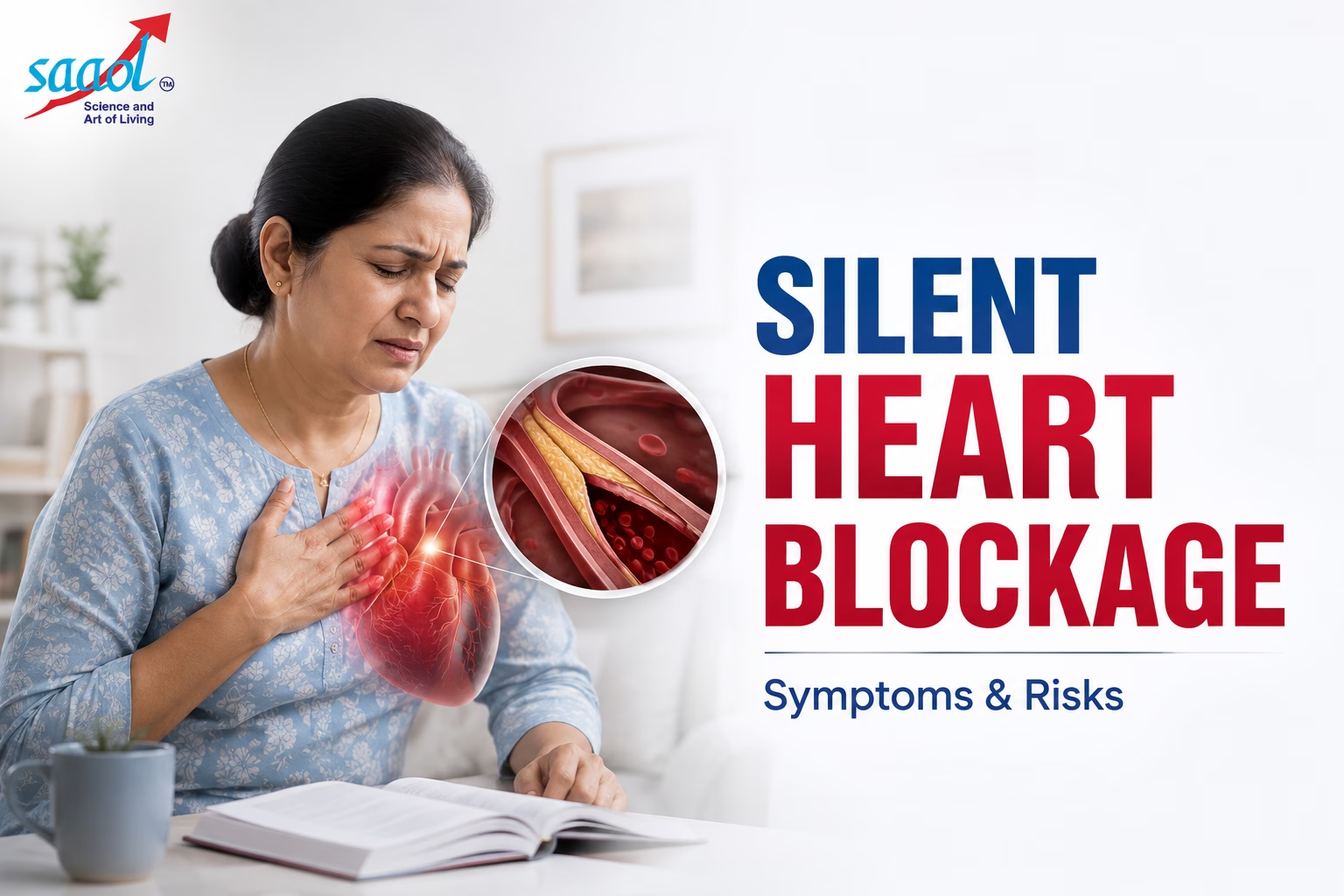
Heart blockage does not always begin with the classic warning sign of chest pain. Some people with coronary artery disease may have atypical symptoms such as unexplained breathlessness, unusual fatigue or reduced exercise tolerance, while others may have reduced blood flow to the heart without noticeable symptoms. This is known as silent ischemia.
Perhaps you still complete your daily routine, but the stairs feel harder than before. You pause more often during a walk or feel unusually tired after simple activities. It is easy to blame these changes on stress, poor sleep, acidity or aging, until a routine test reveals coronary artery disease.
So, how do you recognise a heart problem that may barely announce itself? This blog explores the possible symptoms and risks of silent heart blockage, who is most vulnerable, how doctors detect it and when it is time to seek medical attention.
What is Silent Heart Blockage?
Silent heart blockage is a commonly used term for coronary artery disease that may not cause typical symptoms. Medically, related concepts include silent ischemia and silent or unrecognized myocardial infarction, which are not interchangeable.”
The AHA defines silent ischemia as reduced blood flow to the heart without obvious symptoms.
CAD develops when plaque made of cholesterol, fat, calcium and other material, accumulates inside the coronary arteries. These arteries carry oxygen-rich blood to the heart muscle. As they narrow, blood flow may become inadequate, particularly when the heart works harder.
The terms are related but not identical:
| Condition | What it means |
| Coronary artery disease | Plaque has narrowed or affected the coronary arteries |
| Silent ischemia | The heart temporarily receives insufficient blood and oxygen without recognised symptoms |
| Silent heart attack | Heart-muscle damage has occurred, but its symptoms were absent, mild or mistaken for something else |
The American Heart Association defines silent ischemia as reduced blood flow to the heart without obvious symptoms. Ischemia does not automatically mean that a heart attack has occurred, but persistent or severe loss of blood flow can damage the heart.
What Symptoms May Suggest Hidden or Silent Heart Blockage?
Strictly speaking, silent ischemia has no noticeable symptoms. However, coronary artery disease can sometimes produce mild, atypical or easily overlooked symptoms
Possible signs include:
- Unexplained breathlessness during routine activity
- A noticeable reduction in walking or exercise capacity
- Unusual or persistent fatigue
- Mild pressure, tightness or burning in the chest
- Discomfort in the jaw, back, shoulder, arm or upper abdomen
- Nausea, sweating, dizziness or light-headedness
- Indigestion-like discomfort that appears during exertion
- Palpitations or a feeling that the heart is beating irregularly
These symptoms have many possible causes, including anaemia, lung conditions, digestive problems, anxiety and poor sleep. Their presence cannot confirm heart blockage.
A useful clue is a new or recurring pattern, particularly symptoms that begin with exertion and improve with rest.
Women, older adults and people with diabetes may experience less typical manifestations of myocardial ischemia. The American Heart Association’s guidance on heart attack symptoms in women includes breathlessness, nausea, light-headedness and discomfort outside the chest.
You can also explore the differences between heart attack and heart failure when symptoms such as fatigue or breathlessness are difficult to interpret.
Who Is More Likely to Develop Silent Heart Disease?
Anyone can develop silent heart disease, but the likelihood rises when several risk factors occur together.
Important risk factors include:
- Diabetes or prediabetes
- High blood pressure
- Elevated LDL cholesterol or triglycerides
- Smoking or regular exposure to tobacco smoke
- A family history of premature heart disease
- Physical inactivity
- Excess body weight, particularly around the waist
- Chronic kidney disease
- Increasing age
- A previous heart attack, stent, bypass surgery or known CAD
The US Centers for Disease Control and Prevention identifies high blood pressure, high cholesterol and smoking as key heart-disease risk factors. Diabetes, inactivity, an unhealthy diet and excess weight add to the risk.
Diabetes deserves particular attention because some people with diabetes may experience reduced or atypical awareness of cardiac ischemia.
Silent events are also clinically important. In an analysis of 9,498 participants from the US-based ARIC cohort, approximately 45% of the heart attacks detected during follow-up were silent.
This population finding should not be interpreted as an individual prediction, but it highlights that a heart attack is not always immediately recognised. The original study was published in the The National Library of Medicine.
How Do Doctors Detect Heart Blockage Without Typical Symptoms?
There is no single test that is appropriate for everyone. A doctor first considers your symptoms, age, medical history, family history and overall cardiovascular risk.
Initial assessment
This may include:
- Blood-pressure measurement
- Cholesterol and triglyceride testing (Lipid profile)
- Blood glucose or HbA1c testing
- Physical examination
- Resting electrocardiogram (ECG)
An ECG records the heart’s electrical activity. It may reveal a previous heart attack or other abnormalities, but it does not directly show coronary artery narrowing.
Tests selected according to clinical risk
Depending on the findings, a cardiologist may recommend:
- Exercise stress test: Assesses the heart while you walk on a treadmill or cycle.
- Stress echocardiogram: Uses ultrasound to examine how the heart responds to exertion or medication.
- Myocardial perfusion imaging: Shows whether parts of the heart receive inadequate blood during stress.
- Coronary CT angiography: Produces detailed images of coronary plaque and narrowing.
- Invasive coronary angiography: Uses a catheter and contrast dye to define the arteries when clinically necessary.
The 2024 European Society of Cardiology guidelines recommend choosing heart-imaging tests based on a person’s symptoms, risk factors and likelihood of coronary artery disease.
This means that not every person without symptoms needs advanced heart tests. Unnecessary screening can sometimes lead to unclear results and further procedures that may not be needed. The 2026 American Diabetes Association Standards of Care also do not recommend routine CAD screening for every symptom-free person with diabetes, provided their cardiovascular risk factors are being properly managed.
What Are the Risks of Undetected Ischemia?
Depending on its cause, severity and duration, untreated or recurrent myocardial ischemia can increase the risk of-
- Heart attack
- Arrhythmias
- Reduced heart function
- Heart failure
- Reduced exercise capacity
A silent heart attack can also leave scar tissue in the heart. An ACC study published in the Journal of the American College of Cardiology found that people who had experienced a silent heart attack had a higher rate of heart failure than those with no previous heart attack.
The study followed participants for a median of 13 years. However, this does not mean that everyone who has a silent heart attack will develop heart failure.
The percentage of blockage is only one part of the picture. Doctors also consider its location, how much it affects blood flow, the nature of the plaque, how well the heart is functioning and the person’s overall health when assessing what 50%, 70% or 90% heart blockage may mean for them.
What Should You Do If You Are Worried About Silent Blockage?
Start with risk assessment, not self-diagnosis.
- Notice changes from your normal. Do not repeatedly dismiss new breathlessness, reduced stamina or exertional discomfort as age or acidity.
- Know your numbers. Monitor blood pressure, blood glucose, LDL cholesterol and triglycerides at intervals recommended by your doctor.
- Share your full family history. Mention heart attacks, sudden cardiac deaths or procedures that occurred at an early age.
- Avoid tobacco. Smoking damages blood vessels and increases the risk of plaque formation and blood clots.
- Build consistent habits. A heart-supportive diet, regular activity, sufficient sleep, stress management and prescribed medicines can reduce cardiovascular risk.
- Do not start aspirin independently. Its benefits and bleeding risks vary, so it should only be used on medical advice.
- Discuss the right treatment after diagnosis. Management may involve lifestyle changes, medicines and, in selected cases, angioplasty, bypass surgery or other options.
When silent heart blockage is detected, improving blood flow and preventing further damage become the main priorities.
At SAAOL Heartcare Delhi, EECP Therapy works with structured lifestyle management to improve blood and oxygen supply to the heart, reduce cardiac strain and help patients regain better stamina and confidence in daily activities. The treatment plan is personalised after a detailed heart evaluation.
When Should You Seek Emergency Help?
Call emergency medical services immediately if you experience:
- Chest pain, pressure, tightness or heaviness lasting more than a few minutes
- Chest discomfort that goes away and returns
- Sudden shortness of breath
- Cold sweating, nausea, dizziness or fainting
- Pain spreading to the arm, shoulder, jaw, neck or back
Do not wait for the symptoms to become severe or try to drive yourself to the hospital. Even mild or unusual symptoms can require urgent medical attention.
Final Insights
The real concern with silent heart blockage is the time it can remain undetected. Without timely care, the condition may continue to progress and the first clear warning could be a serious heart event. Early evaluation creates an opportunity to control the disease before it affects the heart’s strength and function.
If you have diabetes, high blood pressure, high cholesterol, a family history of heart disease or unexplained tiredness and breathlessness, book a consultation with SAAOL Heartcare Delhi for a detailed heart evaluation and personalised guidance.
FAQs
Q1. Can a healthy-looking person have silent heart blockage?
Yes. Looking fit or maintaining a healthy weight does not rule out heart blockage. High cholesterol, blood pressure, diabetes, smoking, chronic stress and family history can quietly increase the risk of coronary artery disease, even in people who exercise regularly and appear healthy.
Q2. Can someone have heart blockage with normal cholesterol?
Yes. A normal cholesterol report does not guarantee clear arteries. Plaque may have developed over many years, and factors such as diabetes, high blood pressure, smoking, chronic inflammation and family history can also contribute to heart blockage. Doctors therefore assess overall cardiovascular risk, not cholesterol alone.
Q3. Does a normal ECG mean there is no blockage?
No. An ECG records the heart’s electrical activity; it does not directly show whether the coronary arteries are narrowed. If the heart is receiving enough blood while you are resting, the ECG may appear normal even when a blockage is present. Further tests may be needed based on your symptoms and risk.
Q4. Can silent heart blockage occur in people under 40?
Yes. Although heart blockage is more common with increasing age, it can also develop before 40. Smoking, diabetes, high blood pressure, inherited high cholesterol and a family history of early heart disease can speed up plaque buildup, sometimes without causing noticeable symptoms.
Q5. Can silent coronary artery disease be treated without surgery?
Yes. But treatment depends on the extent and cause of coronary artery disease. Many patients can manage their condition with lifestyle changes, risk-factor control and prescribed medicines, while some may require angioplasty or bypass surgery. Selected patients with persistent angina may also be considered for non-invasive therapies such as EECP after a detailed cardiac evaluation. The most appropriate treatment depends on the individual’s condition.
Q6. Can silent coronary artery disease be reversed?
Yes, silent coronary artery disease can be reversed at SAAOL in selected patients through a combined non-surgical programme that improves blood flow and addresses the underlying causes of heart disease. The programme includes EECP Therapy, a Zero-Oil Diet, lifestyle management and prescribed medications. Results may vary depending on each patient’s heart condition.
Disclaimer: This content is intended for general educational purposes and does not replace professional medical advice, diagnosis or treatment. Seek emergency medical care immediately for new or severe chest pain, breathing difficulty, fainting or other possible heart-attack symptoms.
Book Appointment



In This Article
- What is Silent Heart Blockage?
- What Symptoms May Suggest Hidden or Silent Heart Blockage?
- Who Is More Likely to Develop Silent Heart Disease?
- How Do Doctors Detect Heart Blockage Without Typical Symptoms?
- Initial assessment
- Tests selected according to clinical risk
- What Are the Risks of Undetected Ischemia?
- What Should You Do If You Are Worried About Silent Blockage?
- When Should You Seek Emergency Help?
- Final Insights
- FAQs
×
Request for a Call Back
Thank You! We'll get back to you shortly.