

SAAOL Warning: Heart Attacks Are Hitting Sooner Than You Think
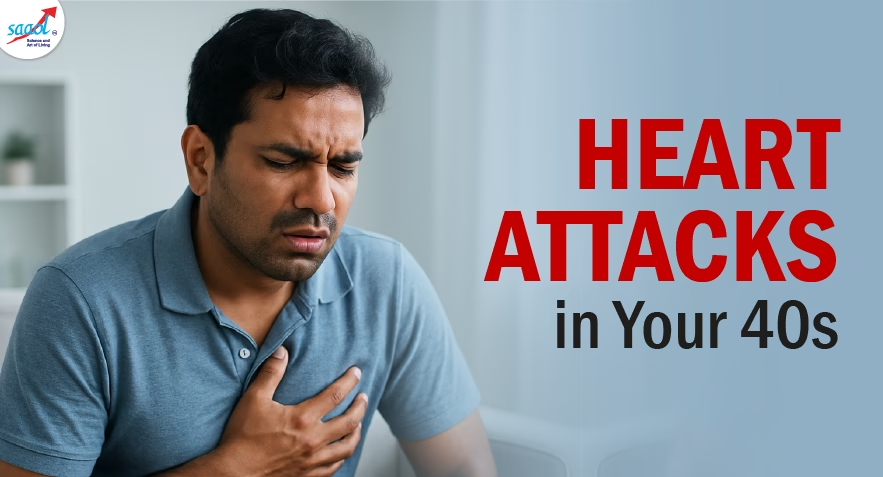
Heart attacks are no longer confined to old age. At SAAOL Heartcare, doctors are increasingly seeing heart attacks in people in their 30s and 40s individuals who appear fit, active, and otherwise healthy. A 38-year-old professional collapsing after a routine workday is no longer an exception; it is becoming a worrying pattern.
The long-held belief that heart disease begins only after 60 is being challenged every day. Heart attacks in your 30s and 40s are rising steadily, often without prior warning signs. Recent losses of young public figures to sudden cardiac events have further highlighted how early and silently heart disease can progress.
This trend is supported by medical data. The American Heart Association reports that 1 in 5 heart attack patients in the U.S. is under 40. In India, although the average age of a first heart attack is around 53, cardiologists are increasingly diagnosing advanced coronary blockages in patients in their mid-30s to early 40s.
The critical question is not just why this is happening, but whether it can be prevented. This blog explains the real causes behind early heart attacks and shares evidence-based, SAAOL-guided preventive strategies to protect your heart before damage occurs.
Causes of heart attacks in the 30s and 40s?
The increase in early heart attacks is not a coincidence. It is the direct result of modern lives, mixed with genetic predispositions and environmental influences. Here are the key drivers of this troubling trend:
Stress and long working hours
Stress has shifted from being an occasional nuisance to having severe consequences for people. An article in the Lancet showed that chronic stress can increase every person’s risk of coronary heart disease by 27%. Stress makes a person have high cortisol levels which cause the following:
-Raised blood pressure
-Plaque build-up within arteries
-Systematic inflammation
Sedentary Lifestyles
The increased use of technology has turned the lack of movement into a public health issue. According to WHO, 27.5% of adults worldwide are insufficiently active and are putting themselves at risk for heart diseases. Remaining seated for longer periods leads not only to weight gain, but also negatively affects blood circulation, and insulin distribution, and increases cholesterol.
Unhealthy Diets
The increasing rates of heart disease are greatly contributed by the addictive wearing of processed and ultra-processed foods. Research by the Journal of American Medical Association (JAMA) states that trans fats and added sugars result in 34% of early deaths from CVD.
Lifestyle Diseases like Diabetes, BP & cholesterol
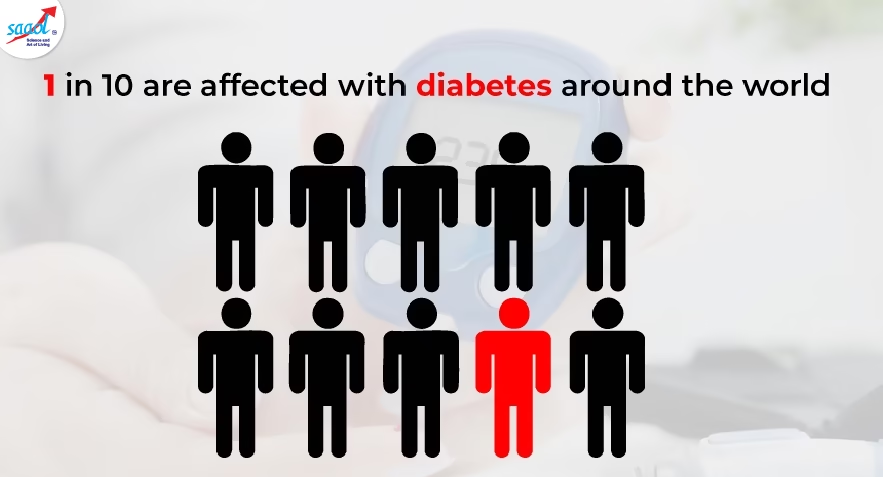
Conditions like diabetes, high blood pressure, and obesity, which used to only affect older people, are now relied upon by younger individuals. Diabetes, according to the International Diabetes Federation, impacts roughly 537 million, or around 1 in 10 adults around the world. The number of untreated individuals is extremely high, which marks a need for concern. These diseases significantly increase the potential for heart attack.
Lack of Sleep
Long-term sleep insufficiency has a negative impact on the body’s self-healing capabilities and causes inflammation as well as other metabolic issues. This phenomenon is also documented in the Nurses’ Health Study. Women who slept at least 7- 8 hours a night, as opposed to the ones who slept less than 5 hours a night, had around 45% lower chances of developing heart diseases.
How to protect your heart
Heart attacks are preventable if you take these easy steps. Here’s a step-by-step strategy for keeping your heart healthy for decades:
Understand your risk factors
Understanding your personal risk is the first step towards prevention. Schedule routine health screenings with the SAAOL heart center to monitor:
Cholesterol Levels: LDL (“bad” cholesterol) should be less than 100 mg/dL, while HDL (“good” cholesterol) should be greater than 40 mg/dL for men and 50 mg/dL for women.
Blood pressure: Aim for a reading of 120/80 mmHg.
Blood Sugar Levels: Fasting glucose should not exceed 100 mg/dL.
Even if you feel fine, underlying risk factors such as high cholesterol or prediabetes can quietly harm your heart.
Rethink Your Diet
Your heart’s health is closely related to what you consume. Here’s how to create a heart-healthy diet:
- Increase Fibre: A meta-analysis published in The American Journal of Clinical Nutrition found that consuming 25-30 grams of fiber per day can reduce LDL cholesterol by up to 10%.
- Adapt Zero-Oil Cooking: Replace saturated fats with Zero-oil. You have had the wrong idea for ages that oil is necessary to cook food. It is not you can still cook lip-smacking recipes without a drop of oil.
- Limit Sodium: To lower blood pressure, the WHO recommends keeping sodium consumption to less than 5 grams per day.
Prioritise Regular exercise
Physical activity is more than just losing weight; it also strengthens your heart. Weekly, perform 150 minutes of moderate-intensity aerobic exercise (such as brisk walking or cycling).
Add weight exercise twice a week to increase muscle mass and enhance circulation.
Even minor modifications, such as using the stairs or walking during lunch can make a significant difference.
Managing Stress Effectively
Chronic stress is damaging to your heart. Include stress-relieving measures such as:
Meditation and Yoga: Yoga lowers systolic blood pressure by an average of 5 mmHg.
Deep Breathing Exercises: Simple techniques such as the 4-7-8 breathing method will reduce your heart rate and cortisol levels in just minutes.
Quit smoking and alcohol consumption
Smoking harms the lining of your arteries, increasing your risk of a heart attack by 2-4 times. Similarly, alcohol use raises blood pressure and lipids.
Sleep as if your life depends on it
Adults should attempt to get 7-8 hours of sleep per night. If you have sleep apnoea (typically coupled with snoring), get medical attention immediately, since it has been related to an increased risk of heart attacks.
Early Warning Signs You Should Not Ignore
The symptoms of a heart problem are not just crushing ache in the chest, look for more symptoms as well as acute chest pain:
- Weakness or an increase in breathlessness
- Discomfort in the neck, jaws, or the region above the spine.
- Unwanted pain in the stomach, giddiness, excessive perspiration, or cold sweats.
If you notice even the slightest combination of symptoms, get Dr. Bimal Chhajer heart treatment without wasting any time.
Case study: The case of 39-year-old software engineer Rahul brings into focus the need to get medical attention at the right time. He had some chest discomfort now and then but he put it down as acid reflux. One day while jogging, he suffered a massive heart attack and fell. A cardiac scan later showed that there was a 90 percent blockage of two arteries in his heart. The case also points to unmanaged stress, lack of exercise, borderline high cholesterol, and poor focus on these factors due to a demanding lifestyle.
Having a heart attack at the age of 40 is a stark reminder to not just the affected families, but society as a whole. This is something we can prevent. Knowing which risk factors relate to you, making long-term changes in diet, and getting medical checkups periodically will ensure a strong heart for years to come.
It is time to end the cycle, reclaim your narrative, and inspire others to do the same. A heart that is free of ailments means living better along with having a longer life.