

All
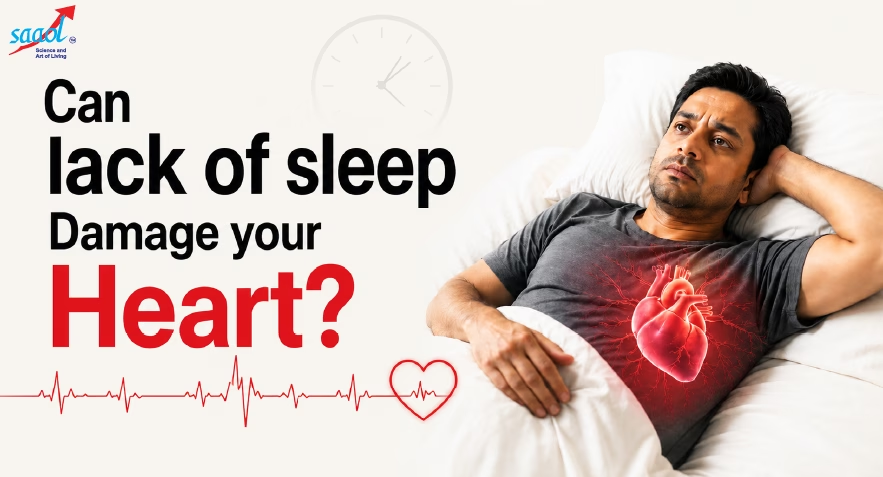
Can Lack of Sleep Cause a Heart Attack? Know the Hidden Risks
Yes, regularly getting too little or poor-quality sleep can increase your risk of a heart attack over time. While one restless night is unlikely to harm your heart, repeatedly waking exhausted may mean your heart is missing the nightly recovery it needs. Silently, this can raise blood pressure, disrupt blood sugar, increase inflammation and place your cardiovascular system under greater strain.
Research published in the European Heart Journal, involving 474,684 adults, found that short sleep was associated with a 48% higher relative risk of developing or dying from coronary heart disease. This does not mean poor sleep alone causes every heart attack, but it is an important and often overlooked risk factor.
So, can lack of sleep cause heart attack, and how are sleep and heart attack risk connected?
This blog explains what poor sleep does to your heart, what your sleeping heart rate may reveal, whether sleeping on the left side is bad for your heart, and the best sleeping position to support safer, healthier rest.
Does Poor Sleep Cause a Heart Attack?
Poor sleep does not usually cause a heart attack on its own. However, when too little or disturbed sleep becomes a regular pattern, it can affect several systems that protect your heart.
Repeated sleep loss keeps the body’s stress response more active than it should be. This can prevent the normal night time fall in blood pressure, affect blood sugar regulation and increase inflammation.
Over time, these changes can damage artery walls and contribute to plaque formation. If a plaque ruptures and blocks blood flow to the heart, a heart attack can occur.
Sleep deprivation can interrupt this natural recovery and contribute to:
- High blood pressure: Poor sleep may prevent the normal night time drop in blood pressure, placing continued strain on the heart and arteries.
- Coronary artery disease: Sleep loss can increase inflammation, encouraging plaque formation and narrowing of the coronary arteries.
- Diabetes and weight gain: Insufficient sleep can disrupt blood sugar control and appetite hormones, increasing two major cardiovascular risk factors.
- Heart-rate changes: Frequent awakenings may cause sudden spikes in heart rate and blood pressure, adding further cardiac stress.
In other words, poor sleep may not trigger a heart attack directly, but it can strengthen several conditions that make one more likely over time.
This is why the American Heart Association included healthy sleep in its Life’s Essential 8 measures. If stress keeps you awake, understanding the connection between mental health and heart disease may help you address the cycle early.
How Much Sleep Does Your Heart Need?
Most adults need seven to nine hours of sleep each night.
Adults who regularly sleep less than the recommended seven to eight hours may face a higher cardiovascular risk.
According to the American Heart Association, every one-hour decrease below seven to eight hours of sleep per night is associated with a 6% higher risk of cardiovascular disease.
But hours are only one part of healthy sleep. Quality, regularity and how refreshed you feel also matter.
| Sleep pattern | What it may mean for heart health |
| 7–9 hours, refreshing and regular | The usual target for most adults |
| Under 7 hours most nights | Associated with poorer cardiovascular health over time |
| 7–9 hours but frequent waking | May still be poor-quality sleep; look for the cause |
| Over 9 hours regularly with fatigue | Not automatically harmful, but may reflect an underlying health problem |
| Loud snoring, gasping or breathing pauses | Possible obstructive sleep apnoea; medical evaluation is important |
Long sleep does not necessarily damage the heart directly. Illness, depression, medication effects or fragmented sleep can make someone stay in bed longer. This is another reason association should not be mistaken for causation.
Could Sleep Apnoea Be the Hidden Reason You Sleep Poorly?
Yes. Sleep apnoea repeatedly narrows or blocks the airway, causing brief pauses in breathing and drops in oxygen levels. Your brain then wakes you momentarily to restore breathing, often without you remembering it.
These repeated interruptions prevent deep, restorative sleep, leaving you tired even after spending enough hours in bed.
Is Sleep Apnoea a Hidden Heart Attack Risk?
The US National Heart, Lung, and Blood Institute lists loud snoring, gasping, breathing pauses, morning headache and daytime sleepiness among common signs.
The CDC notes that sleep apnoea increases the risk of high blood pressure, heart attack and stroke.
What Is a Normal Sleeping Heart Rate?
Your sleeping heart rate is the number of times your heart beats each minute while you are asleep. The American Heart Association states that an adult resting heart rate is generally 60–100 beats per minute and may fall below 60 during sleep; fitness, age, medicines and health conditions all influence the number.
What affects sleeping heart rate?
- Age
- Fitness
- Stress
- Alcohol
- Fever
- Medications
- Sleep quality
Is Sleeping on the Left Side Bad for Your Heart?
For most people, sleeping on the left side is not known to damage the heart or cause a heart attack. Because the heart sits toward the left of the chest, its beat may feel more noticeable in this position. Feeling it more clearly does not necessarily mean it is beating dangerously.
Some people with heart failure feel more breathless on the left and naturally prefer the right side. People with obstructive sleep apnoea may breathe better on their side than on their back. Left-side sleeping can also reduce acid reflux for some people.
So, what is the best sleeping position to avoid a heart attack?
There is no proven position that prevents one. Choose the position in which you breathe comfortably and wake least often. If lying flat causes breathlessness, you need a medical assessment, not simply a different pillow.
The American Heart Association similarly advises individualising positions according to conditions such as sleep apnoea, reflux and heart failure.
How Can You Protect Your Heart by Sleeping Better?
You do not need a perfect routine overnight. Start with changes you can repeat:
- Keep the same wake-up time, including weekends. This anchors your body clock.
- Give yourself a seven-to-nine-hour sleep window.
- Seek morning daylight and stay physically active during the day.
- Reduce caffeine later in the day and avoid nicotine near bedtime.
- Avoid using alcohol as a sleep aid; it can fragment sleep later in the night.
- Keep the room cool, dark and quiet, and put screens away before bed.
- Treat the reason you are awake. Pain, reflux, anxiety, menopausal symptoms or frequent urination, rather than repeatedly masking it with sleeping pills.
- Ask about sleep-apnoea testing if you snore loudly, gasp, wake with headaches or remain sleepy despite enough time in bed.
Sleep is only one part of heart disease prevention. Blood pressure, blood sugar, cholesterol, tobacco exposure, nutrition, physical activity and family history also matter, which is why regular heart check-ups are essential for identifying cardiovascular risks early, especially after 40 or if you have multiple risk factors
When Should Poor Sleep or Night time Symptoms Worry You?
Book a medical consultation if poor sleep continues for several weeks, affects daytime function, or comes with loud snoring, gasping, morning headaches, persistent palpitations, uncontrolled blood pressure or breathlessness when lying down.
Seek emergency care for chest pain, especially if it spreads to the arm, jaw, back or shoulder, or occurs with breathlessness, sweating, nausea or fainting. Do not drive yourself or wait for it to pass. Learn the key differences between a heart attack and heart failure.
Key Takeaway: Sleep Better, Protect Your Heart
Poor sleep is not a personal failure or a prediction that you will have a heart attack. It is a health signal worth noticing.
In India, late working hours, long commutes, shift work, stress, screen exposure and untreated snoring commonly interfere with regular sleep. People who already have diabetes, high blood pressure, obesity or heart disease should take persistent sleep problems especially seriously.
If poor sleep occurs alongside high blood pressure, diabetes, chest discomfort, breathlessness or an existing heart condition, book a heart-health consultation with SAAOL Heartcare Delhi.
A proper assessment can help you understand your risk and choose appropriate sleep, lifestyle and medical measures.
FAQs
Q1. Can One Sleepless Night Cause a Heart Attack?
One all-nighter is unlikely to cause a heart attack in an otherwise stable person, but it can temporarily raise stress, blood pressure and heart rate. People with established heart disease or concerning symptoms should seek individual medical advice.
Q2. Can sleeping for five hours cause a heart attack?
Five hours in one night does not mean you will have a heart attack. Regularly sleeping this little, however, is associated with higher cardiovascular risk and should prompt attention to the cause.
Q3. Can catching up on sleep at weekends protect the heart?
Weekend sleep may reduce tiredness, but it should not replace a consistent sleep schedule. Aim to meet your sleep need regularly rather than building a large weekly sleep debt.
Q4. Why do I wake up with my heart racing?
A racing heart on waking can follow a dream, anxiety, fever, dehydration, alcohol, low blood sugar, sleep apnoea or an arrhythmia. Recurrent episodes, especially with chest pain, fainting or breathlessness, need medical evaluation.
Q5. Can sleeping pills reduce heart-attack risk?
Sleeping pills are not heart-attack prevention medicines. Some may help selected people briefly, but the cause of poor sleep and the medicine’s risks should be reviewed by a doctor.
Q6. Which tests may be advised for poor sleep and palpitations?
Testing depends on your symptoms and may include blood pressure measurement, ECG, blood tests, ambulatory heart monitoring or an overnight sleep study. A clinician should decide what is appropriate after an assessment.
Q7. Is snoring always sleep apnoea?
No, snoring does not always mean sleep apnoea. Loud habitual snoring combined with gasping, witnessed breathing pauses, morning headaches or daytime sleepiness makes an assessment more important.
Q8. Should I trust my smartwatch’s night time heart-rate alert?
Treat it as useful screening information, not a diagnosis. Save the reading, note symptoms and timing, and ask a clinician whether an ECG or heart monitor is appropriate.
Disclaimer: This information is for educational purposes only and should not replace professional medical advice, diagnosis or treatment. Always consult a qualified healthcare professional about your symptoms. In case of emergency, seek medical help immediately. care rather than an outpatient consultation.
Book Appointment





In This Article
- Does Poor Sleep Cause a Heart Attack?
- How Much Sleep Does Your Heart Need?
- Could Sleep Apnoea Be the Hidden Reason You Sleep Poorly?
- Is Sleep Apnoea a Hidden Heart Attack Risk?
- What Is a Normal Sleeping Heart Rate?
- Is Sleeping on the Left Side Bad for Your Heart?
- How Can You Protect Your Heart by Sleeping Better?
- When Should Poor Sleep or Night time Symptoms Worry You?
- Key Takeaway: Sleep Better, Protect Your Heart
- FAQs
×
Request for a Call Back
Thank You! We'll get back to you shortly.