

TL;DR
Heart attacks in young people are rising rapidly in India due to a mix of sedentary lifestyles, poor diet, chronic stress, genetic risk, smoking, post-COVID effects, and undiagnosed conditions like high cholesterol or diabetes. A heart attack at a young age often shows subtle symptoms that get ignored. Early screening, lifestyle changes, and timely options like EECP Treatment can significantly reduce risk and improve heart health.
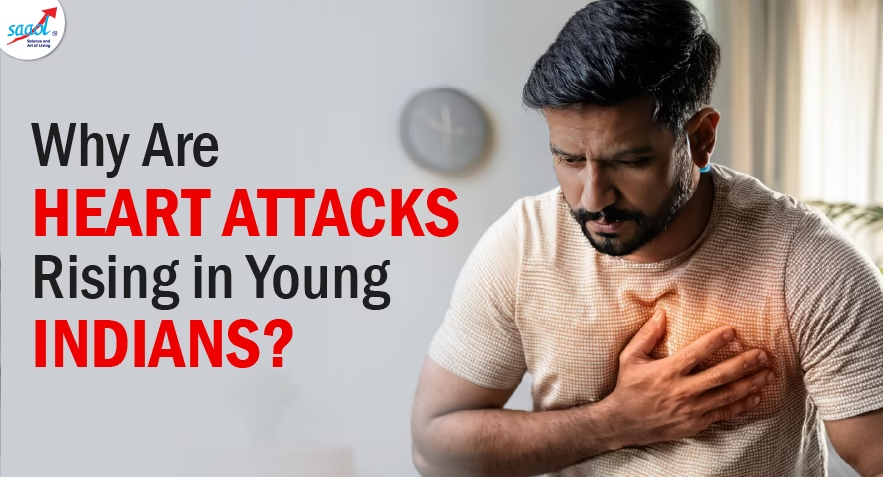
Heart attack at a young age is no longer rare in India. From college students to professionals in their 30s, heart attacks in young people are rising at an alarming rate. Imagine waking up with chest pain at 28, rushing to the emergency room, and hearing the words: “You’ve had a heart attack.” This nightmare is becoming disturbingly common for young Indians. What was once considered an “old person’s disease” is now striking people in their prime, college students, young professionals, and new parents.
Heart attacks in young people have reached such a critical point that one in five patients is now under 40. According to the National Library of Medicine, in 2021, 2,541 individuals aged 18 to 30 lost their lives in India, with half of them being in the 18-45 age group.
Your heart doesn’t care about your age. This blog explores why young Indians are experiencing heart attacks, the warning signs, and how EECP Treatment, a non-invasive therapy, helps young patients avoid surgery while improving heart health.
Heart Attack at a Young Age: What’s Really Happening?
In most cases, a heart attack happens when blood flow to the heart is suddenly blocked, usually due to a clot in one of the coronary arteries. This blockage stops oxygen from reaching the heart muscle and can cause serious damage, or even death of that part of the heart, if not treated quickly.
In younger individuals, this process of a heart attack can be sudden and may occur with fewer or less typical warning signs than in older adults. The medical term for a heart attack is myocardial infarction, but the reality is far more personal.
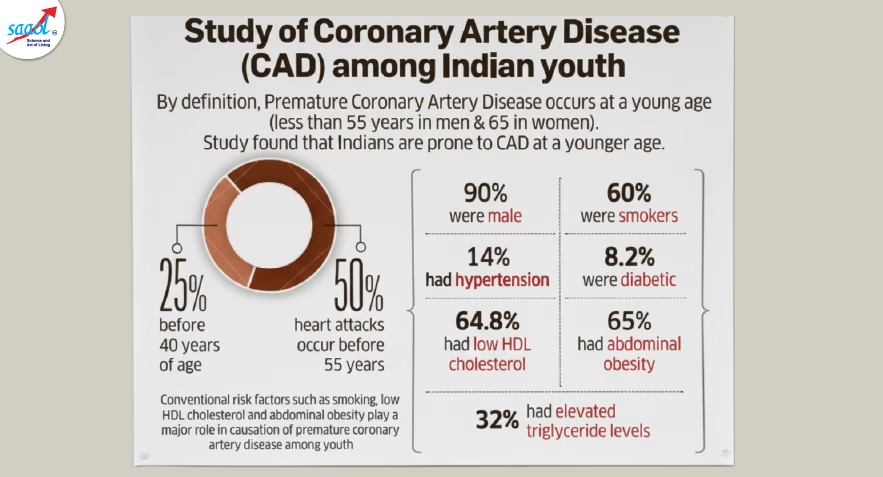
Heart disease is known to occur 5 to 10 years earlier in Indians compared to many other populations around the world, as reported by the Indian Heart Association (IHA) and supported by research from the American College of Cardiology (ACC). This early onset means that while cardiovascular complications are more commonly seen later in life in Western populations, a significant number of Indians face these challenges in their 30s and 40s, according to data from the World Health Organization (WHO).
Main Reasons for Heart Attack at a Young Age
1. Sedentary Lifestyle and Physical Inactivity
The modern workday often means sitting for 8-10 hours, followed by evening hours on the couch scrolling through social media. This inactive lifestyle directly increases the risk of heart disease by lowering heart strength, causing weight gain, and slowing blood flow throughout the body.
2. Poor Dietary Choices
Fast food, packaged snacks, sugary drinks, and unhealthy fats have taken the place of traditional balanced meals. These foods raise bad cholesterol, cause inflammation in the blood vessels, and lead to belly fat, all of which increase the risk of early heart disease and increase the risk of heart attack in young people.
3. Chronic Stress
No one is free from work pressure, financial anxiety, and relationship issues in today’s life. Moreover, in this digital era, constant digital connectivity can create additional stress. High stress levels elevate cortisol, increase blood pressure, and promote inflammation in blood vessels, all contributing significantly to heart problems.
4. Genetic Predisposition
Indians are more likely to develop heart disease because of inherited traits passed down through families. This means they can have a much higher risk, several times more than many other populations, and when this genetic risk combines with today’s unhealthy lifestyle habits, it creates a dangerous situation for heart health.
5. Smoking and Substance Use
Using tobacco harms the blood vessels and speeds up the build-up of fatty deposits in the arteries. Also, drug use is a common cause of heart attacks in young people. E-cigarettes are also dangerous and can damage heart health, even though they are often promoted as safer options.
6. Undiagnosed Health Conditions
Many young adults ignore routine health checkups, leaving hypertension, diabetes, and high cholesterol undetected for years. These are the key contributors to heart attacks in young people. According to the Indian Heart Association, half of all heart attacks in Indian men occur under 50.
7. Use of Unregulated Beauty and Supplementary Medicines
The unsupervised use of beauty-enhancing products and dietary supplements has become a growing reason for heart attack in young age, as many of these contain hidden stimulants or hormones that strain the heart.
When taken in high doses, without medical advice, or by individuals with undiagnosed heart conditions, these substances can disrupt heart rhythm, raise blood pressure, and significantly increase the risk of a heart attack in young people.
Hidden Heart Attack Risks Every Gym-Goer Should Know
Going to the gym is generally beneficial for heart health. But some conditions can quietly increase the risk of serious heart problems, even in young, fit-looking individuals.
Overuse of gym supplements and performance enhancers
Many consume pre-workout powders, fat burners, or muscle-building supplements without being aware of the appropriate dosage or health conditions. Some of them contain high levels of stimulants or undisclosed ingredients that can suddenly strain the heart, especially during intense workouts.
Precaution: Avoid unverified supplements, stick to recommended doses, and consult a doctor before using performance enhancers, especially if you have any medical history
Excessive pre-workout stimulants
Study reveals that high doses of caffeine and other stimulants commonly found in pre-workouts can trigger irregular heartbeats, spike blood pressure, and raise the risk of sudden cardiac events, increasing heart attack risk in young people, particularly when combined with heavy exercise.
Precaution: Limit caffeine intake, avoid stacking multiple stimulant products, and stop use immediately if you experience palpitations, dizziness, or chest discomfort.
Use of anabolic steroids
Anabolic steroids force the body to work hard and for a longer time, causing the heart muscle grow bigger in an unhealthy way, making it harder for the heart to pump blood properly. Over time, this can lead to irregular heartbeats, heart failure, and even sudden death, even in fit young individuals, often without early warning signs.
Precaution: Avoid anabolic steroids entirely unless prescribed for a medical condition, strictly follow correct doses, and seek professional guidance for safe, natural training and recovery methods.
Also read: The warning signs and prevention of heart attacks in your 40’s.
Warning Signs of a Heart Attack in Young Adults
Heart attacks can look different in younger people, and the signs are not always obvious. Along with chest pain, watch out for these symptoms:
- Unusual, ongoing tiredness that doesn’t improve with rest
- Pain or discomfort in the jaw, neck, back, or shoulders
- Sudden shortness of breath, even without heavy activity
- Nausea, vomiting, or a feeling of indigestion
- Feeling dizzy, lightheaded, or faint
- Cold sweats or sudden clamminess
Women with heart attacks at a young age are often less typical. They may experience:
- Extreme or unexplained fatigue
- Stomach pain, nausea, or discomfort instead of chest pain
Note: If any of these symptoms appear suddenly or persist for a longer time, seek medical help immediately, as early treatment can save lives.
How to Prevent Heart Attacks in Young People?
Prioritize Physical Activity
Try for 150 minutes of moderate exercise weekly through brisk walking, cycling, swimming, or dancing. Take a break when sitting for a longer period of time.
Adopt Heart-Healthy Eating
Keep vegetables, fruits, whole grains, lean proteins, and healthy fats as a priority. Limit processed foods, sugary drinks, excessive salt, and trans fats. Traditional Indian diets offer natural heart protection.
Manage Stress Effectively
Practice daily meditation, yoga, deep breathing, or mindfulness. Prioritize 7-9 hours of sleep nightly, maintain strong social connections, and seek professional help for anxiety or depression.
Eliminate Tobacco and Limit Alcohol
Quit all forms of tobacco immediately. If you drink alcohol, do so in strict moderation or eliminate it for optimal heart health.
Schedule Regular Screenings
Establish baseline health metrics by age 20, including blood pressure, cholesterol, blood sugar, and BMI. Those with a family history need more frequent monitoring.
These steps significantly reduce heart attacks in young people.
Why is EECP a revolutionary solution?
EECP (Enhanced External Counterpulsation) is an FDA-approved, non-surgical therapy that improves blood circulation and helps relieve angina symptoms. EECP therapy( natural bypass) offers several benefits, making it an effective treatment option for cardiovascular issues, especially for heart attacks in young people who want to avoid surgery.
Benefits of EECP
- Helps clear plaque buildup from the coronary arteries
- Encourages the natural growth of new blood vessels
- Supports and helps revive heart tissue around damaged areas
- Enhances the heart’s capacity to pump blood more efficiently
- Increases blood flow to the heart and other vital organs by 25% to 50%
- Helps lower blood pressure and supports better blood sugar control
- Leads to noticeable improvement in other related health conditions
- Increases energy & promotes restful sleep
- Build up stamina and endurance
- Simple, safe, and risk-free treatment
- Reduces the chances of heart failure
- Has long-lasting effects for up to 2 years
- Doesn’t impact the patient’s daily-life routine
- An affordable treatment option that does not require surgery or hospital admission
Also read: Why EECP treatment is safer? (in Hindi).
The Bottom Line: Take Action Today
Heart attacks in young people are accelerating, not slowing down. Every day of inaction increases your risk, especially with typical urban Indian lifestyle patterns. Start today by scheduling a comprehensive cardiac screening and knowing your health numbers.
SAAOL Heart Care specializes in comprehensive cardiac solutions for young Indians, combining advanced screening, lifestyle modification programs, and cutting-edge EECP Treatment. Do you want to wait until chest pain sends you to the emergency room?
Contact SAAOL Heart Care today to know more about EECP Treatment and heart health programs designed specifically for young adults.
Book Appointment Call NowFrequently Asked Questions
Q1. Have heart attacks increased since COVID?
Yes. Research supported by the National Institutes of Health (NIH) indicates that the first wave of COVID-19 significantly increased the risk of heart attack, stroke, and death for up to three years following the initial infection. Compared to those never infected, individuals who contracted COVID-19 early in the pandemic faced double the risk of major cardiovascular events. For those with severe cases requiring hospitalisation, the risk was nearly four times higher.
Q2. Why are heart attacks rising in young adults?
Heart attacks in young adults are increasing mainly because of unhealthy lifestyles, not eating healthy, home-cooked foods, eating more junk, oil-fried foods, not doing exercise, smoking, excessive stress, and lack of enough sleep. Other factors can be genetic risk, obesity, diabetes, high blood pressure, and increased use of stimulants or substances.
Q3. Why are young people getting heart attacks after COVID?
Much research shows that COVID-19 has lasting effects on the cardiovascular system also. It can cause inflammation in the arteries, increase the chances of blood clots, and boost blood pressure, raising the risk of heart attacks, especially in people with previously present health conditions like high cholesterol, obesity, high blood pressure, or diabetes that may not yet be diagnosed.
Q4. Can teenagers have heart attacks, and what are the warning signs?
It is shocking to know that teenagers can also experience heart attacks due to congenital defects, genetics, high obesity, or substance abuse. If they experience unusual fatigue during any physical activity, persistent chest discomfort & shortness of breath, or fainting during exercise, these can be considered as warning signs and should be taken to medical supervision.
Q5. Why are so many young adults dying of heart attacks?
Young adults usually do not recognize early warning signs of cardiovascular dysfunction and may delay seeking medical help, because we assume it’s too early to have a heart attack or any cardiac disease at this age. In most cases, ignorance leads to the severity of the condition, and thus, a higher mortality rate occurs.