

Ratan Kumar, 54, woke up at 4 AM with severe chest pain. The same pain he felt before his bypass surgery two years ago. His wife rushed him straight to the hospital.
The doctor’s words hit hard: “Your blockage is back.” Ratan felt scared and helpless. Another surgery? More pain? More time away from work?
Ratan’s situation happens more often than you think. A study indexed in the National Library of Medicine found that graft failure or re-blockage after bypass surgery can occur in 10–50% of cases over the long term.
According to the Journal of Thoracic Disease, nearly 50% of vein grafts placed during bypass surgery may stop working within 5 to 10 years, with 20–40% failing in the first year itself.
Here’s the hard truth about heart blockage after bypass surgery is, the surgery doesn’t always last forever. Many patients face the same problem again. Thanks to non-invasive treatments like EECP in Delhi/NCR, many heart patients are now avoiding a second surgery altogether. Let’s understand why blockages come back and what you can do about it.
The Reality of Bypass Surgery
Bypass surgery is a surgical procedure to bring back blood flow to your heart when arteries get blocked. So what do doctors do? They take a vein from your leg or wrist and attach it to your heart to go around the blockage, like creating a side road.
It’s a major surgery with big risks, and there is always a probability that the new vein can get blocked again.
How Do You Know The Blockage is Back?
Symptoms to Notice:
- Chest pain or pressure – The same heavy feeling you had before surgery, especially during activity or stress
- Shortness of breath – Feeling breathless even with simple tasks like climbing stairs or walking
- Unusual tiredness – Feeling extremely tired without doing much
- Sweating without reason – Cold sweats, especially with chest discomfort
- Pain spreading – Discomfort in your jaw, neck, shoulder, or left arm
- Dizziness – Feeling faint
- Nausea or stomach upset – Feeling sick along with chest discomfort
If symptoms are persistent, understand that your heart isn’t getting enough blood again. The bypass may be failing. Neglecting them only allows the situation to deteriorate.
What should you do?
Rush to a nearby healthcare centre or call an ambulance.
Why Do Heart Blockages Come Back After Bypass Surgery?
Think about it like this. Bypass surgery fixes the blocked pipe, but it doesn’t fix WHY the pipe got blocked.
The real reasons? They’re in our everyday life. The oily, fatty foods we eat, the smoking we can’t stop, sitting for hours without moving, and the tension we feel every day, these things cause the blockage. Day after day, they slowly damaged our heart’s blood vessels.
Bypass surgery stops the chest pain, but it doesn’t change how you live. So, the damage continues.
But there’s more. Many patients also skip their medicines, blood thinners, and cholesterol pills, thinking “I’m cured now.”
Some veins used in bypass surgery are naturally weaker and fail more quickly.
Sometimes, the surgery itself isn’t perfect. All these factors add up.
EECP: A Natural Bypass
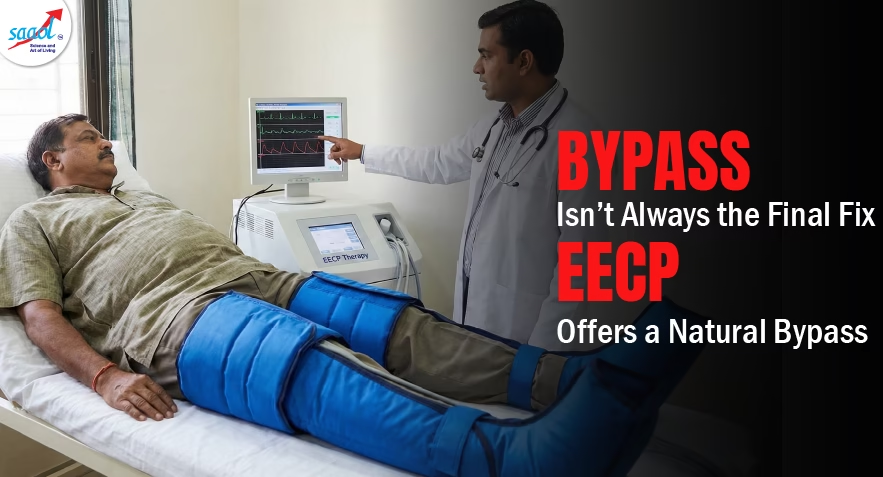
EECP involves lying down comfortably as inflatable cuffs are secured around the legs. They inflate and deflate with your heartbeat, helping increase blood circulation to the heart without any invasive procedure.
Over time, this extra blood flow encourages your body to grow its own new blood vessels around the blockage, acting as a natural bypass.
No cuts, no anaesthesia, no surgery. Just your body healing itself. Each session is just 60 minutes, and the full treatment takes 6-8 weeks.
Dr. Vishal Sharma, COO, Senior Heart Specialist, SAAOL Heartcare Delhi, says:
“EECP gives the heart a second chance; it restores natural blood flow without surgical risk. Many patients experienced increased energy and less chest pain within weeks.”
Why Patients Choose EECP After Bypass Surgery?
When a bypass fails, it’s usually because the root cause was never fixed. It doesn’t just find a way around the “traffic jam” (the blockage). Instead, it helps your body open up thousands of tiny, hidden paths that were already there (angiogenesis). It flushes your whole system with fresh blood, making your entire heart and blood vessels stronger and healthier.
Here is how it helps:
Opens New Blood Vessels Naturally: EECP pushes your body to open up small new blood vessels around the blockage, giving blood a new path to flow. No knife, no surgery.
Your Heart Gets More Blood: The leg cuffs gently push more blood towards your heart. The parts not getting enough blood start getting it again. Your heart slowly gets stronger.
Chest Pain Gets Better: More blood means less pain. Most patients start feeling better within the first few weeks, without any new surgery.
Safe for Everyone: Safe for patients who already had bypass, elderly and diabetic patients too, without further cuts or anaesthesia. It’s FDA-approved and studies suggest it carries minimal risk.
No hospital stay, no long recovery: Patients feel more active and less tired and get back to their normal lives much sooner.
Zero Downtime: You can literally drive yourself to the clinic, have your 60-minute session, and go grab lunch or head to work right after.
At SAAOL Heart Care, Delhi, we combine EECP with a complete heart care programme:
- Zero Oil Cooking: Our special SAAOL diet that stops your arteries from getting damaged further.
- Medical Yoga: Because stress is silently killing your heart, and yoga helps manage it.
- Right Medicines: Carefully planned to support your heart at every step.
- Detox Therapy: Helping your body clean itself from the inside.
- Lifestyle Changes: Simple, practical habits that your heart will thank you for.
This complete approach does more than just reduce symptoms. It works to help reverse heart disease from the root, something that bypass surgery alone may not fully address.
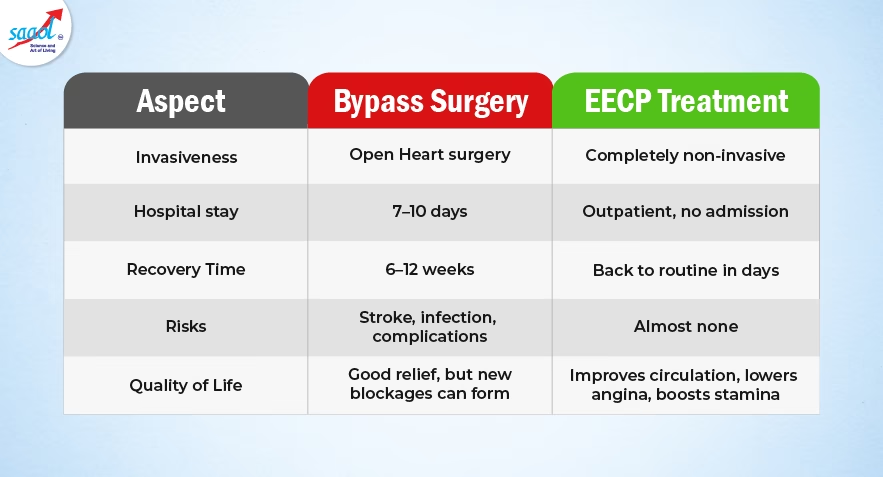
EECP vs. Bypass: The Comparison
Now, let’s understand why more and more heart patients are choosing EECP and why it simply makes more sense.
Let’s look at a simple comparison to see how they differ:
Who Can Benefit From EECP After Bypass Surgery?
This is for you if:
- The pain is back: You still get chest pain or feel heavy in the chest even after your surgery.
- You’re tired of surgery: You simply don’t want to go through the pain and long recovery of another operation.
- Other health issues: You have diabetes or are older, and doctors say a second surgery might be too risky for you.
- Medicine isn’t enough: You’re taking your pills, but you still feel breathless or tired all the time.
- You want your life back: You want to walk, play with your grandkids, or go to work without worrying about your heart every minute.
The Bottom Line
Heart blockage after bypass surgery is overwhelming, but now going under the knife is no longer necessary. EECP is FDA-approved and supported by more than 200 clinical studies. Organizations like the American Heart Association acknowledge its benefits, even for patients who have already had a bypass and are seeking a non-invasive way to improve their heart health.
If you or someone you love is dealing with chest pain even after bypass, book an appointment with SAAOL heart experts TODAY!
FAQs
Q1. Why do arteries Block Again After Bypass?
Bypass surgery fixes the blocked artery, but it does not cure the disease that caused the blockage in the first place. The same disease is still living inside your body. Over time, fat and plaque slowly build up inside the new graft too, just like it did in your original artery. And slowly, it blocks again.
Q2. What are the side effects of bypass surgery?
A: Bypass surgery comes with real risks. Here’s what patients commonly experience:
Common Side Effects:
- Pain, fatigue and slow recovery
- Irregular heartbeat
- Memory loss or confusion
- Anxiety and depression
- Wound infection
Serious Side Effects:
- Stroke or heart attack
- Kidney problems
- Breathing trouble
- Heavy bleeding
Q3. Can I still have a heart attack after bypass surgery?
Yes, you can. Bypass surgery improves blood flow but doesn’t make you fully safe from a heart attack.
Here’s why:
- The original disease is still in your body
- New blockages can form in other arteries
- The bypass graft can slowly narrow and fail
- Poor diet, stress, and bad habits continue to damage the heart
Bypass surgery reduces your risk, but it doesn’t remove it. Many patients feel cured after surgery and go back to their old habits. That’s where the real danger lies.
Q4. What is a coronary artery bypass graft?
Your heart needs blood to work. It gets this blood through pipes called arteries. When these arteries get blocked, blood can’t reach the heart properly. This causes chest pain and can lead to a heart attack.
Coronary artery bypass graft, or simply bypass surgery, is a procedure to fix this problem.
Doctors open your chest, take a healthy vein from your leg or chest, and attach it around the blockage, creating a new path for blood to flow. The whole procedure takes 3-6 hours under full anaesthesia.
Q5: Is lifestyle management important after bypass surgery?
Absolutely. Eating healthy, exercising regularly, quitting smoking, and managing stress are all very important steps to follow after bypass surgery. Making these lifestyle changes not only helps your heart recover faster but also reduces the risk of future blockages and keeps your heart strong and healthy in the long run.
Q6. Is EECP an alternative to bypass surgery?
At SAAOL, we view EECP not just as an alternative, but as a preferred first step. Unlike bypass surgery, which is invasive and carries a long recovery time, EECP therapy is an outpatient procedure with zero downtime. When integrated with a zero-oil diet and yoga, EECP helps patients ‘bypass the bypass’ by naturally improving the heart’s pumping capacity and blood supply. It is an ideal solution for those who are not fit for surgery or simply wish to explore a safer, holistic path to recovery.