

TL;DR
Chest pain is often mistaken for acidity or indigestion, but frequent or severe pain could be heart-related. Cardiac and non-cardiac chest pain (heart pain) feel similar because the heart and the food pipe share nerve pathways. Knowing the difference, understanding risk factors, and acting quickly during the golden hour can save lives. Non-invasive treatments like EECP therapy can help reduce cardiac chest pain by improving blood flow and heart function.
Chest pain or pain near the heart area, like a sharp poke in the ribs or tightness around the upper chest, is most common after a heavy meal or sometimes when you are on an empty stomach. Isn’t it so familiar to many of us in our day-to-day life? And they‘re often concluded as acid reflux or indigestion. We drink water or take some antacid, and if it subsides after some time, we forget about it after some time, and it continues.
Generally, it’s not always concerning, but what if you’re experiencing it frequently, and it’s actually something else? Like a heart problem? Now, I am sure many questions will pop up in your mind, such as how true they are, how to differentiate them, or what to do in that moment, and so on. Am I right?
In this comprehensive guide, “How do I know if chest pain is actually a heart problem?”, we’ll talk about cardiac and non-cardiac chest pain. We’ll also discuss a holistic and sustainable non-invasive heart treatment, named EECP Therapy, founded by Dr. Bimal Chhajer. Let’s get started!
What is Chest Pain?
Chest pain is a feeling of pressure, tightness, burning, or discomfort in the chest. It can be sharp or dull and may spread to the arm, neck, or back. Some people feel it suddenly, while others feel it slowly build up over time.
Chest pain should never be ignored, especially if it keeps coming back or feels different from usual. Paying attention to your body and seeking medical help on time can prevent serious health problems and save lives.
Causes of Chest Pain
Chest pain can happen for many reasons. It may be caused by acidity, gas, muscle strain, stress, or lung problems. Among them, acidity and gas are the most common and can be taken care of easily. But sometimes it happens when the heart does not get enough oxygen-rich blood, which can be serious. That is why chest pain that happens often or feels unusual should always be checked by a doctor.
How do I determine if my chest pain is a symptom of a heart problem?
There are different non-cardiac reasons for chest pain, like heartburn, GERD, other digestive issues, joint or muscle pain around the chest area, respiratory discomfort, stress, anxiety, or a panic attack.
Why do cardiac and non-cardiac chest pain feel the same?
It might seem strange that a heart problem can feel like a bad case of heartburn or GERD, but there’s a simple biological reason for it.
The heart and the food pipe are neighbours in your chest. Inside your chest, your heart and your food pipe (the esophagus) live right next door to each other. They actually share the same connection to the brain. When something goes wrong in that area, the nerves send a signal to the brain, but your brain can’t always tell who sent it, the food pipe or the heart. It just knows something is “hurting in the chest,” which is why a bad case of gas can feel like a life-threatening emergency, and vice versa.
Sometimes, due to over-exercise, heavy lifting, or strenuous physical activity, pain surrounding the chest can occur, which again can feel like heart pain. But usually, they are not persistent or intense with time and go off within a few hours or days.
Panic attack due to anxiety and any other emotional stress leads to chest tightness or abnormal heartbeat, pressure on the chest, which can be highly misinterpreted as a cardiac symptom. But again, they subsided with the moment normalizes.
According to the Cleveland Clinic, acid reflux (GERD) is the most common condition of non-cardiac chest pain. We’ll take a deeper look at it here.
Common symptoms of GERD are:
- A burning pain in the chest after a meal or at night
- Sour or bitter-taste in the mouth
- Pain in the upper abdominal area, bloating, indigestion, or a feeling of fullness
- Nausea, especially after a meal
- Belching or burping after eating
- Poor sleep at night due to the symptoms
- Frequent hiccups
- Increased dental cavities or bad breath from acid formation
- Chronic cough or frequent throat clearing
- Tightness in the throat
What causes GERD?
When the digestive acid in the stomach reaches the food pipe, it causes the burning feeling called heartburn. Frequent heartburn leads to GERD. Let’s have a look at the common causes why the acid reaches the food pipe.
- Overeating: Eating a larger quantity of food at a time or more regularly than normal can cause strain to your stomach and cause acid reflux.
- Eating spicy foods: Eating spicy foods slows down the digestion process, producing more acid.
- Acidic foods: Sometimes, more acidic foods (citrus fruits, vinegar, tomatoes) can also irritate the food pipe.
- The Relaxers: Relaxers like alcohol, chocolates, and coffee relax the muscle, relaxing the opening valve so it does not close, and cause acid reflux.
- Additional pressure: Increased inner pressure due to being overweight, pregnancy, or wearing tight clothes can push acids to the throat.
- The wrong posture: Acid goes down when the body is upright. Immediately lying down after a heavy meal alters the gravity, hence tilting the acid sideways.
- Smoking: Smoking makes the inner wall dry, which lowers the acid-neutralizing capacity of the body.
Other digestive causes of non-cardiac chest pain
- Hiatal hernia (a part of the stomach moves towards the chest)
- Esophagitis (inflammation of the esophagus)
- Peptic ulcers
- Gallstones that block the bile ducts
Respiratory triggers
- Infections like bronchitis and pneumonia
- Chronic conditions like COPD
- Acute emergencies, such as a collapsed lung
Common cardiac symptoms
Several cardiovascular symptoms can cause cardiac chest pain. Let’s list them down.
The Primary Chest Pain
Pressure and Squeezing:
- The chest feels like someone is sitting on it or squeezing it tight, not a sharp poke.
- The pressure feels deep inside your chest, behind the breastbone, and makes breathing uncomfortable
Tightness and Fullness:
- The chest feels uncomfortably tight, like wearing a tight cloth.
- The tightness doesn’t go away when you change positions.
Burning Sensation:
- Sometimes it feels like burning in the middle of your chest, often confused with heartburn.
- This burning is more intense than regular indigestion, sometimes with that pressure feeling, making it worse.
Associated symptoms of cardiac chest pain
Heart attack pain often radiates beyond the chest to the left arm, jaw, neck, back, or stomach, causing numbness, weakness, or crushing sensations. Breathing becomes tough, like suffocating or gasping after running.
Feeling cold with sweating might happen at the same time, while nausea strikes suddenly. Dizziness, extreme fatigue, faster heartbeat, and an overwhelming sense of anxiety accompany these symptoms. These symptoms signal a medical emergency requiring immediate attention.
Main Causes of Cardiac Chest Pain
Coronary Artery Disease (Most Common)
Fatty deposits (plaque) build up inside blood vessels, narrowing them and reducing blood flow to your heart muscle. They can lead to angina (chest pain during activity).
Heart Attack
When plaque bursts and forms a blood clot that completely blocks an artery. The blood supply stops to part of the heart muscle. This is a medical emergency.
Other Cardiac Causes are-
- Myocarditis: inflammation of your heart muscle
- Pericarditis: inflammation of the protective sac surrounding your heart
- Aortic dissection: a dangerous tear in your heart’s main artery
- Angina: temporary tightening of the arteries supplying blood to your heart
Also read: How to avoid heart disease.
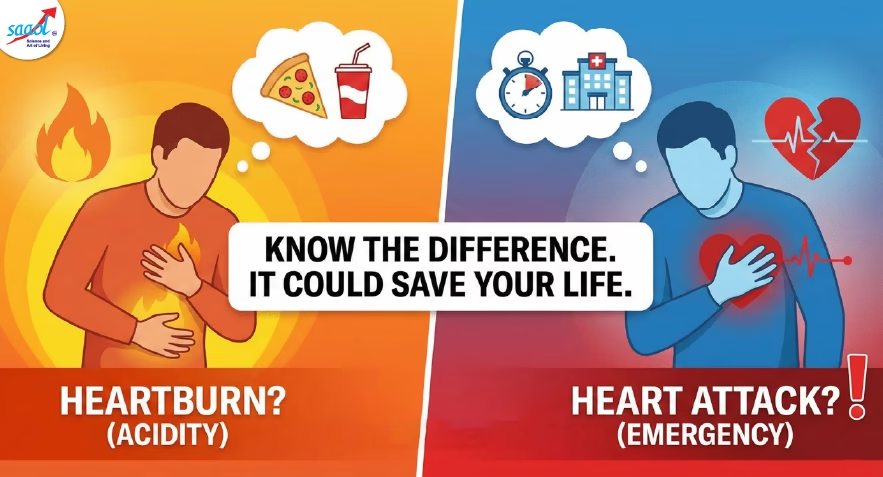
Differences Between a Heartburn & a Heart Attack
| Feature | Cardiac Chest Pain | Non-Cardiac Chest Pain |
| Pain Quality | Pressure, squeezing, heaviness, tightness | Sharp, stabbing, burning, or aching |
| Pain Location | Center or left chest may radiate to arms, jaw, and back | A specific point may change with position |
| Duration | Several minutes to hours may come and go | Seconds to hours, often brief or prolonged |
| Triggers | Physical exertion, stress, cold weather, heavy meals | Movement, breathing, eating, and body position |
| Associated Symptoms | Sweating, nausea, shortness of breath, dizziness | Varies by cause: belching, cough, tenderness |
| Response to Pressure | Not affected by pressing on the chest | Often worsens when pressing on the affected area |
| Breathing Impact | May cause shortness of breath | Often worsens with deep breathing or coughing |
Who is more at risk of having chest pain related to the heart?
Some people have a higher risk of chest pain caused by heart problems. This includes older adults, people with high blood pressure, diabetes, high cholesterol, or a family history of heart disease. Smokers, people who are overweight, and those who do not exercise regularly should also be more careful.
What is The Golden Hour?
The golden hour is the first hour after serious chest pain begins. During this time, the heart muscle is not getting enough oxygen, and damage starts quickly. The faster medical treatment begins, the more heart muscle can be saved. According to a study published in the International Journal of Medicine, with 200 patients, 58.5% were unaware of the seriousness of the golden hour, highlighting a significant gap in awareness about timely medical care
How EECP Therapy Helps Reduce Cardiac Chest Pain?
Often called a “natural bypass,” EECP (Enhanced External Counterpulsation) is an FDA-approved, non-invasive treatment that boosts blood flow and helps reduce angina symptoms.
EECP is highly effective in reducing cardiac chest pain (angina), which occurs when blood flow to the heart is reduced. It works by improving circulation and encouraging the development of new small blood vessels, allowing more oxygen-rich blood to reach the heart. This helps reduce chest pain and improve heart function.
The Bottom Line
Hope you found this article helpful. Chest pain can be a confusing “false alarm” from a spicy dinner or a serious SOS from your heart. Because the symptoms overlap so much, the safest move is to always trust your intuition over a Google search. Remember, if chest pain is persistent and accompanied by arm or back pain, shortness of breath, and sweating, seek medical help immediately.
Let us know your take on this topic in the comments section. If you have questions or additional information about chest pain symptoms, we’d love to hear from you. You can also ask us about treatment options like EECP (Enhanced External Counterpulsation) and how it may help heart health.
Take the first step toward better care. Reach out to us today or book a consultation to learn more.
Book Appointment Call NowFrequently Asked Questions
Q1. How can I tell if chest pain is heart-related or due to acidity?
Heart-related chest pain often feels like pressure, tightness, or heaviness and may spread to the arm, jaw, or back. Acidity usually causes a burning sensation linked to meals and improves with antacids.
Q2. When should I go for medical guidance for chest pain?
Seek immediate medical help if chest pain is severe, lasts more than a few minutes, keeps coming back, or is accompanied by sweating, shortness of breath, dizziness, or nausea.
Q3. What is the golden hour in heart problems?
The golden hour is the first 60 minutes after chest pain or heart attack symptoms begin. Getting treatment during this time greatly reduces heart damage and improves survival.
Q4. Who is more at risk of cardiac chest pain?
Older adults, smokers, people with high blood pressure, diabetes, high cholesterol, obesity, or a family history of heart disease are at higher risk.
Q5. How does EECP therapy help with cardiac chest pain?
EECP improves blood flow to the heart and helps develop new small blood vessels. This allows more oxygen to reach the heart muscle, reducing angina and improving heart function without surgery.