
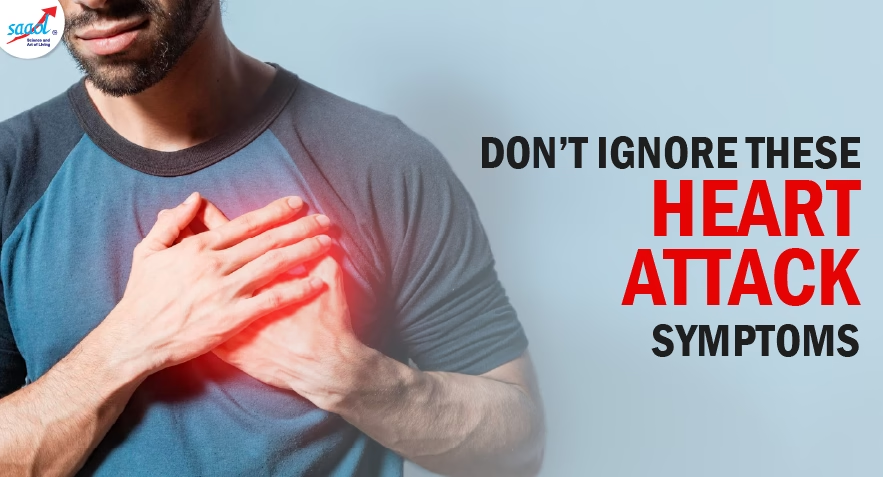
A heart attack rarely hits without warning. We just don’t listen.
A heart attack is often thought of as a sudden and dramatic event, where someone clutches his or her chest and falls to the ground. But in real life, most patients do not suddenly collapse. They feel warning signals hours and even days or weeks before the major attack.
The real tragedy is not that a heart attack finds us. The tragedy is that people tend to dismiss the symptoms ahead of a heart attack, believing it is stomach acidity, stress, or fatigue.
With the help of this guide, you can compare heart attack signs and symptoms with myocardial infarction symptoms easily. It may help you save a life, maybe your own or someone close to you.
What is a Heart Attack?
A heart attack (also known as a myocardial infarction) occurs when blood flow to the heart is abruptly cut off by a blocked artery. As the blood stops flowing, heart muscles begin to die.
Your heart tries to warn you before it is damaged permanently. These warning signs are your chance to survive.
Major Heart Attack Symptoms
Here are the most prevalent and dangerous symptoms you should never ignore:
Chest Pain or Pressure
It may feel like:
- Tightness
- Burning
- Squeezing
- Oppression of the chest by a heavy weight
This pain tends to last more than a few minutes, and it may come and go.
Pain that Spreads to Arms, Jaw, Neck, or Back
Pain in the heart doesn’t always remain in the chest. It can spread to:
- Left arm (most common)
- Both arms
- Jaw or teeth
- Upper back
- Shoulder blades
This is one of the most reliable myocardial infarction symptoms.
Shortness of Breath
A person may feel:
- Difficulty breathing
- Sudden choking feeling
- Heavy breath without much activity
This occurs when the heart has difficulty pumping blood.
Excessive Sweating
Sweating suddenly without exercise is a red alert. This is often described as cold sweat.
Nausea, Indigestion, and Vomiting
This makes many patients think that it is just acidity or gas. But persistent heartburn with a sour taste in the mouth and pain in the chest is possibly a heart attack.
Dizziness or Fainting
Less blood reaches the brain, resulting in sudden weakness, dizziness, or blackouts.
Unexplained Fatigue
Fatigue that is:
- Sudden
- Persistent
- Worse with activity
It is frequently overlooked, particularly in women and those with diabetes.
Mild Heart Attack Symptoms
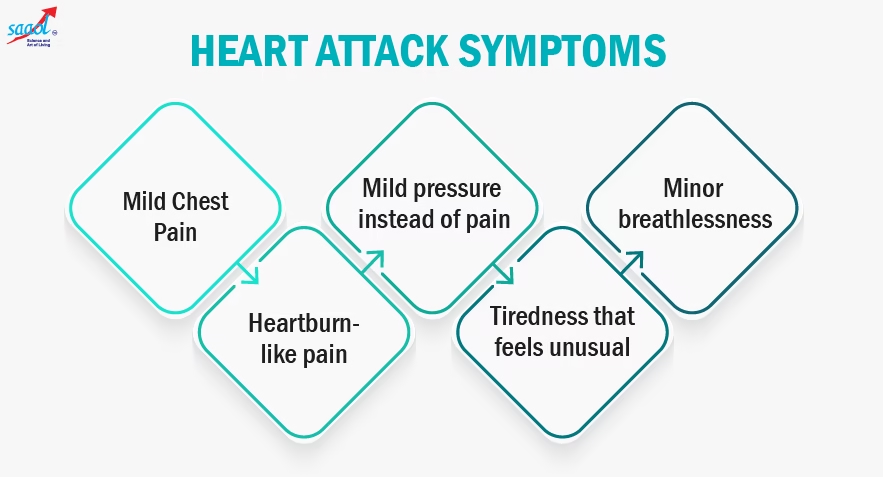
Symptoms of a mild or smaller heart attack vary. They include:
- Mild chest pain, which subsides after a few minutes
- Heartburn-like pain
- Mild pressure instead of pain
- Tiredness that feels unusual
- Minor breathlessness
It’s easy to ignore these signs, but they can injure the heart.
Silent Heart Attacks
In a Silent Heart attack, not everyone feels pain. Especially:
- Diabetics
- Elderly people
- Women
They may only feel:
- Fatigue
- Breathlessness
- Mild indigestion
- Light-headedness
These strikes are known as a silent myocardial infarction, and they’re just as risky.
Post Heart Attack Symptoms: What Happens After the Attack?
Symptoms don’t vanish altogether after a heart attack. Some symptoms are seen in the recovery phase:
- Persistent fatigue
- Irregular heartbeat
- Swelling in the legs or feet
- Breathlessness on light activity
- Low stamina
It is important to keep an eye on these post-heart attack symptoms to prevent a recurring attack.
Can a Child Have a Heart Attack?
Heart attacks are rare in children, but not unheard of. Reasons may include:
- Congenital heart defects
- Severe obesity
- High cholesterol from an early age
- Inflammation from infections (such as viral myocarditis)
Medical attention should be sought immediately for a child with severe or chronic chest pain accompanied by shortness of breath.
This addresses one common question: can a child have a heart attack?
Yes, but only in limited circumstances and when medically serious.
Who Is at Higher Heart Attack Risk?
You are at increased heart attack risk if you have:
- High cholesterol
- Diabetes
- Obesity
- Family history of heart disease
- Smoking habit
- High-stress lifestyle
- Sedentary routine
What to Do If You See Heart Attack Symptoms
Immediate Actions
- Stop all physical activity.
- Sit comfortably with back support.
- If recommended by a doctor in the past, yes, take an aspirin.
- Do not lie flat.
- Call the Emergency service or the hospital immediately.
How SAAOL Heartcare Delhi helps Heart patients
At SAAOL Heartcare Delhi, our approach towards a healthy heart is non-invasive and lifestyle-driven driven especially after recognising symptoms of a heart attack early.
EECP Treatment
A US-FDA-approved therapy that:
- Improves blood circulation
- Reduces blockage naturally
- Prevents future attacks
- Helps patients exercise safely again
Diet Consultations
Custom diet plans by the expert dieticians led by head nutritionist Garima Arora to drop cholesterol and inflammation through precision nutrition.
SAAOL Detox Therapy
Gets rid of toxins and lowers the inflammation in the arteries, thus improving heart performance.
Lifestyle & Stress Management
We teach safe exercises, zero oil cooking and heart-healthy habits for lifelong protection.
Click here to get your heart attack risk assessment and personal diet plan.
Conclusion
Recognising heart attack symptoms early gives life a second chance. A few minutes of awareness can prevent years of regret. Never ignore unusual discomfort, fatigue, or chest pressure. Your heart talks. Listen to it.
FAQs on Heart Attack Symptoms
- What are the early signs of a heart attack?
Chest pressure, unusual fatigue, breathlessness, cold sweat, and radiating pain are common early signs.
- What are mild heart attack symptoms?
Mild chest discomfort, gastric pain, slight breathlessness, and sudden fatigue.
- Can a child have a heart attack?
Yes, but in rare cases due to congenital issues or severe risk conditions.
- What symptoms appear after a heart attack?
Irregular heartbeat, swelling in the legs, breathlessness, fatigue, and poor stamina are common post-heart attack symptoms.
- How do I know if my chest pain is heart-related?
If it feels heavy, spreads to arms or jaw, lasts for minutes, or comes with sweating and breathlessness, seek medical help.