

You’ve had a headache for three days, but an important presentation is due. So you ignore it and keep working. On the third day, you suddenly faint in the office. Later, the doctor tells you that you had a mild heart attack caused by stress. Yes, this can happen to anyone, at any age.
Heart attack due to stress? Yes. Many people ignore stress, thinking it’s just part of life, but constant physical and mental stress can quietly harm the heart. It can even cause a heart attack. Most people think blocked arteries, high cholesterol, or an unhealthy lifestyle cause heart attacks. But emotional stress, intense fear, anger, shock, grief, or chronic anxiety may trigger a heart attack in healthy, young people who do not have any heart blockage.
Stress is like the new tobacco nowadays and can be dangerous over time. In this blog, we explain in simple words how stress affects the heart and how to protect it. We will also explain the EECP therapy associated with stress management to cope with heart attacks due to stress and overall well-being.
What is Stress?
Stress is a common experience for everyone. It is the body’s emotional and physical reaction to challenging situations. During stress, you may feel excited, angry, worried, sad, weak, or tired. Stress can come from many sources, such as work pressure, studies, relationships, health problems, or sudden life changes.
Scientifically, stress occurs when your brain perceives pressure or danger and prepares your body to respond. While a small amount of stress is often short-term and can positively support you, helping you work more efficiently, long-term or excessive stress can harm both your physical and mental health. A study published in the Archives of Cardiovascular Diseases shows that mental stress can contribute to CAD (coronary artery disease) and can make the condition worse.
Causes of Stress
Stress is something everyone experiences at some point in life, whether we notice it or not. Before understanding how stress affects the heart, it’s important to know what commonly causes stress in everyday life.
Major life changes: Both bad events and good events cause stress as they require a lot of energy to adapt to the situation. Good events can be getting a good job or promotion, or travelling to a new place. Meeting someone new, etc., and bad events could be a breakup, the death of someone closer, leaving a long-term place or people, etc.
Family Problems – Arguments with family members at home, relatives’ involvement, or family financial troubles can worry you and may put you under stress.
Internal Mindset: Stress often comes from within, such as strong ambitions, overthinking, etc.
Daily Events: Daily triggers like heavy traffic, workplace deadlines, and managing the home are the most common sources of daily tension. Most of them are short-term but have a higher chance of converting to long-term.
Digital Overload – Too much screen time, social media comparisons, and online distractions can affect your sleep and mental peace.
When you are under stress, you may feel worried, angry, restless, or overwhelmed. If stress becomes severe or long-lasting, it can cause headaches, poor sleep, a fast or irregular heartbeat, chest tightness, high blood pressure, and increase the risk of heart problems.
Types of Stress
We can differentiate stress into categories.
- Acute Stress that is short-term and can go away once the situation is over.
- Chronic Stress lasts for a longer time and can cause physical harm if not managed promptly.
- Physical stress occurs due to any health issues, sleep deprivation, stressful activities,
- Mental/emotional stress is the feeling of fear, anger, grief, or anxiety, and it can deeply affect both the mind and heart.
What happens inside the Body During Stress?
When you are stressed, your brain thinks something is wrong and creates a high alert (stress response system). Getting this alert, your body releases stress hormones like Adrenaline and cortisol to fight the situation, and this makes you feel tense, restless, and uneasy. Reactions vary with individuals. You are tense. You may have fast breathing or shortness of breath, you feel over conscious, you feel exhausted, and time seems lengthy. These feelings are short-term and usually do not have any harmful effects on the body. But if this response happens too often or for a long time, it can disturb the body’s normal balance and lead to harmful physical reactions.
The Science Behind A Heart Attack Due to Stress
When your body experiences stress, it goes into flight and fight response. The brain releases stress hormones, mainly Adrenaline and cortisol. These hormones increase heart rate and blood pressure and cause blood vessels to tighten. Over time, this can damage the inner lining of blood vessels and cause plaques in the arteries to burst, leading to a blood clot that blocks blood flow to the heart, resulting in a heart attack.
Below are the events that can happen inside your body when you are under stress:
Sudden rise in heart rate and blood pressure
When you’re stressed, your heart starts beating faster and your blood pressure shoots up. This sudden strain puts extra pressure on your heart and blood vessels.
Coronary artery spasm
Strong emotions like anger, fear, or shock can cause the heart’s arteries to suddenly tighten. Even if there’s no blockage, this tightening can reduce blood flow to the heart and trigger chest pain or even a heart attack.
Increased blood clotting
Stress hormones can make your blood thicker and stickier. This makes blood cells clump together more easily, increasing the chances of a clot forming.
Inflammation in the arteries
Long-term stress damages the inner lining of the arteries, making them more likely to develop plaque or suddenly rupture. According to PubMed, chronic stress can cause atherosclerosis increasing the risk of a heart attack.
Stress cardiomyopathy (Takotsubo cardiomyopathy or Broken Heart Syndrome)
When someone is in extreme emotional stress and is in grief, shock, or intense fear, it temporarily weakens the heart muscle. This condition, called broken heart syndrome or stress cardiomyopathy, looks and feels like a heart attack and causes severe chest pain.
Broken heart syndrome can temporarily affect the heart by reducing blood flow or disturbing how heart cells work. This can make the heart beat poorly for a short time, but the good news is that the heart usually recovers completely within a few days or weeks.
Who is Most at Risk?
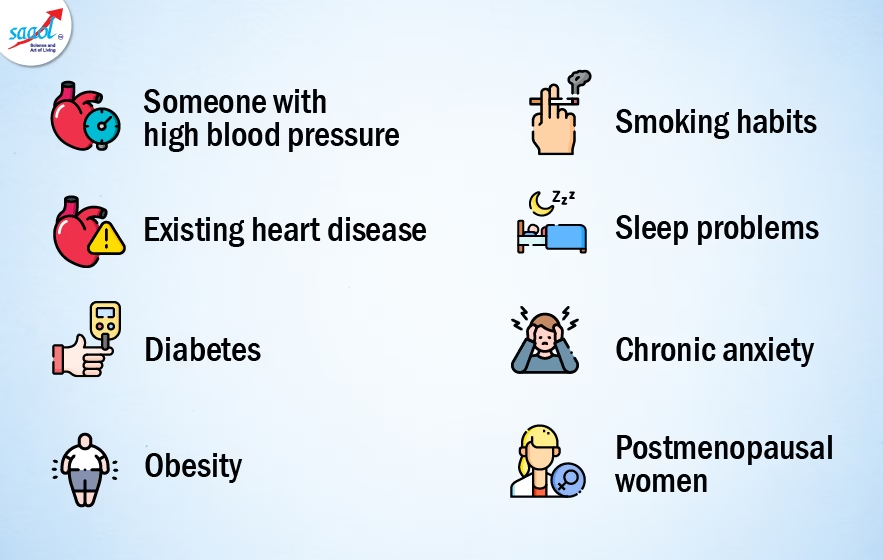
- Someone with high blood pressure
- Existing heart disease
- Diabetes
- Obesity
- Smoking habits
- Sleep problems
- Chronic anxiety
- Postmenopausal women
What are the Warning Signs of a Heart Attack due to Stress?
Here are the warning signs you should watch for and act on immediately:
Tightness in the Chest – You feel like there’s a heavy weight pressing on your chest, making it uncomfortable to breathe normally. This happens when your muscles tighten when you are under stress.
Jaw or Arm Pain – Stress can make you clench your teeth without realizing it, causing your jaw to hurt. Sometimes you get pains in your arms and shoulders due to stress, making them feel sore and achy.
Shortness of Breath – When you’re stressed, you might feel like you can’t get enough air or your breathing becomes quick and shallow. It’s your body’s panic response. You often feel like it’s difficult to stand.
Sudden Dizziness – You may feel lightheaded or like the room is spinning, especially when stress becomes too much. This happens because stress affects your blood flow and can make you feel unsteady.
Nausea – Stress can upset your stomach, making you feel sick or like you want to throw up. Your digestive system slows down when you’re anxious, causing that queasy feeling.
Constant worry: You feel constant worry and an abnormal heartbeat, with no hunger or sleep for days or weeks*.
*Symptoms may vary from person to person.
How to Prevent Yourself from Stress?
Stress involves multiple organs in our body. However, by adopting several lifestyle management strategies, we can effectively prevent and control stress. Here’s a simple guide covering different areas you need to focus on to keep stress at bay.
- Physical activity – Go for a regular physical activity, like walking, jogging, or playing sports. These help release good hormones and make your heart stronger.
- Meditation and Mindfulness – Taking a few quiet minutes to sit peacefully, focus on your thoughts, or practice mindfulness helps your brain to stay present and not worry
- Breathing Exercises – Proper deep breathing techniques can instantly relax your body. It sends oxygen to your brain and helps your body not stress.
- Enough Sleep – Getting 8-9 hours of quality sleep every night is crucial, and it allows your body and mind to rest and recharge.
- Quality & Fun- time- Watching funny movies and videos, spending time with friends, or doing things you enjoy releases stress and boosts your mood. Laughter truly is the best medicine that provides a healthier mind.
- Listening to Music – Playing your favourite songs can soothe your emotions and distract you from stressful thoughts. Music has a magical way of lifting your spirits and helping you relax.
- Reducing Caffeine and Alcohol – Avoiding too much coffee, energy drinks, or any alcohol helps keep your nervous system calm. These substances can make anxiety worse and disturb your sleep patterns.
- Manage your time wisely – Plan your day, prioritize tasks. In short, keep yourself disciplined to avoid getting stressed for not getting things done on time.
- Pursue your hobbies – Engaging in painting, dancing, reading, gardening, or any activity you love gives your mind a healthy break. Creative outlets help express emotions you might struggle to put into words.
- Eat a balanced diet – Eating nutritious meals with fruits, vegetables, and whole grains keeps your energy stable and your mood balanced. Junk food and skipping meals can make you feel sluggish and stressed.
- Limiting Screen Time – Nowadays, in this digital world, we get unnecessary stress from social media by looking into others’ lives showcased. Limit screen time or avoid overthinking. It helps keep you stress-free.
- Seek Expert Help – Reach out to parents, teachers, counsellors, or doctors when stress feels too big to handle alone.
- Heart Checkups – Regular health checkups are mandatory to ensure your physical health is monitored. Taking care of your body helps manage stress better.
Role of Lifestyle Management in Stress-Induced Heart Attack
Managing stress is not about one big change. It’s about small daily habits that are truly essential for a healthier mind and body. A healthy lifestyle plays a key role in reducing stress and lowering the risk of stress-induced heart problems. It lowers the stress chemicals in the body and increases the feel-good hormones. That’s how the body stays balanced and calm. When stress feels too heavy, seeking expert help and regular heart checkups are important.
Saaol Heart Center, Delhi, provides you with a comprehensive lifestyle management program, which includes guided stress management. This holistic support of nurturing mental and emotional well-being helps you understand your stress, manage it better, and make small, practical changes that actually fit into real life.
SAAOL was founded by Dr. Bimal Chhajer, a former AIIMS cardiologist with over 30 years of experience in non-surgical heart care. SAAOL focuses on treating the root cause of heart disease using simple, natural methods such as:
- EECP Therapy – A painless, non-surgical treatment that improves blood flow to the heart
- Zero Oil Cooking Diet – A plant-based, oil-free diet to detoxify the arteries
- Saaol Detox Therapy – Helps remove toxins from the body
Together, these approaches not only prevent heart attacks due to stress but also support long-term heart health and better quality of life in a natural, non-surgical way.
The Bottom Line
Hope you found this article helpful. The mind and heart are deeply connected, and when emotions overwhelm the body, the heart pays the price. According to Dr. Bimal Chhajer from Saaol, “Stress is the biggest cause of heart disease”. It is so because sudden stress can cause a heart attack even in young, healthy people without blocked arteries. Always take symptoms seriously, even if they seem mild or related to stress.
Consult a medical practitioner if you’ve noticed warning signs during stressful times or have concerns about your heart health. And if you’d like safe, sustainable, non-surgical support, feel free to connect with SAAOL to learn how EECP therapy and stress management can help you feel better and take care of your heart.
FAQs
Q1. Can stress cause a heart attack during sleep?
People who are very stressed or anxious may experience sudden changes in their heart rhythm or blood pressure at night, which may cause a heart attack.
Q2: How long does a “stress-induced” heart attack last?
The event lasts until medical guidance is provided or the spasm goes off, but the symptoms can last from a few minutes to several hours. Even if pain goes away, it is critical to seek medical help immediately, as damage can still be occurring
Q3. Does emotional stress affect the heart more than physical stress?
Yes. Most physical stresses is temporary and short-lived and goes away as the situation is over. But the emotional stress can sometimes be more harmful because it lasts longer, and it keeps the body in a constant alert state, putting continuous strain on the heart.
Q4. Can stress cause a heart attack without blocked arteries?
Yes, stress can cause a heart attack even without blocked arteries. When blood clots in the inner walls of artery or any spasm occurs, or someone has broken heart syndrome, the arteries get blocked, even in those who do not have any prior blockage.
Q5. Does stress management alone reduce heart attack risk?
No. It can’t. Stress Management, Diet, Physical Activity, and Medical Monitoring. These are the four legs of stress management and have an important role in preventing the risk of heart attack, but it is always advisable to opt for a healthy lifestyle alongside regular health check-ups.