

If someone told you that you have a “big heart,” you’d probably smile and take it as a compliment.
But if a doctor says you have a big heart, it’s something very different, and it’s definitely not a reason to be happy.
Medically, this is a heart-related condition called cardiomegaly, in which the heart becomes enlarged due to pre-existing health issues.
Many people ignore symptoms like fatigue or breathlessness, assuming it’s just tiredness, but sometimes, these symptoms could point to cardiomegaly. According to the National Library of Medicine, it is becoming more common and carries a high mortality.
In this blog, you’ll learn more about a large heart, its causes, enlarged heart symptoms and treatment options. So you can understand it better and take action at the right time.
What Is Cardiomegaly?
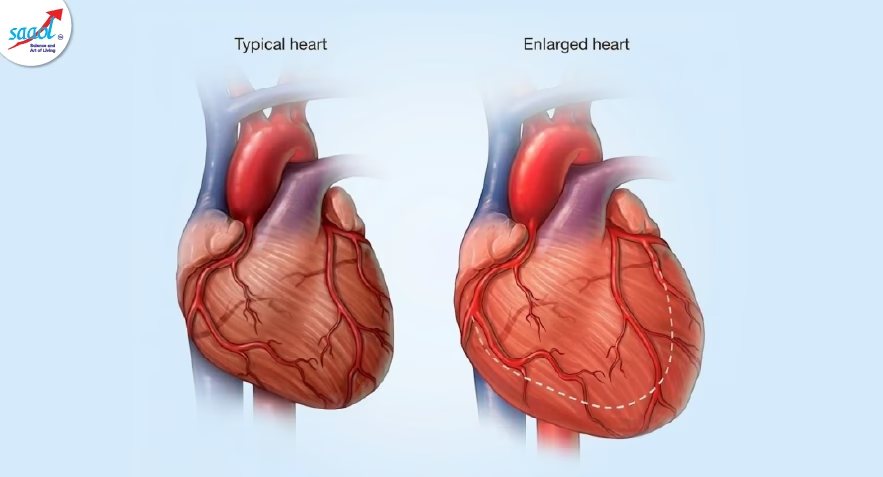
Cardiomegaly is a condition in which the heart becomes larger than its normal size, mainly due to underlying conditions like high blood pressure, coronary artery disease, cardiomyopathy, or valve disease.
Cardiomegaly causes changes in the heart muscle, making it thicker (hypertrophy), stretched (dilation), and gradually weakened.
In cardiomegaly, the heart works harder than normal, which can lead to symptoms like shortness of breath, fatigue, and an irregular heartbeat, even without any physical exertion.
What Happens When the Heart Becomes Enlarged?
An enlarged heart, also called cardiomegaly, usually means the heart is under stress or has been damaged. When this happens, the heart cannot pump blood as efficiently as it should, and several problems can begin to appear in the body.
Fluid may start to build up in the body, and blood can sometimes pool inside the heart, increasing the risk of blood clots, stroke, or pulmonary embolism. The heart’s electrical system may also be affected, leading to irregular heartbeats (arrhythmias).
In some cases, the heart valves may start leaking, causing blood to flow backward instead of moving forward properly. In severe situations, this condition can even lead to sudden cardiac arrest.
Because the heart is not pumping effectively, people with cardiomegaly often experience constant fatigue, shortness of breath, and swelling in the legs or feet. These symptoms are the body’s way of signaling that the heart is struggling to keep up.
Why Does the Heart Get Enlarged?
Cardiomegaly happens because of other underlying health conditions. The major causes for cardiomegaly are-
Hypertension (high BP)
High BP makes the heart pump harder. Due to this, the heart muscle can become thicker and eventually lead to enlarged heart symptoms.
Heart Attack
After a heart attack, the remaining healthy muscle compensates by working harder, which can cause an enlarged heart.
Congenital Heart Defects
Some people are born with heart abnormalities, which means the heart is dysfunctional. Cardiomegaly can occur at any phase of their life.
Cardiomyopathy
Cardiomyopathy causes the heart muscle to become thick, stiff, or weak, resulting in symptoms such as fatigue and breathlessness.
Coronary Artery Disease (CAD)
Narrowed or blocked arteries reduce blood flow to the heart, weakening it and causing it to enlarge over time.
Heart Valve Disease
When heart valves don’t function properly, the heart works harder, which might cause a large heart over time.
Arrhythmias (Irregular Heartbeat)
An irregular heartbeat can reduce pumping, contributing to cardiomegaly.
Thyroid Disorders
Both hypothyroidism and hyperthyroidism can put stress on the heart, contributing to a large heart.
Pulmonary Hypertension
High BP in the arteries between the heart and lungs forces the heart (especially the right side) to work harder, leading to heart enlargement in adults.
Other Contributing Factors
Some other factors can also increase the risk of cardiomegaly, like-
Pregnancy: During this time, the heart pumps more blood, which may cause a temporary cardiomegaly.
Infections, Such as myocarditis, can result in a weak heart muscle and cause enlargement.
Lifestyle habits, such as excessive alcohol use or iron overload, can damage the heart over time.
Anemia: Forces the heart to work harder to supply oxygen, leading to enlargement.
Family history: A family history of heart disease can increase the risk.
Because these conditions are common, recognizing early symptoms of cardiomegaly becomes even more important.
The Most Common Enlarged Heart (Cardiomegaly) Symptoms
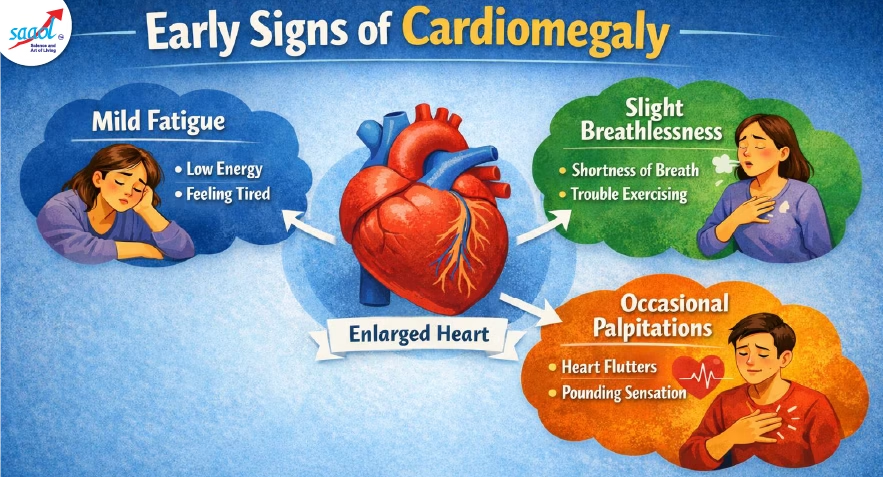
Typically, cardiomegaly symptoms in adults does not surface in the early stages. A doctor usually confirms an enlarged heart using tests like chest X-ray, ECG, or echocardiogram.
But when the symptoms appear, they include:
Chest pain: A feeling of tightness, pressure, or heaviness in the chest, especially during activity or stress.
Heart palpitations: You may feel like your heart is racing, pounding, or skipping beats.
Shortness of breath: Difficulty while breathing, especially while walking, climbing stairs, or even when lying down.
Persistent cough: A long-lasting cough, sometimes worse at night, which may be linked to fluid buildup in the lungs.
Fatigue: Feeling unusually tired or weak, even after doing simple daily activities.
Swelling: Swelling in the legs, ankles, or feet due to fluid buildup in the body.
Dizziness: Feeling lightheaded, unsteady, or as if you might faint.
The two symptoms doctors can recognize during a routine check-up are a lower pulse and abnormal murmurs in the heart.
If you’re experiencing these symptoms, consider getting a heart check-up. Early detection and treatment make a big difference.
Get our expert guidance today and protect your heart before it’s too late.
Book Appointment Call NowIs a Big Heart Always Dangerous? Myth vs. reality
Whether an enlarged heart is serious depends on its cause and how early it is detected.
| Myth | Reality |
|---|---|
| A “big heart” always means a serious heart disease | Not always. An enlarged heart can sometimes be temporary, such as during pregnancy or certain infections. |
| If you feel fine, an enlarged heart isn’t a problem | Cardiomegaly may not cause symptoms early, but it can still indicate an underlying heart condition. |
| An enlarged heart cannot be treated | In many cases, treating the underlying cause like high blood pressure or valve disease can improve heart function. |
| Only older people develop an enlarged heart | Cardiomegaly can occur at any age depending on health conditions or congenital heart problems. |
| Having a big heart always leads to heart failure | Not necessarily. With early diagnosis and proper treatment, many people manage the condition successfully. |
What Puts You at Risk?
Certain health conditions and lifestyle habits can increase your chances of developing an enlarged heart. Understanding the following risk factors can help you take early steps to protect your heart.
| Risk factors | How It Increases Risk |
| High Blood Pressure | Forces the heart to work harder, leading to thickening or enlargement over time |
| Heart Diseases | Conditions like CAD or valve problems weaken the heart |
| Obesity | Extra body weight puts additional strain on the heart |
| Diabetes | Damages blood vessels and increases the risk of heart disease |
| Unhealthy Lifestyle | Smoking, alcohol, poor diet, and inactivity harm heart health |
| Family History | Genetic factors can increase your risk of cardiomegaly |
| Thyroid Disorders | Hormonal imbalance can affect heart function |
| Chronic Stress | Raises blood pressure and puts strain on the heart |
Diagnosis of an Enlarged Heart
Diagnostic tests used to detect Cardiomegaly are-
Chest X-ray: This is the first and easiest step; it shows whether the heart appears enlarged on imaging.
ECG (Electrocardiogram): This checks the heart’s electrical signals for signs of enlargement or strain.
Echocardiogram: This is an ultrasound of the heart that gives a detailed picture of its size and function.
CT Scan: CT Scan provides a more precise, 3D view of the heart’s size and shape.
MRI: This offers the most detailed imaging of the heart muscle, useful in complex cases.
Blood Tests: Blood tests help identify the underlying causes like thyroid disorders, anaemia, or heart failure markers.
Cardiac Catheterisation: This is an invasive test used when doctors need to check blood flow and pressure inside the heart.
Cardiomegaly Treatment Options
The treatment of cardiomegaly depends on the underlying cause and severity of the condition. The following are the treatment options
-
Medications:
- Diuretics – Reduce excess fluid and swelling
- ACE Inhibitors / ARBs – Lower blood pressure and reduce strain on the heart
- Beta-blockers – Slow the heart rate and improve heart function
- Anticoagulants – Prevent blood clots in high-risk patients
- Anti-arrhythmic drugs – Control irregular heart rhythms
Doctors usually prescribe these medications and continue them as long as the condition can be managed without advanced procedures
-
Non-Invasive Therapies
EECP Therapy: (Enhanced External Counterpulsation) It is a non-invasive therapy that can help patients with cardiomegaly by improving blood flow to the heart.
During the treatment, cuffs placed around the legs gently squeeze in rhythm with the heartbeat, pushing more oxygen-rich blood back to the heart. This helps the heart pump more efficiently, reduces strain on the enlarged heart muscle, and improves circulation by creating natural bypass pathways in the blood vessels.
As a result, many patients notice relief from symptoms like breathlessness, fatigue, and chest discomfort, along with better stamina and overall quality of life without the need for surgery.
(Image suggestion: A patient is taking an EECP session)
3. Devices and Procedures:
- Pacemaker (CRT) – Helps coordinate heartbeats and improve pumping efficiency
- Implantable Cardioverter-Defibrillator (ICD) – Prevents life-threatening arrhythmias
- Percutaneous Coronary Intervention (PCI) – Opens blocked arteries using stents
4. Surgical Treatments:
Heart Valve Repair or Replacement – To fix damaged valves
Coronary Artery Bypass (CABG) –To restore blood flow in blocked arteries
Left Ventricular Assist Device (LVAD) – To support the heart’s pumping in heart failure
Heart Transplant – Considered in end-stage cardiomegaly when other treatments fail
5. Essential at Every Stage: Lifestyle Changes
No matter the stage, lifestyle changes play a crucial role in managing cardiomegaly and improving outcomes.
- Follow a low-sodium, heart-healthy diet
- Maintain a healthy weight
- Quit smoking and avoid alcohol
- Stay physically active with doctor-guided exercise
The Bottom Line
In many cases, an enlarged heart develops due to underlying health conditions that may not always be within your control.
However, what is in your control is awareness and timely action because, with early diagnosis, proper treatment, and healthy lifestyle changes, cardiomegaly can often be managed effectively.
At SAAOL Delhi, experts focus on a comprehensive approach that combines non-invasive EECP therapy with heart-healthy lifestyle modifications such as diet management, guided exercise, and stress reduction. This approach helps improve blood flow to the heart, reduce strain on the heart muscle, and support better overall heart function.
If you are experiencing symptoms of cardiomegaly or want to learn how EECP therapy and lifestyle changes can help, consult the experts at SAAOL Heartcare Delhi and get the right guidance for your heart health.
FAqs
Q1. What is big heart disease?
Big heart disease (Cardiomegaly) is when your heart becomes bigger than normal. It is not a disease by itself. It happens due to high blood pressure, heart failure, or some other conditions that make the heart weak, resulting in a big heart disease (cardiomegaly).
Q2. What is borderline cardiomegaly?
When the heart becomes slightly larger and the chambers are mildly dilated, just beyond normal limits, it is often called borderline cardiomegaly. Most people have no symptoms, and the condition is usually discovered incidentally during tests for other health concerns.
Q3. Can an enlarged heart become normal?
An enlarged heart can sometimes return to normal only if the condition is detected early and the underlying cause, like high blood pressure, thyroid or any other health conditions, is treated in a timely manner. But if there is permanent damage, it may not fully reverse; only the heart condition can be improved.
Q4. Can you live a normal life with an enlarged heart?
Yes, you can live a normal life with an enlarged heart if the condition is diagnosed early and managed properly with medication, lifestyle changes, and regular medical care.
Q5. Can stress cause an enlarged heart?
Yes. Chronic stress can increase blood pressure and strain the heart over time, which may contribute to conditions that lead to cardiomegaly.
Disclaimer: This article is for educational purposes and should not replace professional medical advice.