

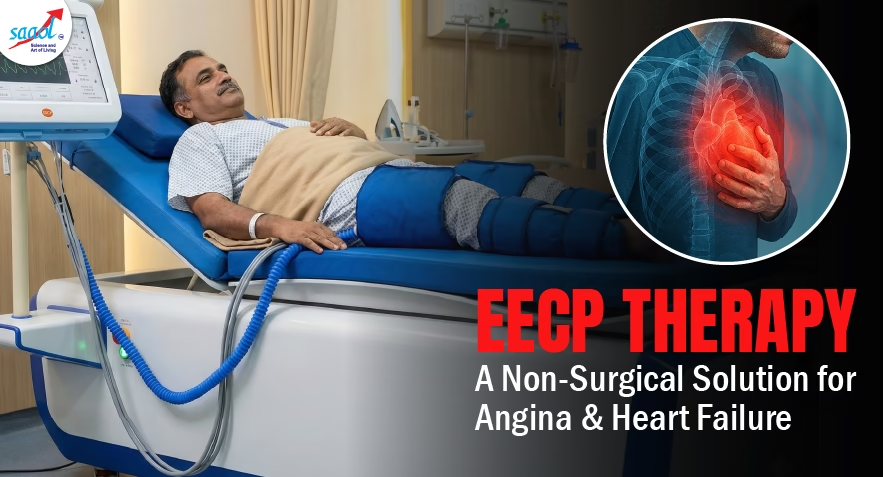
At 62, Mr. Sharma’s life almost stopped. He is a diabetic and was suffering from heart failure. Even walking from the bedroom to the kitchen left him breathless. Doctors did not recommend surgery as he had high blood sugar, and his family was worried about him.
Then, he got to know about EECP and decided to go for it.
No surgery, no hospitalization. Just a few weeks of treatment improved his blood flow. Today, he’s comfortable walking for his regular activity, and his family took a sigh of relief.
Stories like his are the reason more people are now considering EECP for angina and heart failure as a safer, non-surgical way to improve symptoms and daily life.
In this blog, we will explain how EECP works as a “natural bypass” for angina and heart failure. We will also look at how SAAOL, founded by Dr. Bimal Chhajer, has helped over 7 lakh patients avoid surgery and manage heart disease through non-surgical treatment options.
EECP Therapy: An Overview
EECP, Enhanced External Counterpulsation, is a non-surgical treatment that helps the heart pump blood more effectively and improves circulation in the body. It works like an external support system that helps increase oxygen supply to the heart and reduces symptoms of heart diseases like angina and heart failure.
How Does EECP Therapy Work as a Natural Bypass?
This is where things get interesting.
- You lie comfortably on a bed while special cuffs are wrapped around your legs.
- The cuffs inflate and deflate in rhythm with your heartbeat.
- This helps reach more oxygen-rich blood back toward your heart, improving circulation.
- Each session lasts about an hour, and most patients need approximately 40 sessions.
Over time, this process can encourage the development of tiny new blood vessels around blocked arteries, often referred to as a “natural bypass.”
What many patients appreciate most is that the therapy doesn’t involve surgery, injections, or hospital stay. You finish your session and go home the same day.
Traditional Treatment Options for Angina
Angina happens when the heart muscle does not receive enough blood due to a narrowing or blockage in the artery. It often causes chest discomfort, breathlessness, or fatigue during activity.
Angioplasty with stent placement is the most common treatment suggested by doctors for angina, depending on the blockage. In more serious cases and multiple blockages, bypass surgery may be advised.
Understanding Heart Failure and the Treatments Today
Heart failure occurs when the heart becomes too weak to pump blood properly, leading to breathlessness, leg swelling, fatigue, and difficulty with daily activities.
For years, doctors have usually prescribed medicines such as diuretics, beta blockers, and ACE inhibitors, devices such as pacemakers, CRT, and ICDs, and procedures such as angioplasty or bypass, along with lifestyle changes.
Limitations of Angioplasty, Bypass Surgery and Other Heart Treatments
Surgical procedures have been widely accepted by doctors for decades. But there are important points we miss-
- Angioplasty (Stent): A stent helps open the blocked artery but does not stop the disease. New blockages can develop over time. A study published in the National Library of Medicine suggests that 50–60% of patients may face blockage again within 5–10 years.
- Bypass Surgery: Bypass creates a new pathway for blood but does not cure heart disease. Some patients still have symptoms after surgery, and it carries risks like infection, bleeding, or a long recovery.
- Pacemakers and Devices: These help control heart rhythm or support heart function, but since they are electrical devices, they can malfunction, and they do not reverse the underlying disease.
- Medications: Medicines control symptoms but may cause side effects and usually need to be taken long-term. They also do not remove existing blockages.
For these reasons, some patients may experience symptoms even after surgery.
And this is where EECP comes into the picture.
“Many patients come to us thinking surgery is their only option”, says Dr. Vishal Sharma from SAAOL. “But non-invasive therapies like EECP can provide long-term relief.
How EECP Helps Relieve Chest Pain in Angina Patients?
EECP for Angina helps your heart receive more blood and oxygen without any surgery. When gentle pressure is applied to your legs in rhythm with your heartbeat, this helps push more blood back to the heart so it can work better.
Over time, the body may also develop tiny new blood vessels around blocked areas, which improves circulation naturally. As a result, many patients experience less chest pain and feel more comfortable doing everyday activities like walking or climbing stairs.
EECP provides long-term relief without going under the knife. That’s why EECP for Angina is often helpful for people who still have symptoms despite medicines or want a non-invasive treatment option.
How Does EECP Work for Heart Failure?
Enhanced External Counterpulsation therapy helps by improving blood circulation and reducing the workload on the weak heart at the same time.
EECP also improves oxygen supply to the body. Because the heart doesn’t have to work as hard, many patients feel less breathless, less tired, and more energetic over time.
That’s why EECP can be a useful supportive therapy for people living with heart failure.
Take the first step toward better heart health. Schedule your EECP consultation with SAAOL Heartcare today
Book Appointment Call NowAdditional Health Benefits Patients Often Experience with EECP
Apart from helping the heart, many patients also notice improvements in their overall well-being after EECP therapy, such as:
- Better energy and stamina
- Less leg swelling
- Better control of pre-existing diseases
- Improved confidence and quality of life
- Promotes good sleep
- Enhances exercise capacity
Can EECP Alone Prevent Angina and Heart Failure?
The main causes of angina and heart failure are usually blocked arteries, weaken heart, high cholesterol, diabetes, high blood pressure, smoking, an unhealthy diet, stress, and lack of physical activity. If these risk factors are not controlled, the disease can continue to progress over time.
EECP works best as part of a broader heart care plan, along with healthy lifestyle habits and proper medical guidance.
Diet, Detox, and Lifestyle Management: The Missing Piece
While EECP improves symptoms, lifestyle management corrects the root causes. Here’s how-
- Heart-healthy diet: Low-fat, high-fiber foods, less salt and sugar help reduce cholesterol and control diabetes.
- Avoid tobacco: Reduce strain on the heart.
- Physical activity: Walking, yoga, and breathing exercises improve circulation and stamina.
- Stress management: Relaxation and meditation help lower blood pressure.
This is where structured care at SAAOL Heartcare Delhi is making a difference, combined with lifestyle-based therapies, and helping patients live better long-term.
- Detox Therapy: Helps reduce harmful toxins and supports better blood circulation naturally.
- Zero-oil, plant-based diet: Expert-guided meals to lower cholesterol, prevent new blockages, and maintain a healthy weight.
- Lifestyle and stress management: Simple yoga, breathing, and relaxation techniques to reduce stress and protect the heart.
- Medicine Optimization: Adjusting the medicines you are already taking to support long-term heart health.
Is EECP Right for You?
Here’s a simple table comparing EECP with other surgical procedures based on patient convenience.
| Feature | EECP Therapy | Stent / Angioplasty | Bypass Surgery |
|---|---|---|---|
| Non-invasive | Yes | No | No |
| Hospital stay required | No | Yes | Yes |
| Recovery time | Immediate (resume routine same day) | Few days | Few weeks |
| Risk level | Minimal | Moderate | Higher |
| Suitable for elderly or high-risk patients | Yes | Limited | Limited |
How Safe Is EECP?
- EECP is FDA-approved for the treatment of chronic stable angina and has been used worldwide for over 30 years, including more than 200 well-documented studies.
- Studies published in the Journal of the American College of Cardiology (2002) say that around 70–80% of patients with angina experience significant symptom improvement after EECP treatment.
- The PEECH trial also found that patients had about a 35% improvement in their exercise capacity.
- A study published in the National Library of Medicine says that 83% of high-risk patients remained stable two years after EECP treatment.
- Since there are no cuts, injections, or anesthesia, the risks are much lower compared to invasive procedures.
- No hospital stay or recovery time needed.
- The treatment is done under medical supervision
- Safe for elderly patients
The Bottom Line
Not long ago, surgery was often considered the only solution for severe heart symptoms. Today, patients have more choices and that can be reassuring. Therapies like EECP for Angina and EECP for Heart Failure offer new hope, especially for those who are not suitable for procedures or prefer safer alternatives.
SAAOL has 30+ years of expertise in successfully treating more than 6 lac patients with their comprehensive EECP Therapy across India.
If you and your loved ones are dealing with ongoing symptoms, book an appointment with our heart health experts at SAAOL Heartcare Delhi today. Consulting experts early can help you choose the right path forward.
FAQs
Q1. Is EECP safe for elderly heart patients?
Yes, EECP is safe for elderly heart patients because their heart is often weak and they may not tolerate surgical procedures well. Many older adults also have other health conditions (like diabetes or kidney problems), which can increase surgery risks, so a non-invasive treatment like EECP is often safer. It is always advisable to consult for a better understanding.
Q2. How many EECP sessions are needed for angina relief?
Most patients need about 35 to 40 EECP sessions for angina relief. Each session lasts around one hour. The exact number may vary depending on the patient’s condition and the doctor’s advice.
Q3. Can EECP help me avoid bypass surgery or a stent?
In some cases, yes. Especially if your condition is stable and you’re not a good candidate for surgery. EECP is a non-surgical option that can reduce symptoms and improve blood flow, but the right treatment depends on your heart condition, so a doctor’s evaluation is important.
Q4. Can I get EECP treatment from SAAOL in my city?
Yes, SAAOL Heartcare has 135+ centers across India, including Delhi NCR, Mumbai, Hyderabad, Pune, Ahmedabad, and more. You can choose a nearby location based on your convenience.
Q5. Is EECP useful after bypass surgery or stent placement?
Yes, EECP can still help even if you’ve had a bypass or stent. Sometimes symptoms come back over time. EECP improves blood flow to the heart and helps the body develop small new pathways around blocked areas and reduce symptoms in the long run.
Q6. What makes SAAOL’s EECP program different?
SAAOL combines EECP therapy with lifestyle-based care like diet guidance, yoga, stress management, and medical supervision. This approach is important because improving blood flow alone is not enough. Correcting the root causes of heart disease helps achieve better and longer-lasting results.